


Climate disasters hit poor regions particularly hard
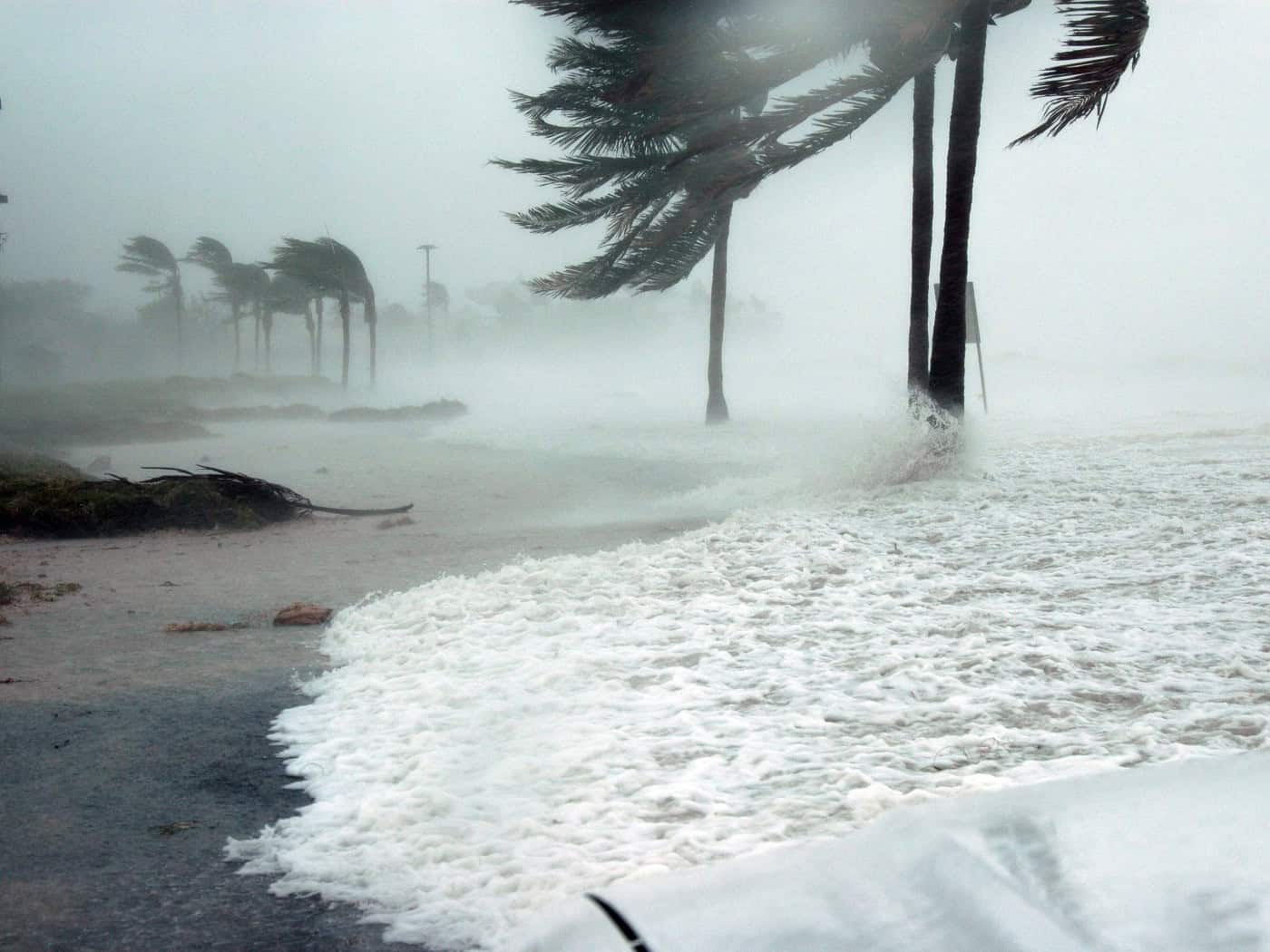
A devastating storm hits two regions with equal intensity. In one, few people die. In the other, many die. Why? The answer lies not solely in the occurrence of such climate disasters.
Researchers at the University of Leipzig analyzed more than 7,000 climate disasters between 1990 and 2020. According to the study, whether people survive a flood or a hurricane depends not only on the severity of the event, but also on how good the living conditions are in their region.
Living conditions play an important role
The study uses the Human Development Index as a benchmark. This index takes into account factors such as education, health, and income. The analysis reveals significant differences. In the case of storms, the risk of death in regions with a low level of development is more than eight times higher than in regions with a very high level of development. In the case of floods, it is three times higher.
“Our results show that the risk posed to people by climate disasters does not depend solely on the severity of the hazard itself. It also depends on who is exposed to it and the socioeconomic conditions under which these people live,” says Khalil Teber, lead author and researcher at the Institute for Earth System Sciences and Remote Sensing at the University of Leipzig.
The researchers examined not only entire countries but also individual regions within those countries. This allowed them to highlight differences that are often hidden in national averages. It became apparent that even in countries like India or China, where people live determines how severely a climate disaster affects them. People living in regions that fare worse than the national average are particularly at risk.
What Needs to Be Done Now
In many parts of the world, vulnerability has decreased in less developed regions over the past decades because living conditions have improved. Investments in education, infrastructure, and disaster preparedness can significantly reduce the consequences of extreme events.
“According to forecasts, climate hazards will continue to intensify in many parts of the world,” says Prof. Dr. Melanie Krause, who contributed to the study from a socioeconomic perspective. “However, their humanitarian consequences are not entirely predetermined. Investments in human development, infrastructure, and preparedness in general can save lives.”
According to the researchers, it is important to know more precisely which regions are particularly at risk from climate-related disasters. This could help better protect people from the consequences of extreme weather. The Leipzig Institute for Meteorology, the Faculty of Economics, and the Helmholtz Centre for Environmental Research (UFZ) also participated in the study.
Original publication:
Teber, K., Sippel, S., Krause, M., et al. Inequality in human development amplifies climate-related disaster risk. Nat Commun 17, 5067 (2026).

