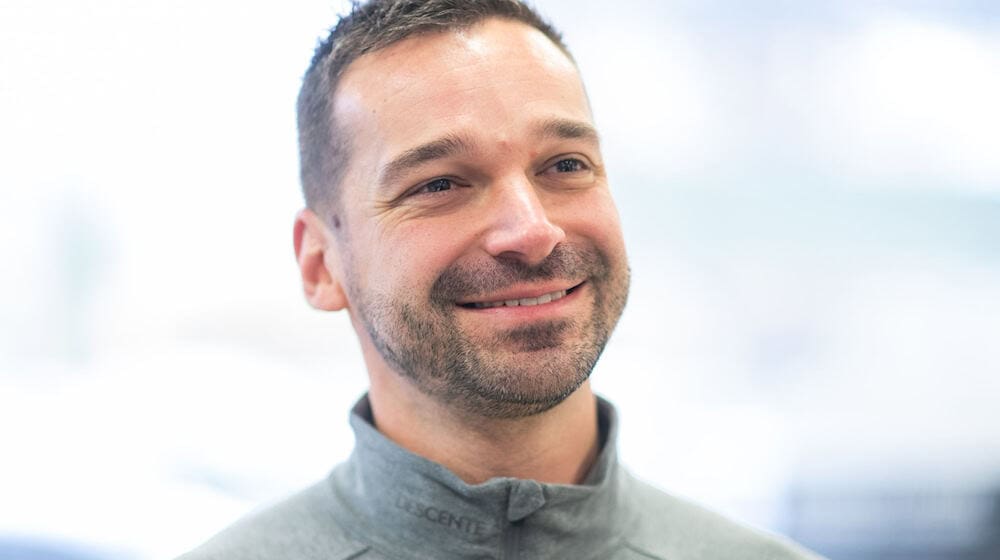
Not only the German athletes are hoping for success at the Olympic and Paralympic Games in Milan and Cortina, the performance of the athletes will also be a yardstick for two scientific institutes. "The Winter Games are a reason to be very successful. We want to maintain our leading position in winter sports," said Michael Nitsch, Director of the Institute for Research and Development of Sports Equipment (FES) 16 days before the opening ceremony. Together with the Institute for Applied Training Science (IAT), the athletes should be able to tackle the major event with the best possible equipment. Five Olympic sports federations in nine sports and, for the first time, a para-federation will receive support from the facilities based in Berlin and Leipzig. While the IAT aims to create competitive advantages for German athletes and coaches, the just over 100 employees at the FES are contributing the respective optimized sports equipment in Treptow-Köpenick - for the Winter Games from bobsleighs to sleds for luge or skeleton, suits and runners for speed skaters or seat shells for para-skiing. "It is very important for me to have the FES at my side. They are dominators, which is also due to the material and the FES team," said Olympic bobsleigh champion Lisa Buckwitz, who received her own sled from the FES. The athletes are not only provided with material and training plans, the engineers are also on the track during the competitions and can make changes. During the Olympic cycle, work was carried out on the training content and sports equipment. This means that the skeleton athletes at the Olympics will "in the best case be new from head to toe", said national coach Christian Baude. New sleds will be tested before the Games, but will then be used for the first time in the Olympic races. A tactic that already worked at the Olympic Games in Beijing. Two gold medals and one silver were the result in the two competitions. Gloomy clouds are also looming for the medal winners due to uncertain funding amounts from the German government, which according to Nitsch would result in cuts in performance and personnel: "Then the number of medals will continue to fall." Nitsch, who has headed the FES for seven years, believes that elite sport in particular makes an important contribution to society. "High-performance sport is a catalyst for society. The experience of top sporting performance leads people to put on their sneakers," says the Institute Director, referring to the role model function of German medal winners, who can be used as idols in competition with social media: "Young people should do sport and not spend their time in front of monitors. We can create a sense of achievement for people." Copyright 2026, dpa (www.dpa.de). All rights reservedMore than 100 employees at the institute and on the course
New sleds for the skeleton athletes
High-performance sport catalyst for society