


Upper Lusatian heath and pond landscape grows
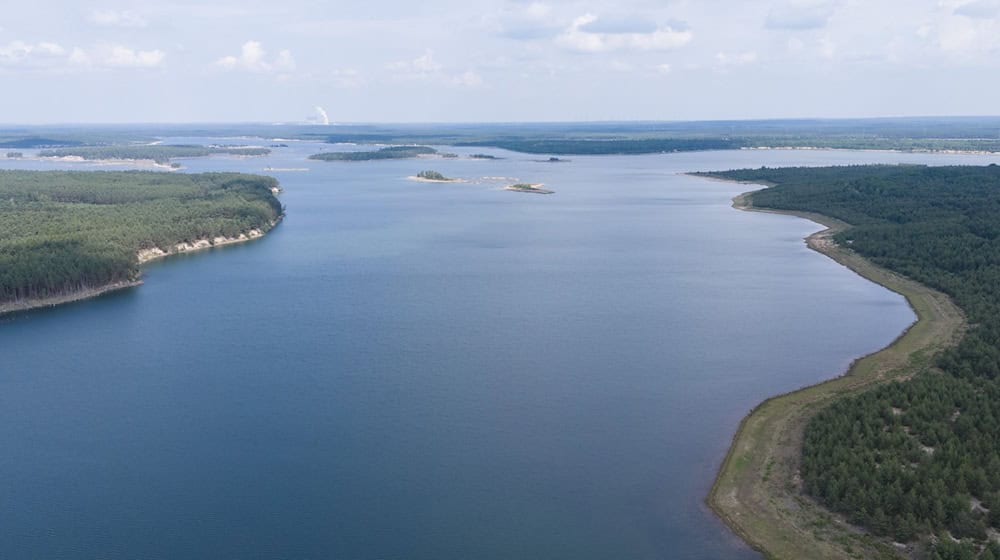
Saxony's only biosphere reserve, the Upper Lusatian Heath and Pond Landscape, is growing by around 2,300 hectares. This was decided by the Ministry of the Environment on February 16, according to a press release. The expansion includes areas in the six municipalities of Hohendubrau, Königswartha, Kreba-Neudorf, Lohsa, Malschwitz and Spreetal. The respective municipal councils approved the revision of the corresponding ordinance. "The expansion of this unique cultural landscape is a great success - for nature and for the people who live, work or seek recreation here," said Environment Minister Georg-Ludwig von Breitenbuch (CDU) according to the press release. The added areas in the post-mining landscape would strengthen the unique selling point of the reserve. The Upper Lusatian Heath and Pond Landscape now covers a good 32,000 hectares, which is also Saxony's largest bird sanctuary. The area is characterized by the alternation of wide floodplains and lowlands of the rivers with dry dunes and extensive pine forests. According to reports, carp ponds were created here as early as the Middle Ages. To the north, the area includes the landscape of the former open-cast lignite mines with the Lohsa II reservoir and the spoil tips near Bärwalde. It has been a recognized UNESCO biosphere reserve since 1996. The area is divided into three protection zones: the core zone (around 1,800 hectares) and the maintenance zone (around 13,900 hectares), in which nature conservation is the focus, as well as the development zone (around 16,700 hectares), which serves to shape the typical villages and agricultural landscape, but also to regenerate the land. Copyright 2026, dpa (www.dpa.de). All rights reservedBiosphere reserve now covers 32,000 hectares

