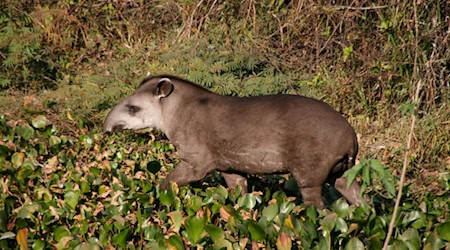
A new road cuts through the habitat of endangered tapirs. Will the population survive? Researchers from CASUS in Görlitz have developed a new model with Brazilian colleagues that can answer such questions. For the first time, it links the movement patterns of individual animals with the dynamics of entire populations - an important step for species conservation. | more
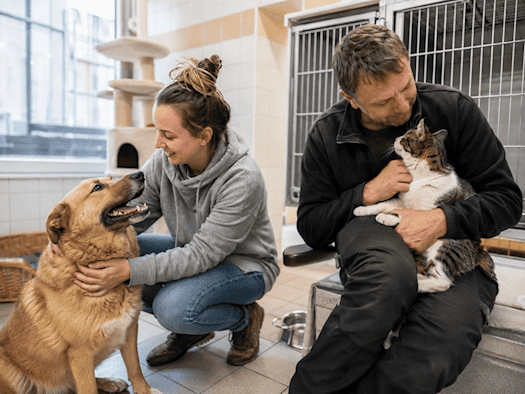
Do animals have feelings? Do they think like us? Researchers from Leipzig University and the Max Planck Institute for Evolutionary Anthropology surveyed over 1,000 children and adults from 15 countries. The surprising result shows that people around the world think similarly about animals. But this view has direct consequences for animal welfare. | more
Gute Nachrichten tun gut. In unserem freitäglichen Good Newsletter bündeln wir die Geschichten, die Mut machen, inspirieren und zeigen, was in Sachsen vorangeht. Jetzt abonnieren und positive Nachrichten direkt ins Postfach bekommen. | more
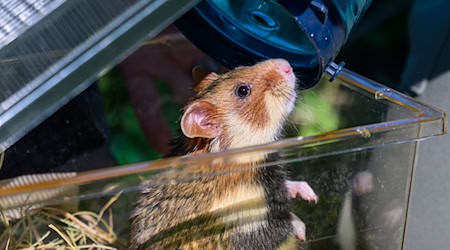
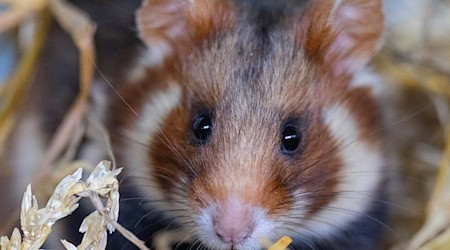
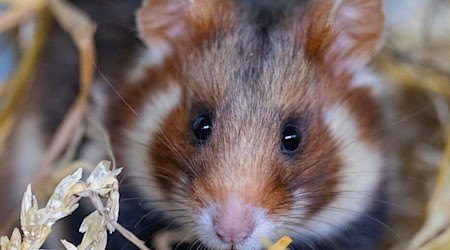
More than 40 field hamsters bred in Leipzig were nursed back to health in Halle and have now been released into the wild in northern Saxony. The project is thus entering a new round - and aims to save a species that has almost disappeared. | more
The next round of reintroductions for the endangered field hamster is underway in Saxony. The aim is to maintain stable populations - and to benefit the entire cultural landscape. | more
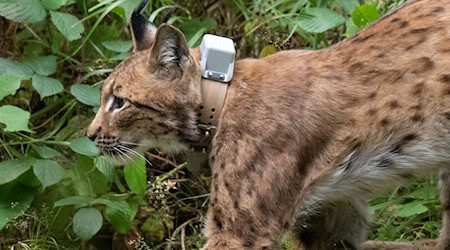
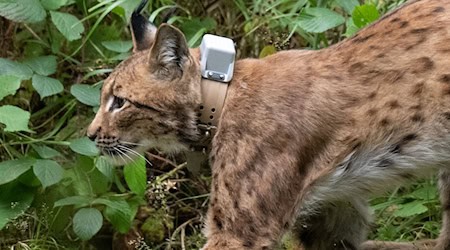
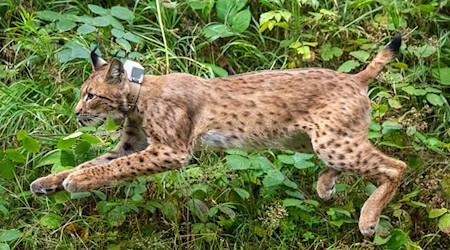
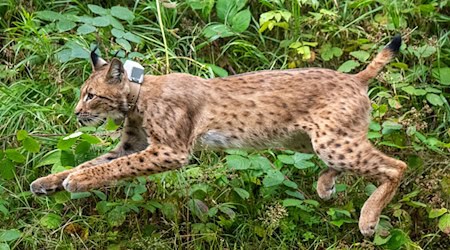
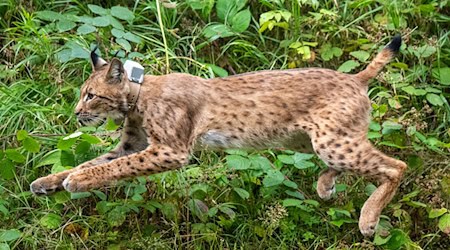
After a female lynx was released into the wild, an infection with a potentially fatal virus was detected. Alva was to be captured for a check-up - but now she is being left alone. | more
Die Ostsächsischen Maschinenbautage widmen sich am 28. und 29. Oktober dem Thema „Robotik im Maschinenbau“ und zeigen, wie Automatisierung und Nachhaltigkeit für kleine und mittlere Unternehmen zusammengehen. Nutzen Sie Kolloquium, Kooperationsbörse und Unternehmensbesichtigungen, um wertvolle Kontakte zu knüpfen und die grüne Zukunft des Grenzraums mitzugestalten. | more
It was only after the female lynx was released into the wild that an infection with the virus, which is fatal in the worst case, was detected. Now a health check is to clarify her infection status. Time is of the essence. | more
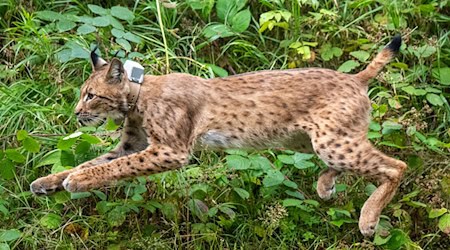
Anton the lynx, who was released into the wild in the Westerzgebirge at the end of August, is dead. He was probably hit by a truck. | more
Schon wieder zu viel gegessen oder eine wichtige Aufgabe aufgeschoben? Oft reagieren wir auf solche Verhaltensweisen mit Selbstkritik. Doch damit bekämpfen wir meist nur das sichtbare Symptom – und übersehen, was wir in diesem Moment wirklich brauchen. | more
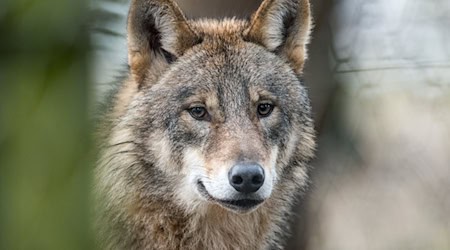
The protection status of wolves has been a contentious issue within the Saxon coalition over the past five years. This has not changed in the home straight. | more
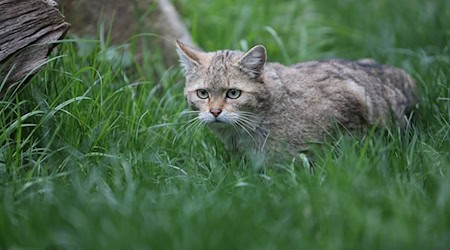
The European wildcat was long thought to be extinct in Saxony. The fascinating animals are now reappearing in several regions. It is now hoped that the population will increase. | more
In jedem Verein, in jeder Straße, in jedem Treppenhaus gibt es diesen einen Menschen, der einfach da ist – ohne Bezahlung, ohne Applaus, oft ohne ein einziges Dankeschön. DIE SACHSEN NEWS startet eine neue Serie und sucht genau diese Menschen: Sachsens Alltagshelden. Und die Chancen stehen gut, dass Sie selbst schon eine oder einen kennen. | more
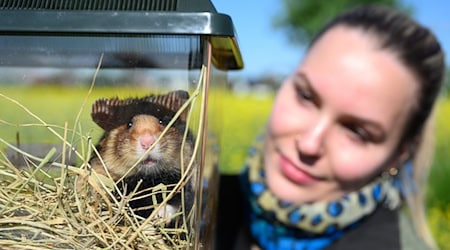
Field hamsters have been virtually undetectable in Saxony since 2020. A breeding program is underway at Leipzig Zoo. | more
Anton the lynx was released into the wild near Eibenstock at the end of August. Now he has attacked two goats. | more
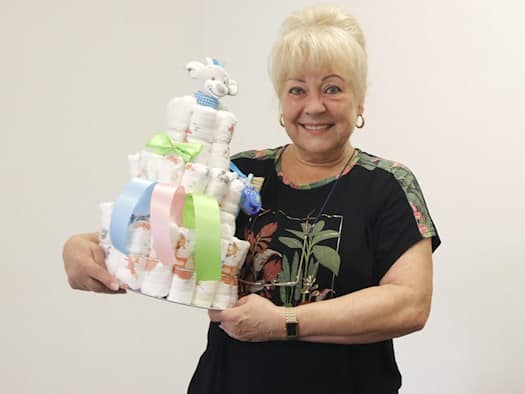
In Dresden-Pieschen fertigt Andrea Rehn im Zentralwerk personalisierte Geschenke für frischgebackene Eltern und deren Familien. Besonders gefragt sind bestickte Windeln mit Geburtsdaten sowie kreative Windeltorten – und das nicht nur online, sondern auch deutschlandweit über DM-Märkte. Jetzt gibt es 10 Prozent Rabatt im Shop. | more
All beginnings are difficult. This also applies to Anton the lynx, who has now been released into the wild near Eibenstock. He spends most of his time where he was released from his transport box into the wild. | more
Saxony has been reintroducing lynx this year. Two males and two females are already living in the western Ore Mountains. With Anton, there are now reinforcements in the forest near Eibenstock. | more
Zahnbehandlungen können in Deutschland schnell zur finanziellen Belastung werden. Besonders bei Implantaten, Kronen, Brücken oder umfangreichem Zahnersatz liegen die Kosten häufig im vierstelligen Bereich. Viele Patienten stehen dann vor einer schwierigen Entscheidung: Behandlung durchführen lassen und hohe Eigenanteile zahlen – oder den Eingriff aufschieben, obwohl er medizinisch sinnvoll wäre. | more
Field hamsters have been released into the wild as part of a species conservation project and offspring have now been spotted for the first time. | more
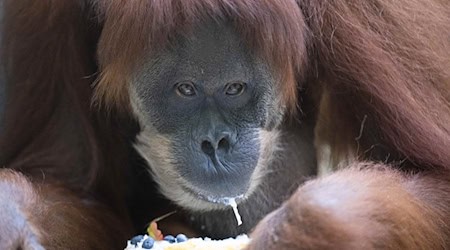
The new orangutan house at Dresden Zoo, the largest investment in the zoo's history, was opened on Tuesday. | more
Gute Nachrichten tun gut. In unserem freitäglichen Good Newsletter bündeln wir die Geschichten, die Mut machen, inspirieren und zeigen, was in Sachsen vorangeht. Jetzt abonnieren und positive Nachrichten direkt ins Postfach bekommen. | more
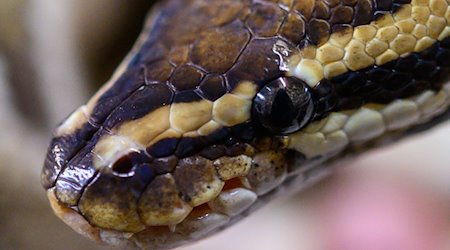
Worrying number of amphibians and reptiles at Nabu's species conservation center in Leiferde. | more
One year after a piece of forest near Ottendorf-Okrilla was cleared for gravel extraction, Left Party politician Antonia Mertsching has accused the authorities of serious negligence. | more
Die Ostsächsischen Maschinenbautage widmen sich am 28. und 29. Oktober dem Thema „Robotik im Maschinenbau“ und zeigen, wie Automatisierung und Nachhaltigkeit für kleine und mittlere Unternehmen zusammengehen. Nutzen Sie Kolloquium, Kooperationsbörse und Unternehmensbesichtigungen, um wertvolle Kontakte zu knüpfen und die grüne Zukunft des Grenzraums mitzugestalten. | more
The German Federation for the Environment and Nature Conservation (BUND) wants to better combine rainwater retention with species protection | more