

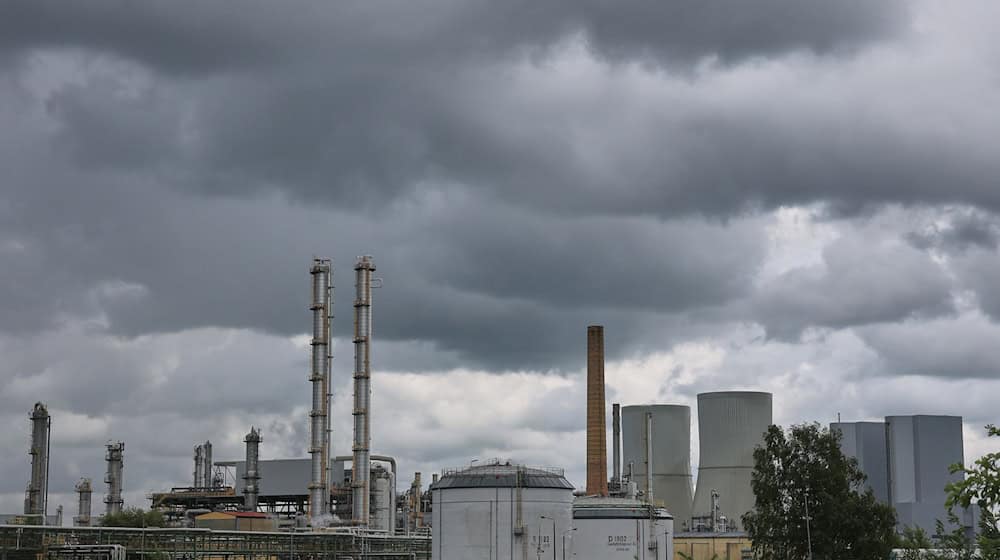
Ahead of the "East German Chemical Summit" in Böhlen near Leipzig, the Greens in Saxony and Saxony-Anhalt have called both companies and governments to account. The East German chemical industry has been under pressure for some time. According to the IG BCE trade union, around 63,000 people work in the chemical-pharmaceutical industry in eastern Germany. However, only 70 percent of capacity is utilized. A few months ago, the US company Dow Chemical announced that some of its plants in Schkopau (Saxony-Anhalt) and Böhlen (Saxony) are to be closed at the end of 2027. In the run-up to the summit, the Green parliamentary groups in the state parliaments of Saxony and Saxony-Anhalt are calling on Dow to live up to its responsibility for the site and facilitate a transitional solution. In addition, the state and federal governments should increase pressure on the company and introduce location and investment obligations. "Anyone who wants to benefit from public subsidies and favourable framework conditions must not simply shirk their responsibility in the chemical triangle," emphasized Susan Sziborra-Seidlitz, Chairwoman of the Green Party in Saxony-Anhalt. The economic policy spokesman for the Green Party parliamentary group in Saxony, Wolfram Günther, criticized the fact that quick settlement successes counted more than sustainable industrial strength. "As a result, the states lost all negotiating power in the long term. Now Dow is focusing on market consolidation at the expense of the location and all we are seeing from the Union is a shrug of the shoulders." At the "Chemical Summit East Germany" on Monday, employers' associations and trade unions also want to present five core demands to the federal government in order to preserve the chemical locations and secure jobs in the industry. The demands include strengthening value chains, a competitive energy supply, a pragmatic climate policy and a systematic reduction in bureaucracy. Copyright 2025, dpa (www.dpa.de). All rights reservedGreens: companies must live up to their responsibilities
Five demands to the federal government


