Flyers, stickers, and appearances at demonstrations: “Hochland Jugend” is building a network within the far-right scene. What findings has the Office for the Protection of the Constitution uncovered? | more
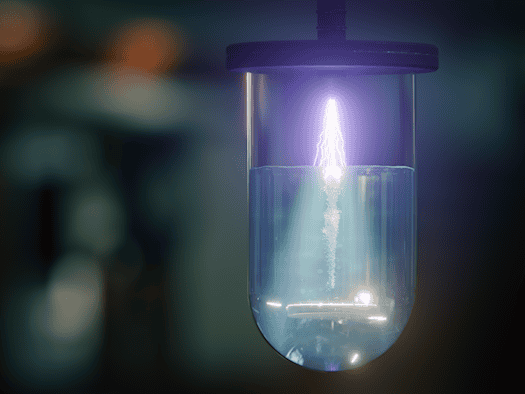
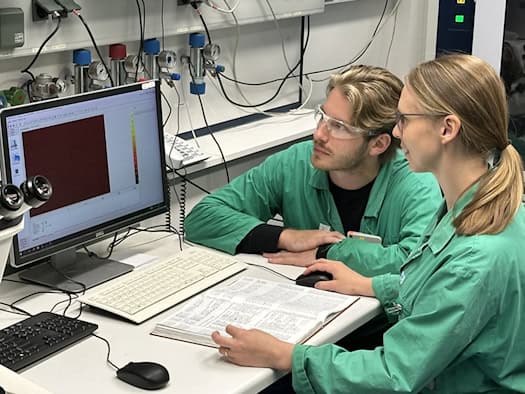
PFAS are considered one of the greatest environmental problems of our time. Researchers at the Helmholtz Center Dresden-Rossendorf have now developed two methods for breaking down these "forever chemicals" in the laboratory. | more
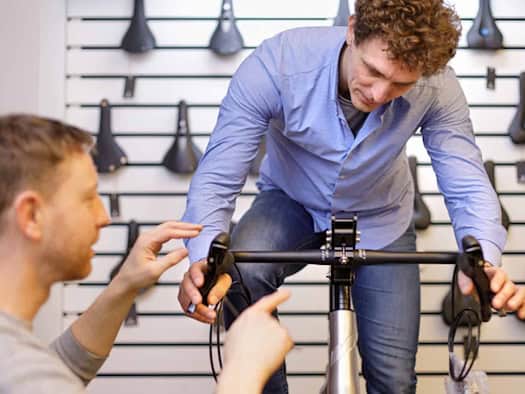
Der Sattel drückt, die Hände schlafen ein oder nach längeren Touren schmerzen Nacken und Rücken? Nicht immer ist das Fahrrad selbst das Problem. Oft passt es einfach nicht optimal zum Fahrer. Im Ergonomielabor von Meißner Raeder in Dresden wird deshalb das eigene Rad genau unter die Lupe genommen. Gemeinsam mit dem Physiotherapeuten und Mitinhaber Martin Raeder werden Sitzposition, Sattel, Lenker und Griffe individuell angepasst. | more
Private chats in the EU may soon be subject to screening for signs of child abuse again. Saxony's interior minister sees this as an important tool for investigators. | more
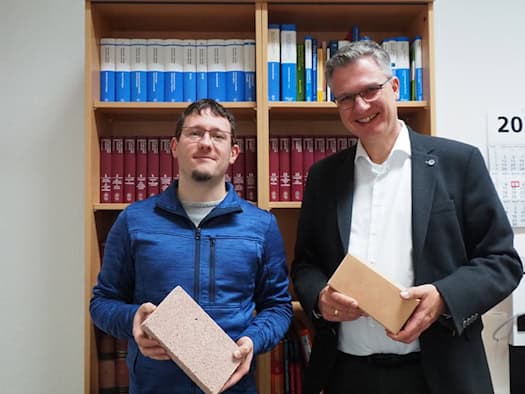
Turning brick rubble and mining waste into a building material that insulates, does not burn and can be recycled again and again. Researchers at TU Bergakademie Freiberg have done exactly that. Their manufacturing process has now been granted a European patent. | more
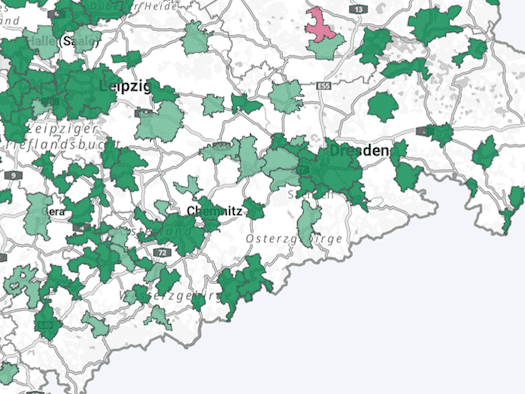
Which city has too little greenery, too much concrete, or too few places to cool down during a heatwave? A new online tool developed by the Leibniz Institute of Ecological Urban and Regional Development (IÖR) in Dresden makes these differences visible and helps cities identify where action is needed. | more
Gute Nachrichten tun gut. In unserem freitäglichen Good Newsletter bündeln wir die Geschichten, die Mut machen, inspirieren und zeigen, was in Sachsen vorangeht. Jetzt abonnieren und positive Nachrichten direkt ins Postfach bekommen. | more
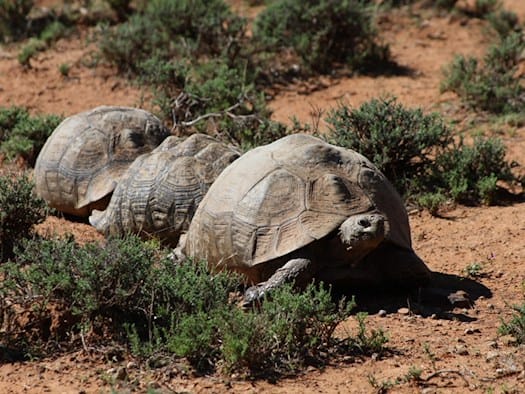
Panther tortoises are often poached in South Africa, and when they are rescued, their origins are usually unclear. A Dresden researcher is using DNA to track illegal wildlife trade – and help 27 animals return to the wild. | more
Flying without kerosene – is that possible? In Kamenz, TU Dresden is testing how climate-friendly propulsion systems perform in real flight. A new research aircraft aims to bridge the gap between lab experiments and real-world use. | more
In jedem Verein, in jeder Straße, in jedem Treppenhaus gibt es diesen einen Menschen, der einfach da ist – ohne Bezahlung, ohne Applaus, oft ohne ein einziges Dankeschön. DIE SACHSEN NEWS startet eine neue Serie und sucht genau diese Menschen: Sachsens Alltagshelden. Und die Chancen stehen gut, dass Sie selbst schon eine oder einen kennen. | more
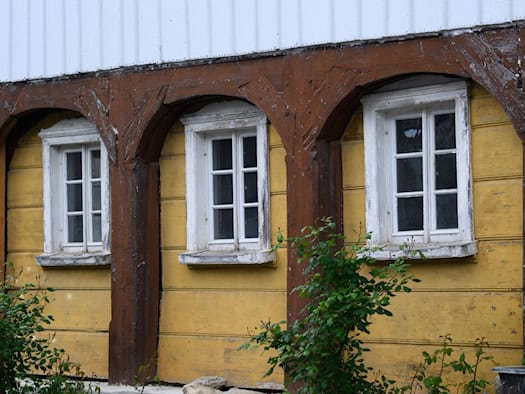
Monuments in Saxony can continue to count on support from the German Foundation for Monument Protection. This year, an old half-timbered house in Sohland is also being supported. | more
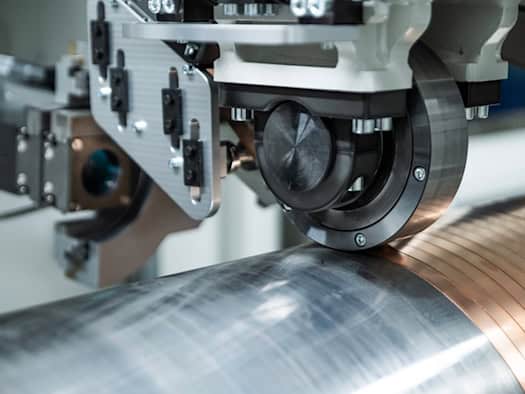
An excavator that lasts longer. A factory that uses less energy. Researchers at Fraunhofer IWS in Dresden have developed a solution for exactly that. With a new laser direct cladding process, they can protect metal parts from wear more effectively than before – while reducing energy consumption by up to 90 percent. | more
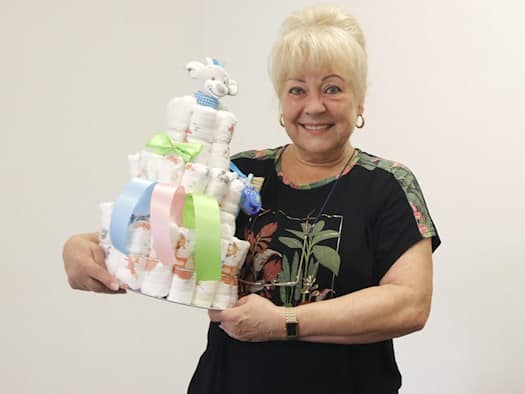
In Dresden-Pieschen fertigt Andrea Rehn im Zentralwerk personalisierte Geschenke für frischgebackene Eltern und deren Familien. Besonders gefragt sind bestickte Windeln mit Geburtsdaten sowie kreative Windeltorten – und das nicht nur online, sondern auch deutschlandweit über DM-Märkte. Jetzt gibt es 10 Prozent Rabatt im Shop. | more
Data protection is becoming increasingly important to citizens, says the Saxon data protection officer. This is reflected in the complaints and consultations. AI also plays a role in this. | more
If radioactive substances enter the body, it can quickly become a medical emergency. Yet only very few drugs exist worldwide to treat such contamination. A doctoral researcher from Dresden is developing new compounds designed to remove radioactive elements from the body. He has now been awarded an international scholarship for his work. | more
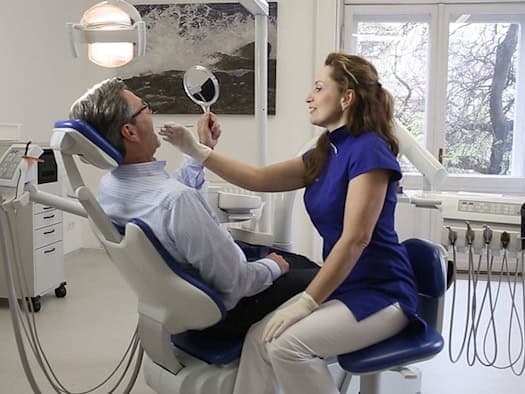
Zahnbehandlungen können in Deutschland schnell zur finanziellen Belastung werden. Besonders bei Implantaten, Kronen, Brücken oder umfangreichem Zahnersatz liegen die Kosten häufig im vierstelligen Bereich. Viele Patienten stehen dann vor einer schwierigen Entscheidung: Behandlung durchführen lassen und hohe Eigenanteile zahlen – oder den Eingriff aufschieben, obwohl er medizinisch sinnvoll wäre. | more
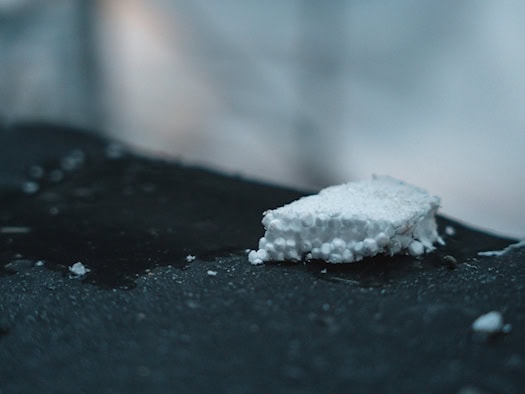
Styrofoam is used for packaging or in insulating materials. The starting product for this is styrene. This in turn is volatile, toxic and difficult to detect. Researchers at TU Bergakademie Freiberg are now developing a biosensor that makes the pollutant visible by changing color - cheaply, quickly and precisely. | more
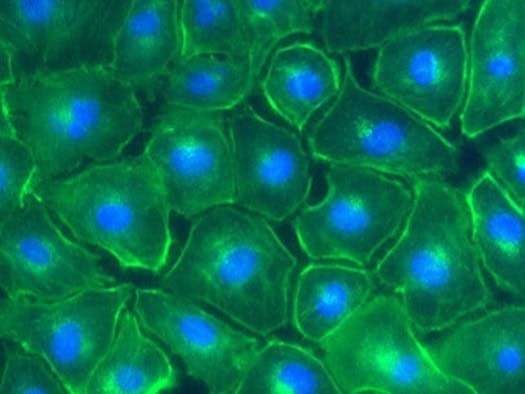
Radioactive substances such as americium can enter the human body in accidents and accumulate in the kidneys. Researchers at TU Dresden and the Helmholtz-Zentrum Dresden-Rossendorf have now for the first time systematically investigated what exactly this does there and how to get rid of the dangerous intruders. Their findings could improve treatment after radiation accidents. | more
Der Sattel drückt, die Hände schlafen ein oder nach längeren Touren schmerzen Nacken und Rücken? Nicht immer ist das Fahrrad selbst das Problem. Oft passt es einfach nicht optimal zum Fahrer. Im Ergonomielabor von Meißner Raeder in Dresden wird deshalb das eigene Rad genau unter die Lupe genommen. Gemeinsam mit dem Physiotherapeuten und Mitinhaber Martin Raeder werden Sitzposition, Sattel, Lenker und Griffe individuell angepasst. | more
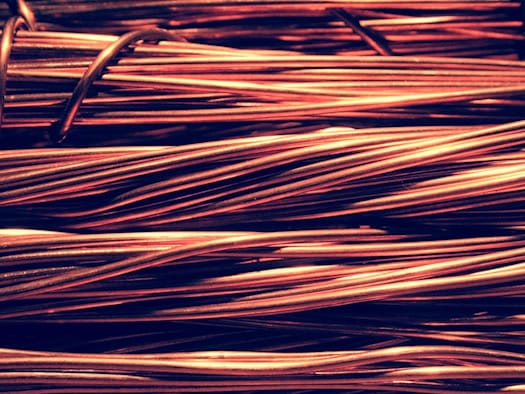
Extracting copper from waste - with the help of bacteria and electron beams. What sounds like a crazy idea is reality. The Fraunhofer FEP in Dresden is running a new plant that combines the two. The yield increases, the waste shrinks. A look at a technology that could change the supply of raw materials. | more
Perpetual chemicals, PFAS for short, can be found in raincoats, pans and every chip. Researchers at Fraunhofer ENAS in Chemnitz are working with European partners to ban these toxic substances from chip production. Their new process could make the semiconductor industry cleaner, more energy-efficient and healthier. | more
Gute Nachrichten tun gut. In unserem freitäglichen Good Newsletter bündeln wir die Geschichten, die Mut machen, inspirieren und zeigen, was in Sachsen vorangeht. Jetzt abonnieren und positive Nachrichten direkt ins Postfach bekommen. | more
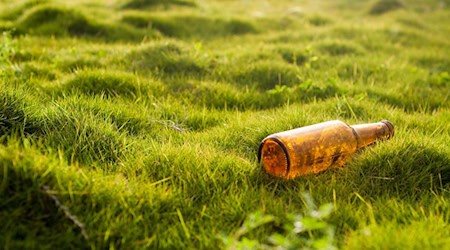
Brown bottles protect beer and medicines from light, but their production has a negative impact on the climate. A team from TU Bergakademie Freiberg has proven in the laboratory that amber glass can also be produced using electricity instead of natural gas. 86 percent less CO₂ would be possible. How this works and what the trick is with the "cold lid" on the red-hot melt. | more
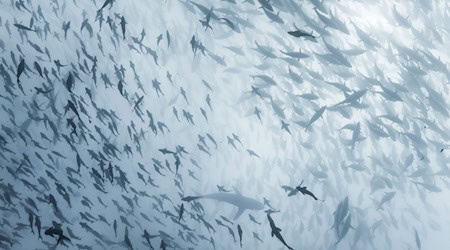
Large predatory fish are becoming rarer, while smaller species dominate. This has consequences for entire ecosystems. Researchers at iDiv Leipzig have analyzed data from almost 15,000 fish communities over decades. Their findings: food webs in oceans and rivers are changing worldwide, even where the number of species remains the same. Why this can pose a threat to bodies of water and what scientists are now calling for. | more
In jedem Verein, in jeder Straße, in jedem Treppenhaus gibt es diesen einen Menschen, der einfach da ist – ohne Bezahlung, ohne Applaus, oft ohne ein einziges Dankeschön. DIE SACHSEN NEWS startet eine neue Serie und sucht genau diese Menschen: Sachsens Alltagshelden. Und die Chancen stehen gut, dass Sie selbst schon eine oder einen kennen. | more
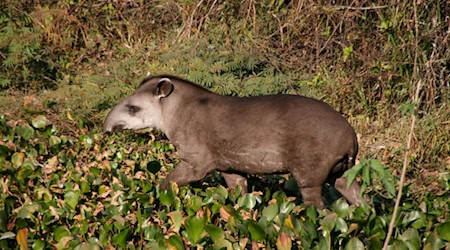
A new road cuts through the habitat of endangered tapirs. Will the population survive? Researchers from CASUS in Görlitz have developed a new model with Brazilian colleagues that can answer such questions. For the first time, it links the movement patterns of individual animals with the dynamics of entire populations - an important step for species conservation. | more
Do animals have feelings? Do they think like us? Researchers from Leipzig University and the Max Planck Institute for Evolutionary Anthropology surveyed over 1,000 children and adults from 15 countries. The surprising result shows that people around the world think similarly about animals. But this view has direct consequences for animal welfare. | more
In Dresden-Pieschen fertigt Andrea Rehn im Zentralwerk personalisierte Geschenke für frischgebackene Eltern und deren Familien. Besonders gefragt sind bestickte Windeln mit Geburtsdaten sowie kreative Windeltorten – und das nicht nur online, sondern auch deutschlandweit über DM-Märkte. Jetzt gibt es 10 Prozent Rabatt im Shop. | more
There are limits to private video surveillance. Many operators of cameras on houses or in allotment gardens are apparently not aware of this. Complaints about this are increasing. | more
The 55-year-old copied the electoral roll with the data of around 430,000 Dresden residents onto an external storage device. He is unlikely to face criminal charges for this. | more
Zahnbehandlungen können in Deutschland schnell zur finanziellen Belastung werden. Besonders bei Implantaten, Kronen, Brücken oder umfangreichem Zahnersatz liegen die Kosten häufig im vierstelligen Bereich. Viele Patienten stehen dann vor einer schwierigen Entscheidung: Behandlung durchführen lassen und hohe Eigenanteile zahlen – oder den Eingriff aufschieben, obwohl er medizinisch sinnvoll wäre. | more
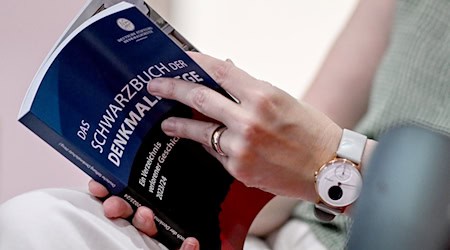
Whether it's a hereditary court or a historic petrol station: unique buildings in Germany should actually be preserved. But things often turn out differently, according to a new "black book". | more
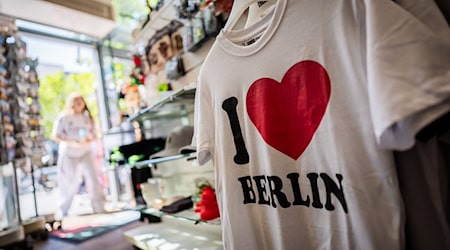
You can't avoid it in many souvenir stores: the "I" with a red heart on clothing, bags or mugs. One company wanted to protect it as an EU trademark - without success. | more
Der Sattel drückt, die Hände schlafen ein oder nach längeren Touren schmerzen Nacken und Rücken? Nicht immer ist das Fahrrad selbst das Problem. Oft passt es einfach nicht optimal zum Fahrer. Im Ergonomielabor von Meißner Raeder in Dresden wird deshalb das eigene Rad genau unter die Lupe genommen. Gemeinsam mit dem Physiotherapeuten und Mitinhaber Martin Raeder werden Sitzposition, Sattel, Lenker und Griffe individuell angepasst. | more
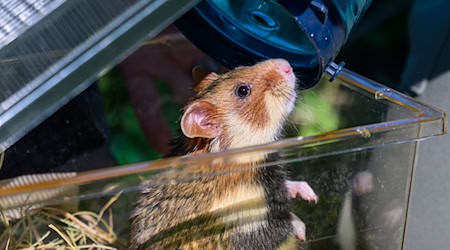
More than 40 field hamsters bred in Leipzig were nursed back to health in Halle and have now been released into the wild in northern Saxony. The project is thus entering a new round - and aims to save a species that has almost disappeared. | more