It wasn't planned: the Pegau couple only wanted to be prince and princess in their home country. Now they represent the whole of Saxony - with a lot of passion, family support and foolish enthusiasm. | more
Désirée and Simon Kremers actually only wanted to celebrate carnival in their hometown. After the final decision, they are now representing the whole of Saxony - and are even taking parental leave to do so. | more
Das europäische Austauschprogramm Erasmus für Jungunternehmer eröffnet nicht nur sächsischen Gründern und etablierten Unternehmen neue internationale Perspektiven. Das TGZ Bautzen begleitet das Netzwerk auch künftig als erfahrener Partner. | more
After corona, the energy crisis and stricter security measures, Saxony's jesters are taking a light-hearted approach to the street carnival. The biggest parade in Radeburg is set to be colorful, crazy and apolitical. | more
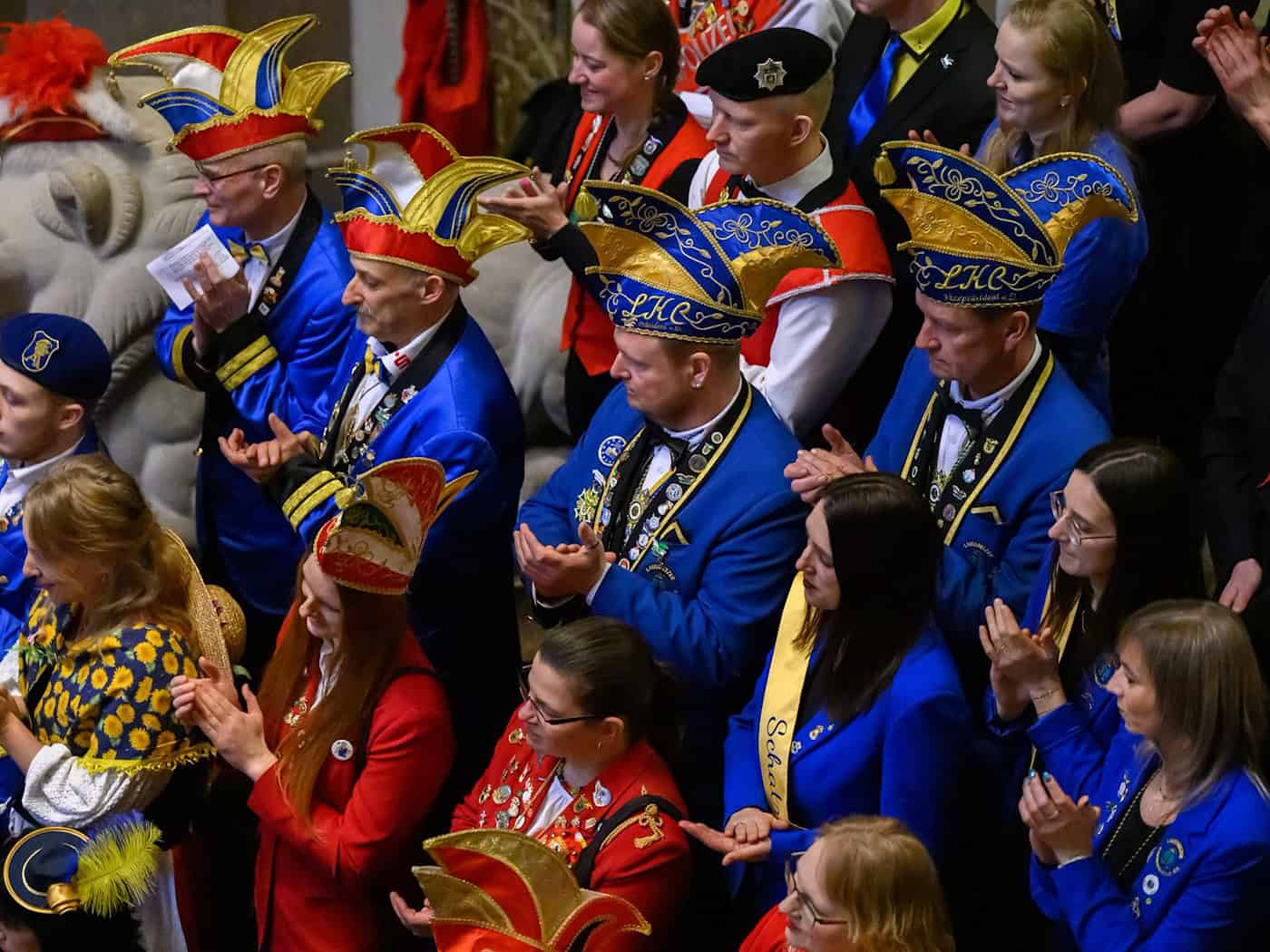
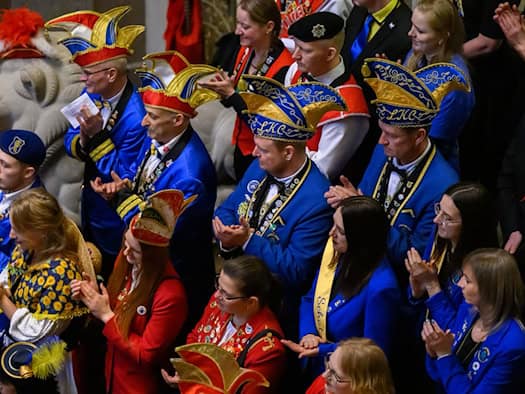
Around 95,000 people in Brandenburg and Berlin, Mecklenburg-Western Pomerania, Saxony, Saxony-Anhalt and Thuringia are part of carnival clubs. What makes this tradition special. | more
"Rabu! Rabu!" - Radeburg in a state of emergency: thousands of jesters celebrate Saxony's biggest carnival parade - with colorful costumes, loud music and an exuberant atmosphere. There are also parades elsewhere. | more
Ein Glas Wasser kann mehr als den Durst löschen. Es kann nach Heimat schmecken. Oppacher Mineralwasser stammt aus elf eigenen Tiefbrunnen im Oberlausitzer Bergland. Die Bohrungen reichen bis zu 300 Meter tief in kristallines Granitgestein. Dort entsteht sein natriumarmes, sanft mineralisiertes Profil. | more
The anticipation is growing: Despite heightened security concerns, Saxony's carnival parades are sticking to their tried and tested concepts - no drastic changes are being made. | more
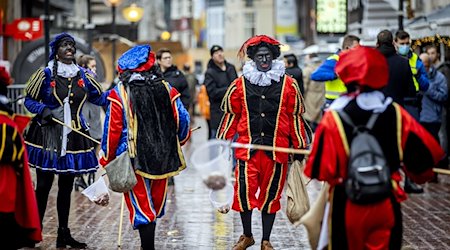
The carnival parade in Bad Schandau is once again under fire for accusations of racism. Left Party parliamentary group leader Rico Gebhardt condemns racist stereotypes and misanthropic provocations. SPD leader Henning Homann emphasizes that Fasching should not step down. Green politician Ines Kummer describes blackfacing as racism. | more
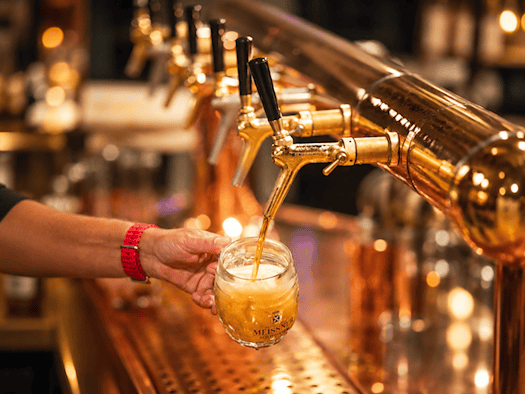
Das Familienunternehmen Meißner Schwerter erhielt 2025 den Bundesehrenpreis für Bier – als eine von zwölf Brauereien bundesweit. Hinter der Auszeichnung stehen Braumeister mit Erfahrung, regionale Rohstoffe und eine Brautradition, deren Wurzeln bis ins Jahr 1460 reichen. Kennenlernen lässt sich diese Meißner Braukultur auch in den Gasthäusern der Privatbrauerei. | more
Away from the German carnival strongholds in the Rhineland, the carnival days are also celebrated on the streets or in halls in Saxony. In some places, problems dampen the festive mood. | more