Despite a strong comeback, Dynamo Dresden lost 1-2 to Bochum. Two early goals by Miyoshi decided the match. | more
RB Leipzig will be without new signing Rocco Reitz for several weeks following his dream debut. The 20-million-euro transfer will be sidelined due to a thigh injury. | more
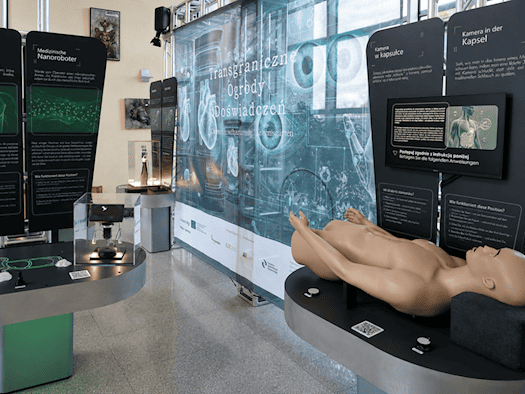
Medizin, die man anfassen kann – die interaktive Ausstellung „Medizin der Zukunft“ macht im TGZ Bautzen Station und lädt alle Neugierigen ein. Von Organzüchtung bis zur Blicksteuerung: Hier wird Zukunft nicht nur erklärt, sondern hautnah erlebbar. | more
RB Leipzig wants to prevent David Raum from leaving on a free transfer in the summer of 2027. Talks about a contract extension are set to begin as early as September. | more
Dynamo Dresden has parted ways with Thomas Blümel—the Honorary Council has determined that he violated his obligations. | more
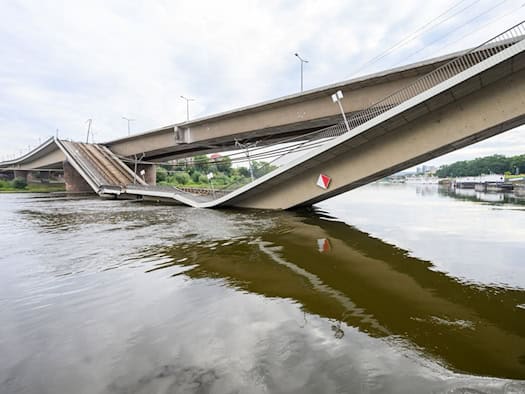
The bridge had unexpectedly collapsed in September 2024. The city council has now made a decision on the design for the new bridge. | more
Manchmal kommt einfach alles auf einmal. Das Auto muss plötzlich in die Werkstatt. Die Stromrechnung fällt höher aus als gedacht. Einschulung und Klassenfahrt stehen gleichzeitig an. Der Familienurlaub war wunderschön – aber auf dem Konto sieht es danach eher weniger schön aus. | more
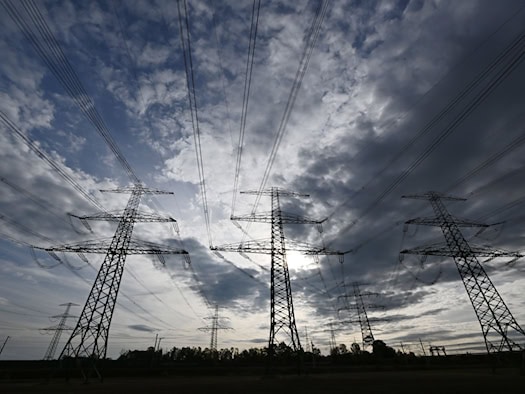
Electricity is more expensive in Germany than in other industrialized countries. Several state premiers from eastern Germany are therefore calling for lower prices so that Germany can remain competitive. | more
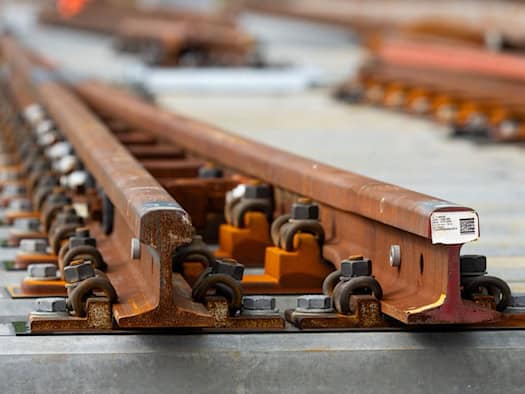
Trains have been running on the nearly 40-kilometer-long route between Nossen and Meissen for over 150 years. After years of wear and tear, the track has now been refurbished to accommodate heavier freight trains. | more
Schon wieder zu viel gegessen oder eine wichtige Aufgabe aufgeschoben? Oft reagieren wir auf solche Verhaltensweisen mit Selbstkritik. Doch damit bekämpfen wir meist nur das sichtbare Symptom – und übersehen, was wir in diesem Moment wirklich brauchen. | more
At Kastenmeiers in Dresden, Ann Gol’dor is exhibiting large-format works that blend painting, photography, and material art through October 9, 2027. Admission is free. | more
How can the raccoon population be controlled in a way that is both humane and sustainable? The Green Party is focusing on new approaches rather than relying solely on hunting. | more
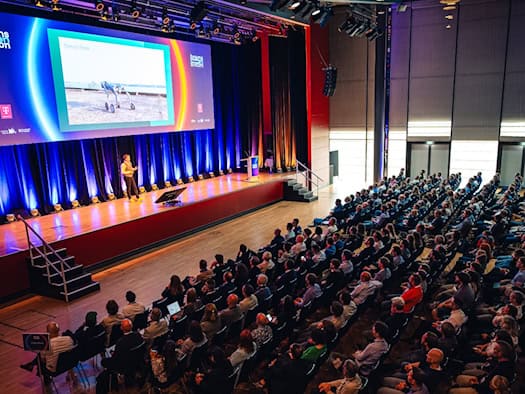
Dresden erwartet 1.500 KI-Fachleute: Bei der Brains on Silicon geht es um Umsetzung statt Theorie. Zwei-Tages-Tickets gibt es mit 60 Euro Rabatt nur noch heute. | more
Two new signings could step in for Reitz and Gruda. How Demichelis is addressing Leipzig's personnel issues and what role Nkunku might play in Bremen. | more
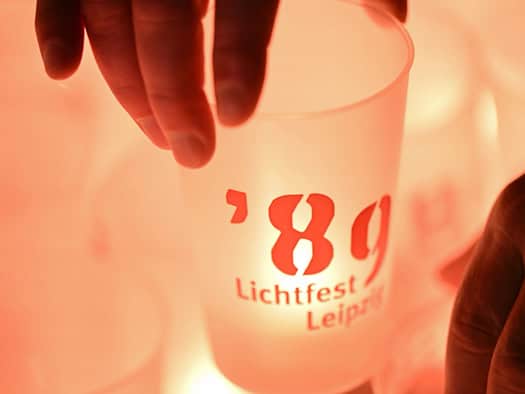
Leipzig commemorates the courage of tens of thousands of demonstrators during the Peaceful Revolution with a festival of lights. Fascinating installations, prayers, and speeches bridge the past and the present. | more
Gute Nachrichten tun gut. In unserem freitäglichen Good Newsletter bündeln wir die Geschichten, die Mut machen, inspirieren und zeigen, was in Sachsen vorangeht. Jetzt abonnieren und positive Nachrichten direkt ins Postfach bekommen. | more
Despite new standards for language and developmental assessments, the federal government is significantly cutting funding for daycare centers. There has been strong criticism from Saxony. | more
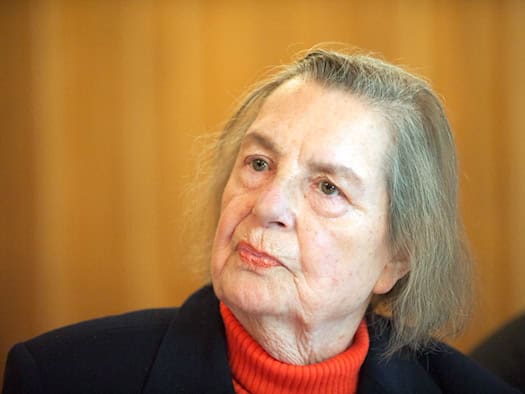
After the death of her husband, Werner Tübke, she devoted herself to managing his estate. Brigitte Tübke-Schellenberger has now passed away at the age of 95. | more
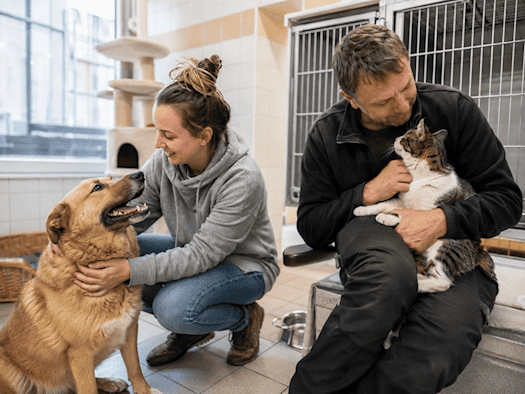
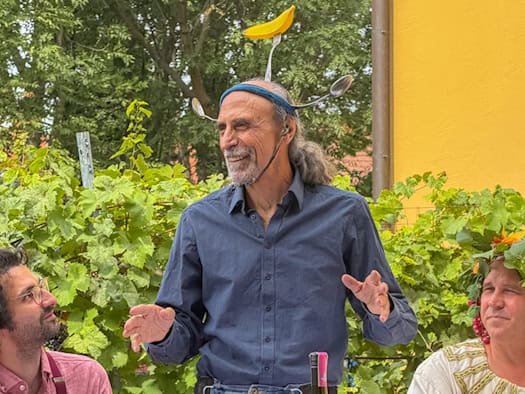
In jedem Verein, in jeder Straße, in jedem Treppenhaus gibt es diesen einen Menschen, der einfach da ist – ohne Bezahlung, ohne Applaus, oft ohne ein einziges Dankeschön. DIE SACHSEN NEWS startet eine neue Serie und sucht genau diese Menschen: Sachsens Alltagshelden. Und die Chancen stehen gut, dass Sie selbst schon eine oder einen kennen. | more
In the season opener against Gladbach, Rocco Reitz scored his first goal for RB Leipzig. Now the new signing will be sidelined for several weeks. | more
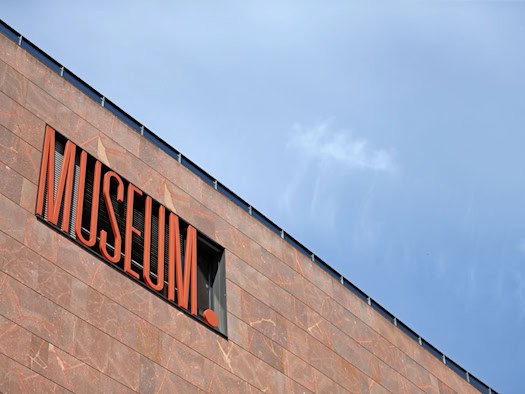
Museums in rural Saxony see their very existence threatened by planned budget cuts. The Museum Association warns of further closures and is calling for revisions to the draft budget. | more
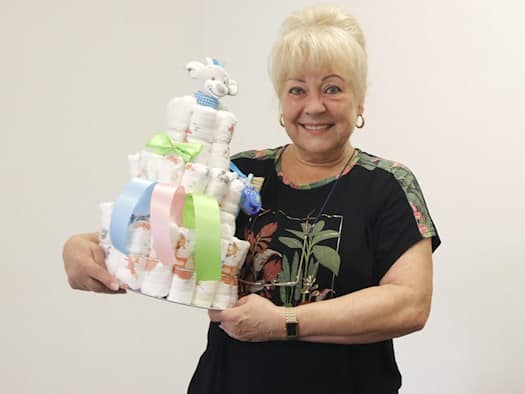
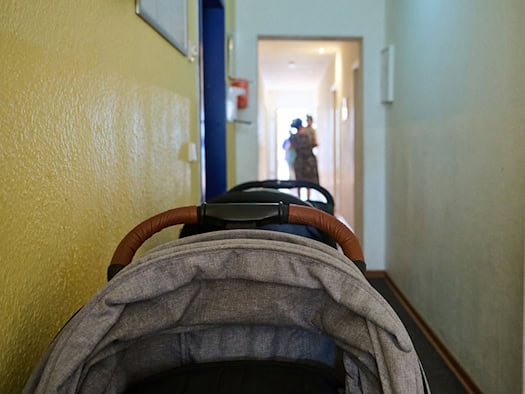
In Dresden-Pieschen fertigt Andrea Rehn im Zentralwerk personalisierte Geschenke für frischgebackene Eltern und deren Familien. Besonders gefragt sind bestickte Windeln mit Geburtsdaten sowie kreative Windeltorten – und das nicht nur online, sondern auch deutschlandweit über DM-Märkte. Jetzt gibt es 10 Prozent Rabatt im Shop. | more
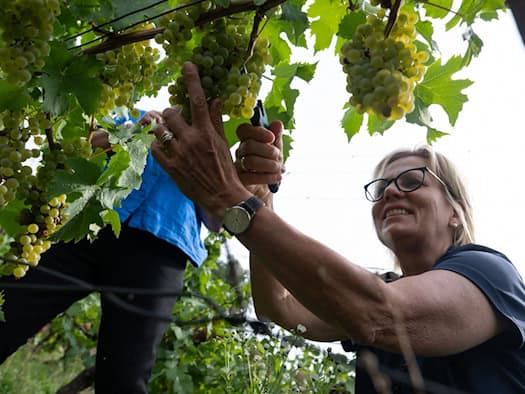
Tourism Minister Barbara Klepsch lends a hand during the grape harvest. Why she sees potential for Saxony in wine tourism. | more
From September 18 to 20, 2026, Radebeul will combine its fall and wine festival with the International Traveling Theater Festival in Altkötzschenbroda—under the theme “L’amore.” | more
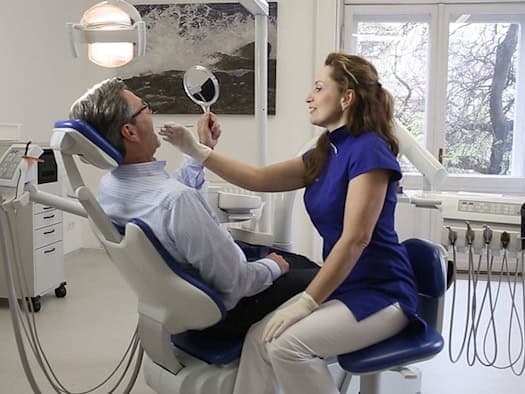
Zahnbehandlungen können in Deutschland schnell zur finanziellen Belastung werden. Besonders bei Implantaten, Kronen, Brücken oder umfangreichem Zahnersatz liegen die Kosten häufig im vierstelligen Bereich. Viele Patienten stehen dann vor einer schwierigen Entscheidung: Behandlung durchführen lassen und hohe Eigenanteile zahlen – oder den Eingriff aufschieben, obwohl er medizinisch sinnvoll wäre. | more
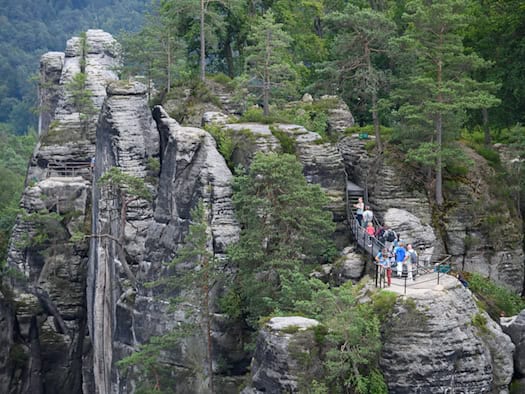
Initials and graffiti on rocks or damaged trail signs: Removing the traces of vandalism in Saxon Switzerland costs not only time but also taxpayer money. | more
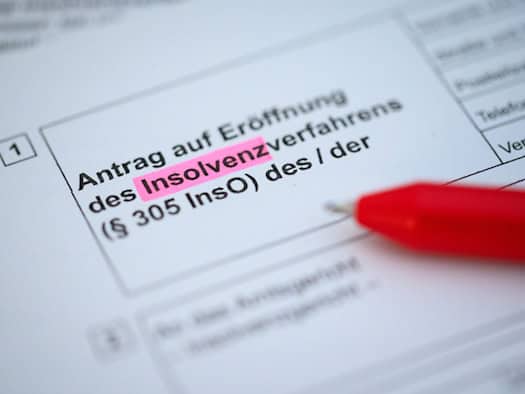
In Berlin and the surrounding area, many people are familiar with the König car dealership. The company, which has been in business for decades, has now filed for bankruptcy. | more
Medizin, die man anfassen kann – die interaktive Ausstellung „Medizin der Zukunft“ macht im TGZ Bautzen Station und lädt alle Neugierigen ein. Von Organzüchtung bis zur Blicksteuerung: Hier wird Zukunft nicht nur erklärt, sondern hautnah erlebbar. | more
14 transfers, plenty of second-division experience, and two last-minute loans: Dynamo is rebuilding its roster after avoiding relegation. | more
Since joining the team, Reaves has hardly ever missed a game—but now the American will be sidelined for at least six weeks due to a serious injury. | more
Manchmal kommt einfach alles auf einmal. Das Auto muss plötzlich in die Werkstatt. Die Stromrechnung fällt höher aus als gedacht. Einschulung und Klassenfahrt stehen gleichzeitig an. Der Familienurlaub war wunderschön – aber auf dem Konto sieht es danach eher weniger schön aus. | more
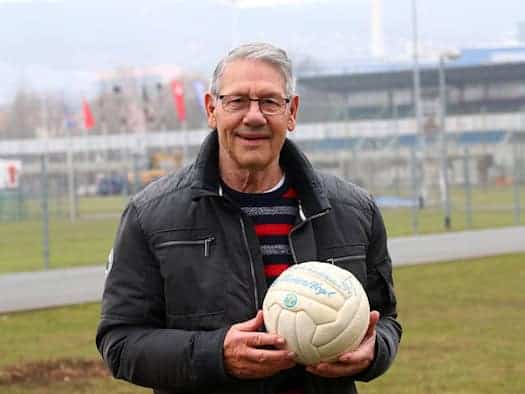
His goals remain just as unforgettable as his style of play as a left winger. Eberhard Vogel captivated fans and opponents alike—far beyond the borders of the GDR. | more
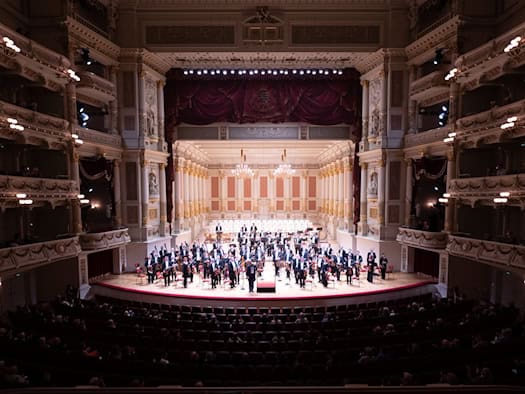
The Sächsische Staatskapelle Dresden is making its musical mark at several European festivals. A concert in Germany is also on the schedule. | more
Schon wieder zu viel gegessen oder eine wichtige Aufgabe aufgeschoben? Oft reagieren wir auf solche Verhaltensweisen mit Selbstkritik. Doch damit bekämpfen wir meist nur das sichtbare Symptom – und übersehen, was wir in diesem Moment wirklich brauchen. | more
After a difficult few months in Leipzig, Bitshiabu is hoping for a fresh start in Istanbul. Here's what Galatasaray can expect from the young French player. | more
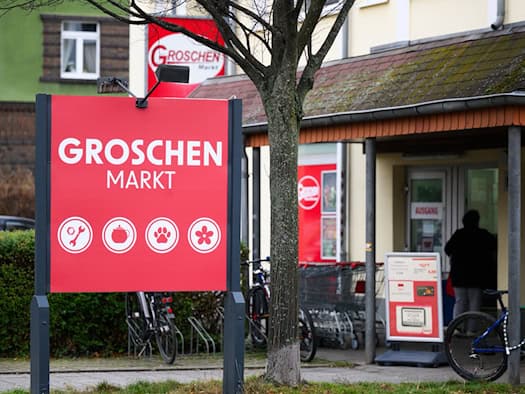
About 80 jobs will be preserved following the bankruptcy of the discount retailer Groschen Markt. However, most locations will continue to operate under new names. | more
Dresden erwartet 1.500 KI-Fachleute: Bei der Brains on Silicon geht es um Umsetzung statt Theorie. Zwei-Tages-Tickets gibt es mit 60 Euro Rabatt nur noch heute. | more
Long-distance swimmer Joseph Heß has done it: He swam 2,850 kilometers from the source to the mouth of the Danube—and encountered low water levels along the way. | more
Taiwan is a leader in the production of all types of chips. In the high-tech race with other countries, Germany aims to leverage Taiwan’s expertise—with Saxony taking the lead. | more
Gute Nachrichten tun gut. In unserem freitäglichen Good Newsletter bündeln wir die Geschichten, die Mut machen, inspirieren und zeigen, was in Sachsen vorangeht. Jetzt abonnieren und positive Nachrichten direkt ins Postfach bekommen. | more
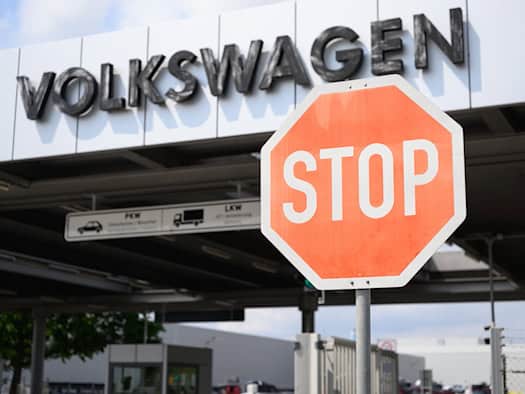
The future of several Volkswagen plants is uncertain. According to a report, operations in Zwickau and Emden are set to end in 2031. “We haven’t reached the point where a decision will be made yet,” emphasizes Saxony’s Minister-President Kretschmer. | more
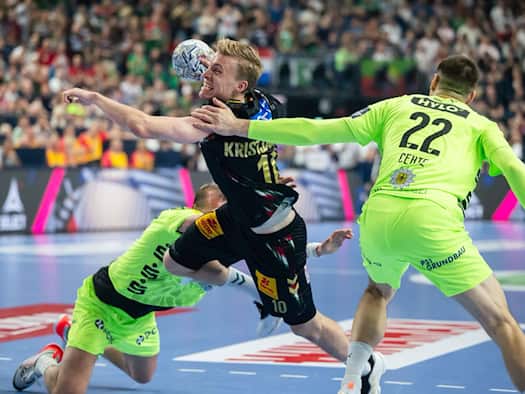
Ahead of SC Magdeburg's match against the Füchse Berlin, the spotlight is primarily on Gisli Kristjansson and Mathias Gidsel. Despite all the excitement, SCM coach Wiegert isn't entirely on board with this. | more
In jedem Verein, in jeder Straße, in jedem Treppenhaus gibt es diesen einen Menschen, der einfach da ist – ohne Bezahlung, ohne Applaus, oft ohne ein einziges Dankeschön. DIE SACHSEN NEWS startet eine neue Serie und sucht genau diese Menschen: Sachsens Alltagshelden. Und die Chancen stehen gut, dass Sie selbst schon eine oder einen kennen. | more
In an interview, Sandra Hüller talks about her identity, her relationship to home and responsibility—and her connection to the GDR. | more
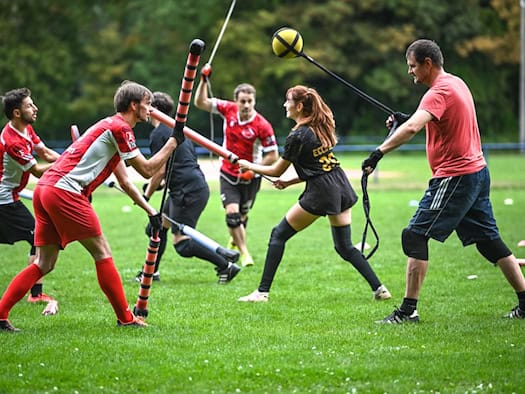
Jugger is like a mix of fencing, rugby, and jousting. This recreational sport has now gained international popularity. The World Championship will be held in Dresden this September. A team from Halle will be competing. | more
In Dresden-Pieschen fertigt Andrea Rehn im Zentralwerk personalisierte Geschenke für frischgebackene Eltern und deren Familien. Besonders gefragt sind bestickte Windeln mit Geburtsdaten sowie kreative Windeltorten – und das nicht nur online, sondern auch deutschlandweit über DM-Märkte. Jetzt gibt es 10 Prozent Rabatt im Shop. | more
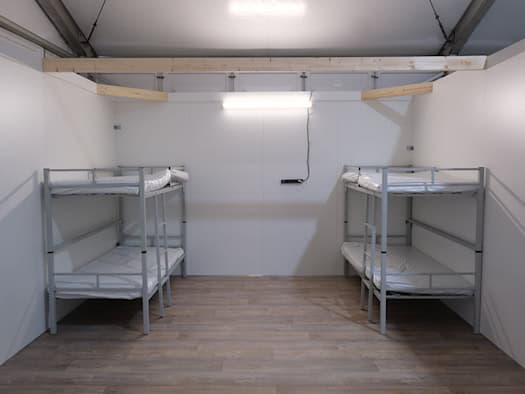
The number of asylum seekers in Saxony has once again been cut in half. What does this mean for the state’s capacity and housing resources? | more
Just before the transfer window closes, the Champions League participant secures the midfielder's services. He is joining on loan from AS Roma. | more
Zahnbehandlungen können in Deutschland schnell zur finanziellen Belastung werden. Besonders bei Implantaten, Kronen, Brücken oder umfangreichem Zahnersatz liegen die Kosten häufig im vierstelligen Bereich. Viele Patienten stehen dann vor einer schwierigen Entscheidung: Behandlung durchführen lassen und hohe Eigenanteile zahlen – oder den Eingriff aufschieben, obwohl er medizinisch sinnvoll wäre. | more
Restrictions on Russian institutions, pressure on the shadow fleet: How does Germany plan to respond to the attempted attack at Leipzig/Halle Airport? What risks are associated with each option? | more
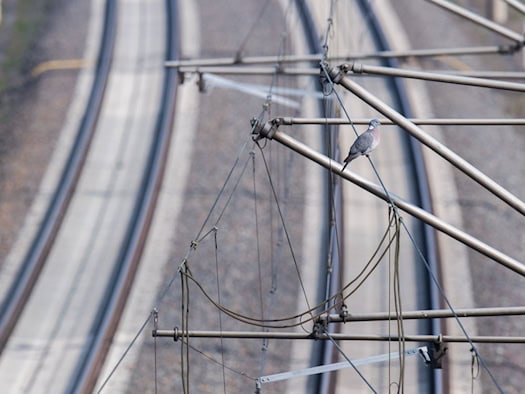
Poland is pushing, and Saxony is waiting. At the federal level, the long-planned electrification of the Dresden–Görlitz rail line is currently on the back burner. Impatience is growing in the Free State. | more
Medizin, die man anfassen kann – die interaktive Ausstellung „Medizin der Zukunft“ macht im TGZ Bautzen Station und lädt alle Neugierigen ein. Von Organzüchtung bis zur Blicksteuerung: Hier wird Zukunft nicht nur erklärt, sondern hautnah erlebbar. | more
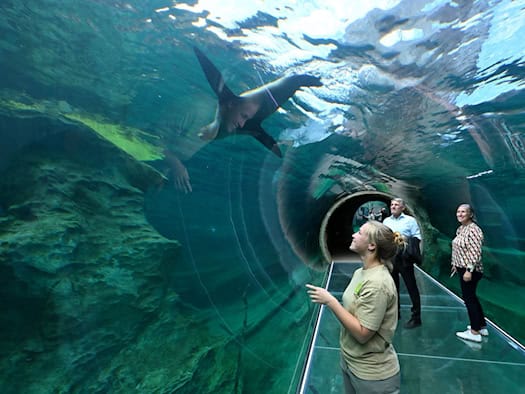
Seals and penguins from an unusual perspective: A new coastal landscape takes zoo visitors on a journey to the Pacific coast of South America. | more
In a review of government vehicles, Saxony’s state government ranks in the lower middle of the pack. Ironically, the Environment Minister’s car is among those with the highest CO2 emissions. | more
Manchmal kommt einfach alles auf einmal. Das Auto muss plötzlich in die Werkstatt. Die Stromrechnung fällt höher aus als gedacht. Einschulung und Klassenfahrt stehen gleichzeitig an. Der Familienurlaub war wunderschön – aber auf dem Konto sieht es danach eher weniger schön aus. | more
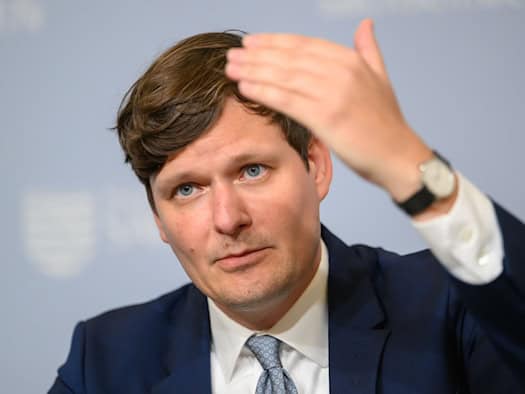
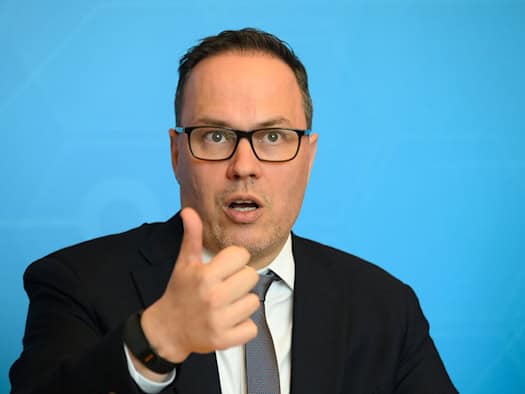
Saxony's Minister of Economic Affairs, Dirk Panter, is counting on close cooperation with Taiwan and Vietnam to strengthen the region as a technology hub and open up new markets for businesses. | more
More funding and more services: A new law aims to close gaps in the support system for victims of domestic violence. Saxony has some catching up to do. | more
Schon wieder zu viel gegessen oder eine wichtige Aufgabe aufgeschoben? Oft reagieren wir auf solche Verhaltensweisen mit Selbstkritik. Doch damit bekämpfen wir meist nur das sichtbare Symptom – und übersehen, was wir in diesem Moment wirklich brauchen. | more
Theory alone isn't enough here: At an expanded training center, aspiring railroad professionals can practice their trade under realistic conditions. | more
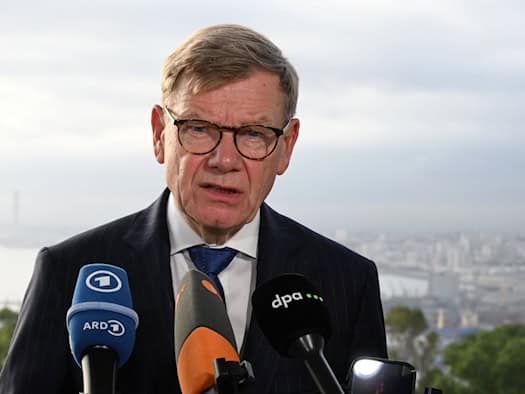
The government had announced that it would soon reveal who, in its assessment, was behind the explosive-laden drone at Leipzig Airport. Now the foreign and interior ministers are addressing the media. | more
Dresden erwartet 1.500 KI-Fachleute: Bei der Brains on Silicon geht es um Umsetzung statt Theorie. Zwei-Tages-Tickets gibt es mit 60 Euro Rabatt nur noch heute. | more
About 11 percent of Saxony’s land area consists of nature parks—landscapes dedicated to nature conservation and public recreation. Two of them are now receiving additional funding from the Free State. | more
Tourism in Saxony generates billions and continues to see rising visitor numbers. In difficult times, the industry is sending a positive message. | more
Gute Nachrichten tun gut. In unserem freitäglichen Good Newsletter bündeln wir die Geschichten, die Mut machen, inspirieren und zeigen, was in Sachsen vorangeht. Jetzt abonnieren und positive Nachrichten direkt ins Postfach bekommen. | more
Six municipalities in Saxony are being added to a new funding program. They plan to use the funds to revitalize brownfield sites, improve public spaces, and renovate key buildings. | more
The Super Cup victory over the Füchse was a commanding one. For their first Bundesliga home game, Magdeburg’s championship-winning coach, Bennet Wiegert, expects Berlin to show a different side of themselves. | more
In jedem Verein, in jeder Straße, in jedem Treppenhaus gibt es diesen einen Menschen, der einfach da ist – ohne Bezahlung, ohne Applaus, oft ohne ein einziges Dankeschön. DIE SACHSEN NEWS startet eine neue Serie und sucht genau diese Menschen: Sachsens Alltagshelden. Und die Chancen stehen gut, dass Sie selbst schon eine oder einen kennen. | more
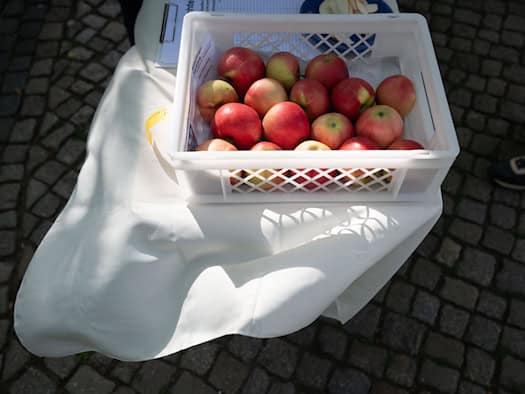
Alida, the "Flower Queen," cuts into an apple pie, thereby kicking off the apple harvest in Saxony. As the industry looks back and ahead, there are also some critical voices. | more
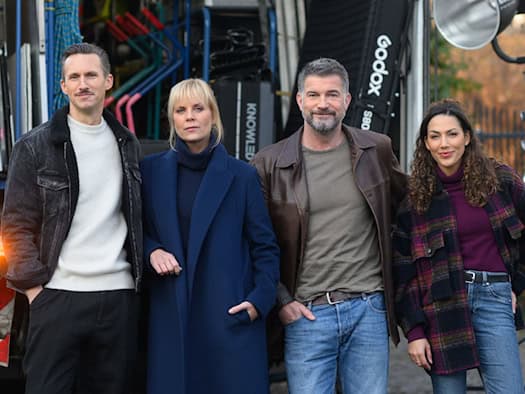
A new detective, explosive storylines, and an unusual case: The 27th season of “SOKO Leipzig” kicks off with plenty of changes. | more
In Dresden-Pieschen fertigt Andrea Rehn im Zentralwerk personalisierte Geschenke für frischgebackene Eltern und deren Familien. Besonders gefragt sind bestickte Windeln mit Geburtsdaten sowie kreative Windeltorten – und das nicht nur online, sondern auch deutschlandweit über DM-Märkte. Jetzt gibt es 10 Prozent Rabatt im Shop. | more
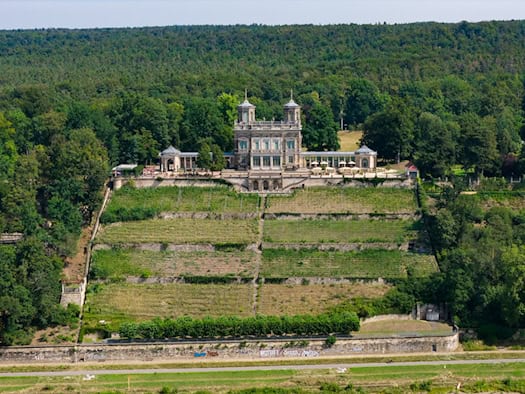
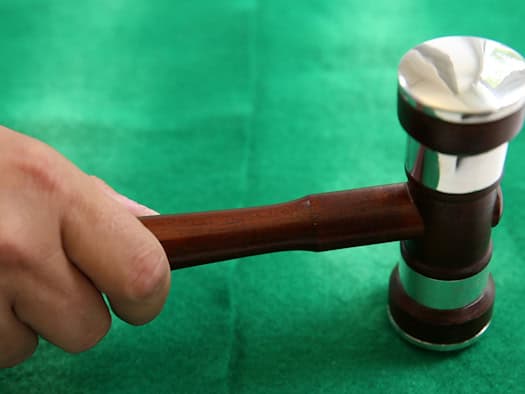
From churches to forestry schools: Unusual properties have changed hands at auctions. The historic Erlwein Tower in Dresden will go under the hammer at the next auction. | more
When will the German government comment on who was behind the drone attack at Leipzig/Halle Airport? The German foreign minister has cut short a business trip to hold consultations in Berlin. | more
Zahnbehandlungen können in Deutschland schnell zur finanziellen Belastung werden. Besonders bei Implantaten, Kronen, Brücken oder umfangreichem Zahnersatz liegen die Kosten häufig im vierstelligen Bereich. Viele Patienten stehen dann vor einer schwierigen Entscheidung: Behandlung durchführen lassen und hohe Eigenanteile zahlen – oder den Eingriff aufschieben, obwohl er medizinisch sinnvoll wäre. | more