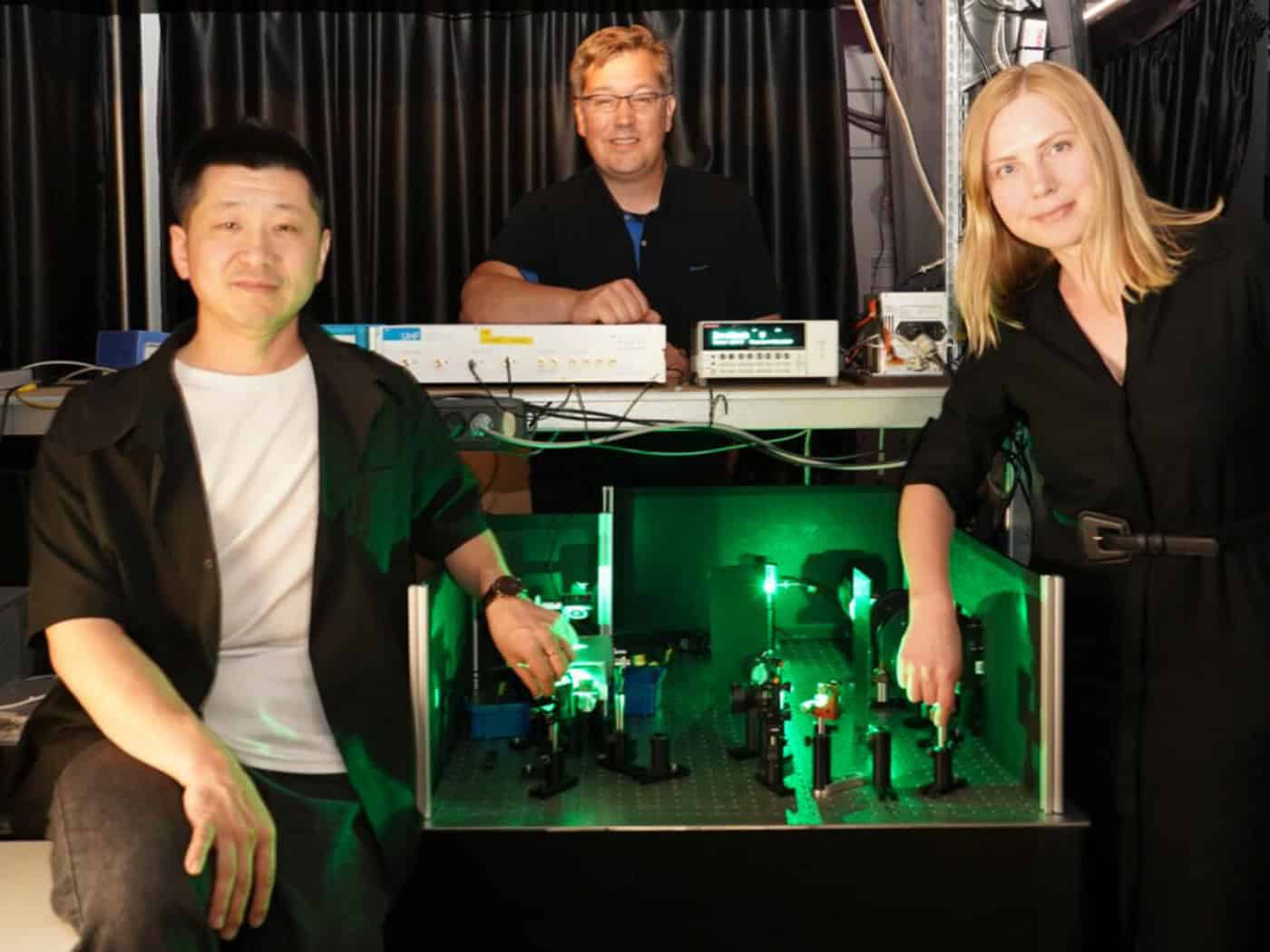
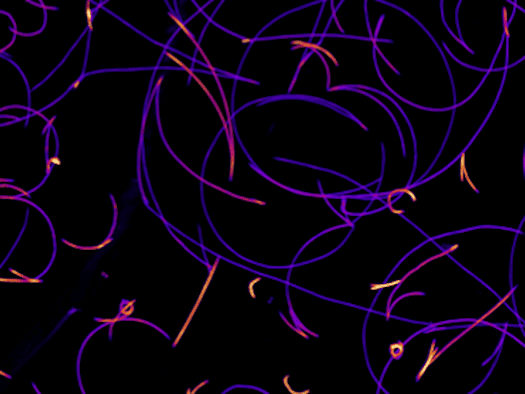
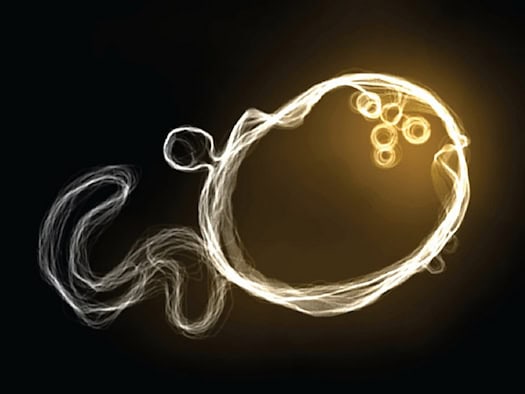
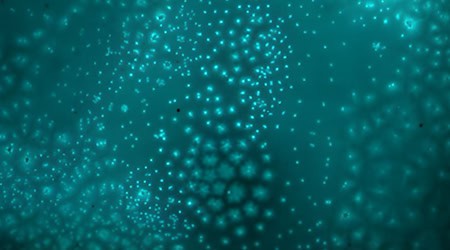
Diatoms are encased in rigid glass-like shells — yet they can still move with remarkable agility. Researchers at B CUBE at TU Dresden have now discovered how they do it. The mechanism is surprisingly simple and could one day inspire the development of tiny machines. | more
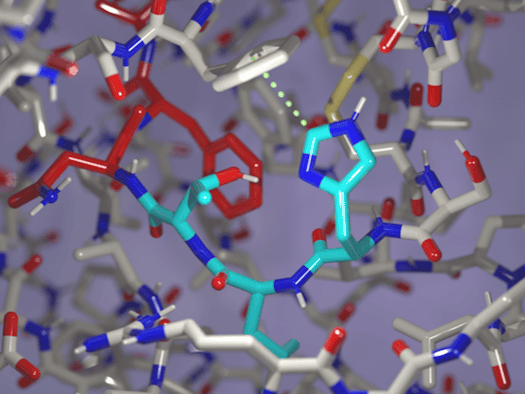
Special receptors on our cells can take up to 100 days to cleave themselves – far too slow to function properly. Researchers at Leipzig University have now discovered why this happens – and how it can be changed. Their findings could pave the way for new drugs to treat cancer and neurological diseases. | more
Gute Nachrichten tun gut. In unserem freitäglichen Good Newsletter bündeln wir die Geschichten, die Mut machen, inspirieren und zeigen, was in Sachsen vorangeht. Jetzt abonnieren und positive Nachrichten direkt ins Postfach bekommen. | more
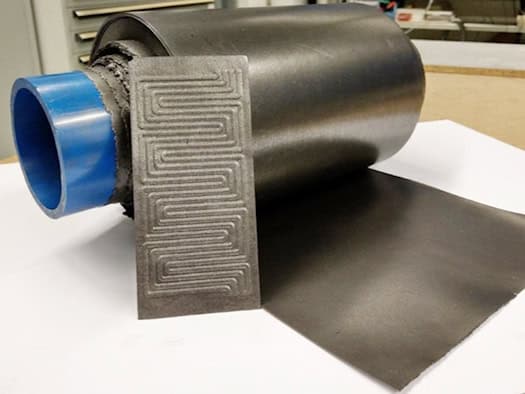
New coatings from Dresden are intended to make important components for hydrogen technology cheaper and more durable. | more
Each of our cells is surrounded by a membrane made of fats and proteins. How these fats behave within it has long remained a mystery. Researchers in Dresden have now developed a technique that could change this – and open the door to new insights into disease. | more
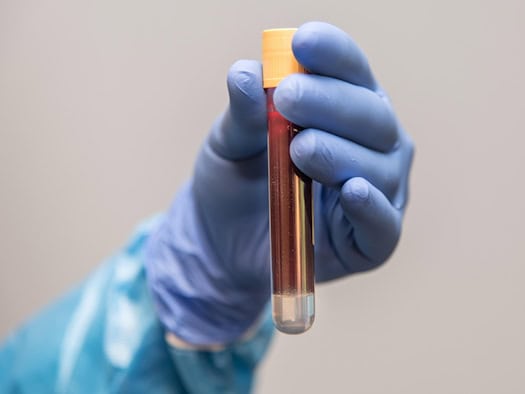
Dresden researchers isolate stem cells from the umbilical cords of healthy newborns that could save lives. A recent study suggests that the cells developed at University Hospital Carl Gustav Carus may reduce mortality in severe COVID-19. They are now also being tested in patients with sepsis. | more
In jedem Verein, in jeder Straße, in jedem Treppenhaus gibt es diesen einen Menschen, der einfach da ist – ohne Bezahlung, ohne Applaus, oft ohne ein einziges Dankeschön. DIE SACHSEN NEWS startet eine neue Serie und sucht genau diese Menschen: Sachsens Alltagshelden. Und die Chancen stehen gut, dass Sie selbst schon eine oder einen kennen. | more
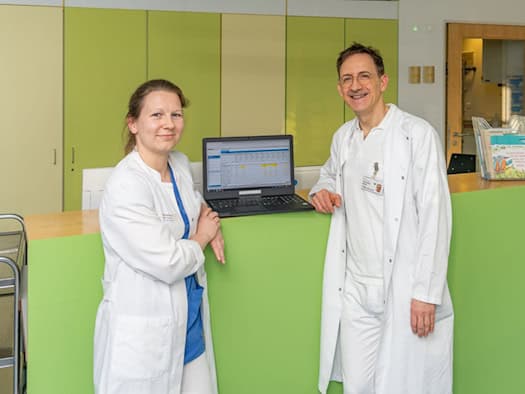
Patients with an aggressive form of blood cancer, acute myeloid leukemia, previously had little chance of recovery when the disease returned. Researchers in Dresden have changed this. With a new combination of therapies, three times as many patients now achieve the decisive step towards a cure. | more
Dresden researchers are sending tiny, laboratory-grown mini-livers into space. What weightlessness does to liver tissue should not only protect astronauts - but also open up new avenues in medicine. | more
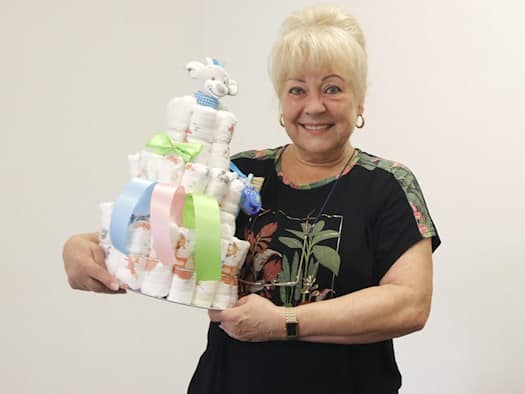
In Dresden-Pieschen fertigt Andrea Rehn im Zentralwerk personalisierte Geschenke für frischgebackene Eltern und deren Familien. Besonders gefragt sind bestickte Windeln mit Geburtsdaten sowie kreative Windeltorten – und das nicht nur online, sondern auch deutschlandweit über DM-Märkte. Jetzt gibt es 10 Prozent Rabatt im Shop. | more
Blood cancer affects tens of thousands of people in Germany. For many, a stem cell transplant is the last hope. But which preparation for this procedure helps the most, especially for older or previously ill patients? Researchers at Dresden University Hospital and Kiel University Hospital now want to find out in the largest German study of its kind. | more
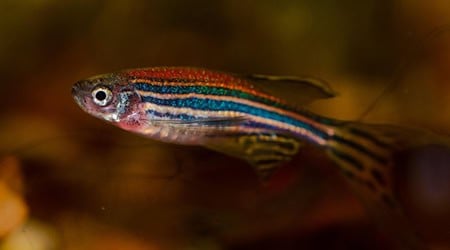
A flash of electricity in milliseconds, followed by a chemical wave and the tissue begins to grow. Researchers at TU Dresden and the Max Planck Institute have discovered how electrical signals control the healing of organs. A small fish provided the decisive insights. | more
Zahnbehandlungen können in Deutschland schnell zur finanziellen Belastung werden. Besonders bei Implantaten, Kronen, Brücken oder umfangreichem Zahnersatz liegen die Kosten häufig im vierstelligen Bereich. Viele Patienten stehen dann vor einer schwierigen Entscheidung: Behandlung durchführen lassen und hohe Eigenanteile zahlen – oder den Eingriff aufschieben, obwohl er medizinisch sinnvoll wäre. | more
Every human being begins as a single cell. Researchers at TU Dresden have now deciphered how this becomes a complete organism. Their discovery: the first cell divisions function through controlled chaos. Thread-like structures called microtubules divide the cell material - although they are actually unstable. The study published in Nature also shows why different animal species use different developmental strategies. | more
Violet light on, blue light off: Researchers at Leipzig University and TU Dresden have developed molecular switches that control bodily functions using light pulses. The scientists can use them to activate nerve cells, regulate adrenaline release and control intestinal movements. The new method could help to better understand diseases and develop new therapies. | more
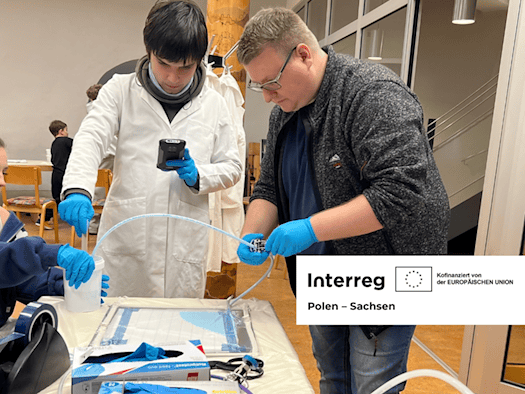
Nach zwei Jahren erfolgreicher Zusammenarbeit geht das INTERREG-Projekt „Grenzüberschreitende Experimentiergärten“ in die finale Phase. Am 4. November lädt das Technologie- und Gründerzentrum Bautzen zur Abschlusskonferenz „Impulse für die MINT-Bildung von morgen“ ein – ein Höhepunkt des Wissenschaftsjahres 2026. | more
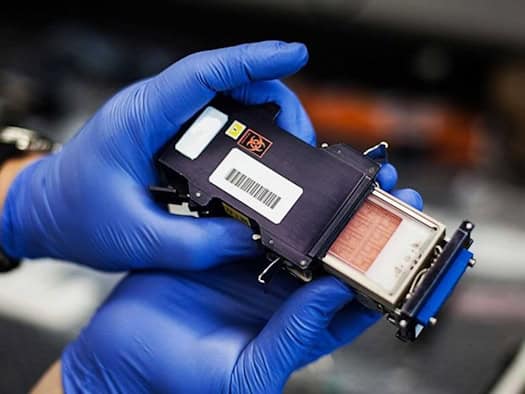
How do cells talk to each other? A team at TU Dresden has succeeded in making the most important sensors on the cell surface visible for the first time. The so-called proteoglycans receive signals and control how cells grow and react. The new method could help to better understand cancer and develop new therapies in the future. | more
High energy prices and climate protection - hydrogen is supposed to solve both problems. But the technology is expensive. Four Saxon universities are now developing fuel cells that can be reused. The "Hy²Cycle" project could advance the energy transition. | more
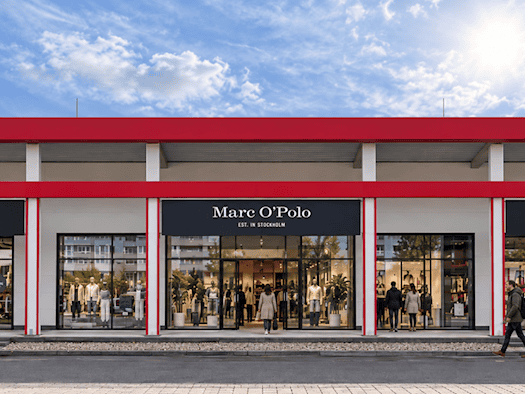
Neue Kollektionen, neue Outlets und attraktive Angebote: In Schwarzheide-Mitte gibt es jetzt viel zu entdecken. Die Schulferien sind die ideale Gelegenheit, mit Familie oder Freunden durch die Shops zu bummeln und neue Lieblingsstücke für die kühleren Tage zu finden. | more
How do cells divide when they are too big for the classic mechanism? Researchers at TU Dresden have discovered a surprising trick of nature in zebrafish embryos. A rhythmic alternation between solid and liquid states inside the cell enables division over several cycles. The discovery changes our understanding of one of the most fundamental processes of life. | more
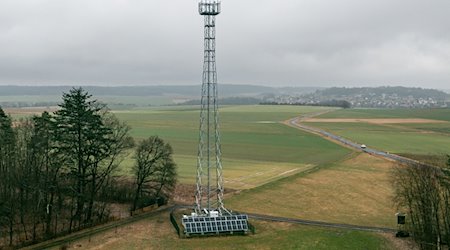
Telefónica (O2) has put an energy self-sufficient cell phone mast into operation in Kirtorf in the Vogelsberg district. The facility is self-powered with solar modules and a fuel cell and offers 4G and 5G reception. | more
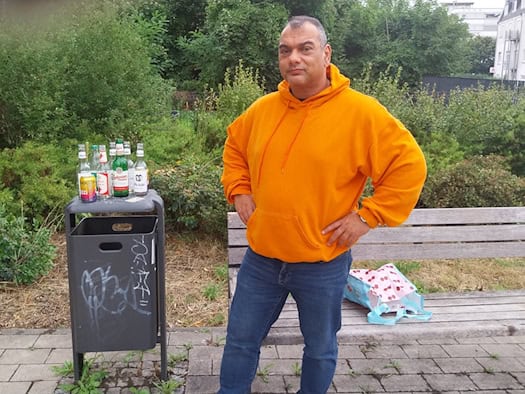
Auf dem Weg zur Arbeit, beim Spaziergang durch Dresden oder beim Warten auf die nächste Bahn – überall können sie liegen: leere Pfandflaschen und Dosen. Für die meisten sind sie Müll, für andere ein kleiner Schatz. Genau daraus macht Pfandpirat eine digitale Schatzsuche, bei der Nutzer Fundorte entdecken, selbst Flaschen melden, Punkte sammeln und gemeinsam auf die Jagd gehen können. Hinter der ungewöhnlichen Idee steckt der Dresdner Sammy Zimmermanns. Wie aus herumliegenden Pfandflaschen ein echtes Spiel für die Stadt geworden ist, lesen Sie hier. | more