

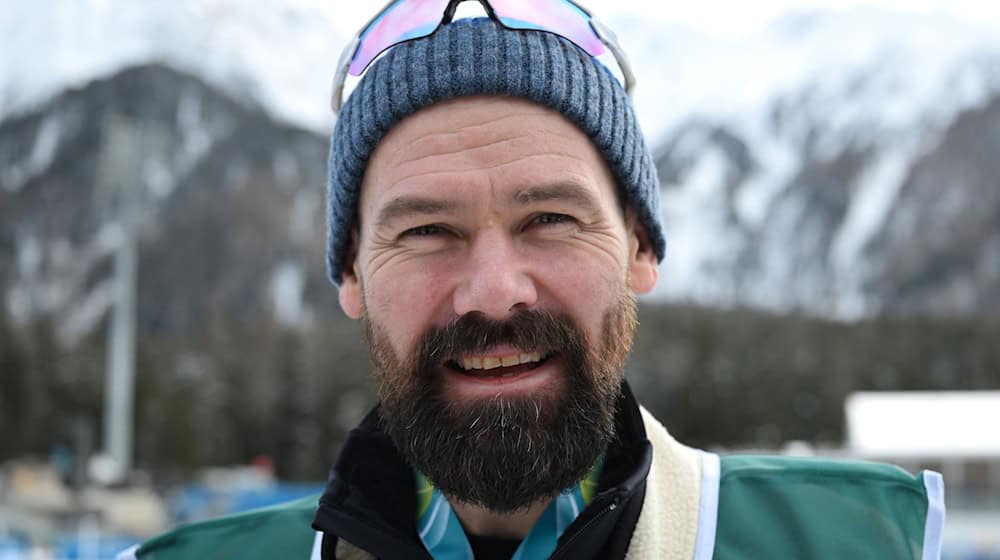
Olympic biathlon champion Michael Rösch has spoken about his depression for the first time. "The Olympic victory was public. The hardest battle took place in silence. Mentally, I was dead at times," the 42-year-old told the German Press Agency. After becoming Olympic champion with the relay team in Turin in February 2006 at the age of just 22, he was regarded as the new face of German biathlon. Until 2009, Rösch won three World Championship bronze medals with the relay team, as well as two World Cup victories and other podium places. In sporting terms, however, he was unable to meet the high expectations. This was compounded by financial problems. In 2009, the Saxon experienced his first low point in Pokljuka. "I left the stadium with a bin bag over my shoulder - I was broken inside," said Rösch in the joint podcast with Christian Akber-Sade "Nacksch - vom Olympiasieg in die Depression", with which he wants to encourage other sufferers. Rösch later lost his World Cup place and missed the 2010 Olympics in Vancouver. He did not seek psychological help because he believed for a long time that mental problems were a personal failure. "Anyone who sought help was considered not resilient," said Rösch. The fact that this has changed in recent years is a big step forward. In the 2011/12 season, he missed out on the home World Championships in Ruhpolding despite meeting the World Championships standard, and even before that he experienced moments of panic. At the suggestion of his manager, he then decided to switch nations to Belgium and gave up his civil servant status with the federal police to do so. However, because the transfer dragged on until January 2014, he had his first "approach of suicidal thoughts" in January 2013. In 2015, too, a diagnosis of glandular fever and a torn Achilles tendon a few days after an operation led to a "life-threatening situation. The months that followed were like vegetating," said Rösch. First after his career ended in 2019 and an emotional breakdown, he went to the emergency room for the first time in May 2019. The diagnosis was followed by medication and over 50 therapy sessions. "It was like a fog - and suddenly there was blue sky," said Rösch. He had to learn to live with his vulnerability. Even now, setbacks cannot be ruled out. "Therapy is not a finished process," said Rösch. His advice to other sufferers: "Seek help!" Copyright 2026, dpa (www.dpa.de). All rights reservedWas broken inside
Months of vegetation
Fog turns to blue sky


