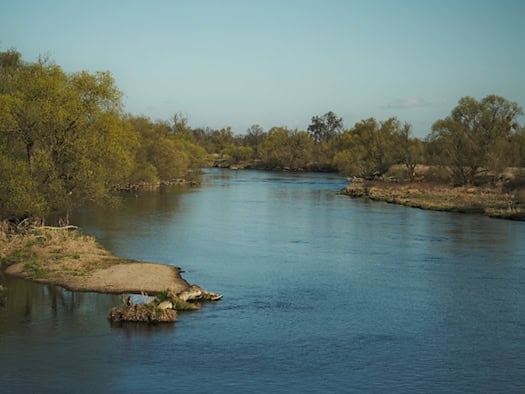
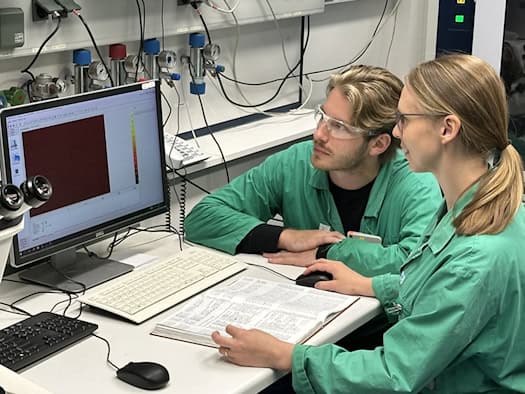
PFAS are considered one of the greatest environmental problems of our time. Researchers at the Helmholtz Center Dresden-Rossendorf have now developed two methods for breaking down these "forever chemicals" in the laboratory. | more
In cases of advanced prostate cancer, the correct radiation dose is crucial. Researchers in Dresden have developed a method that combines two diagnostic procedures into a single molecule. This makes it possible to tailor treatment precisely to the patient. | more
Neue Kollektionen, neue Outlets und attraktive Angebote: In Schwarzheide-Mitte gibt es jetzt viel zu entdecken. Die Schulferien sind die ideale Gelegenheit, mit Familie oder Freunden durch die Shops zu bummeln und neue Lieblingsstücke für die kühleren Tage zu finden. | more
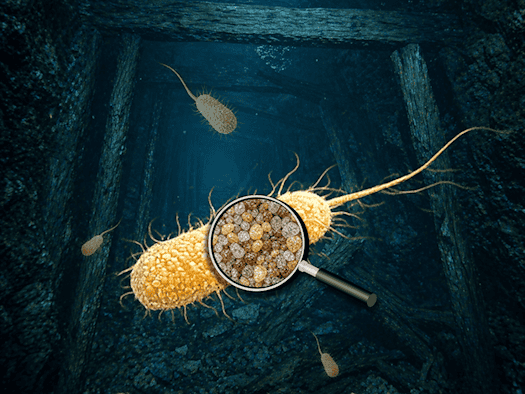
The Ore Mountains are home to old uranium mines with contaminated groundwater. Researchers in Dresden have now discovered that bacteria can transform the toxic heavy metal into a previously unknown, stable form. This could be a potential solution for remediating contaminated soil and water. | more
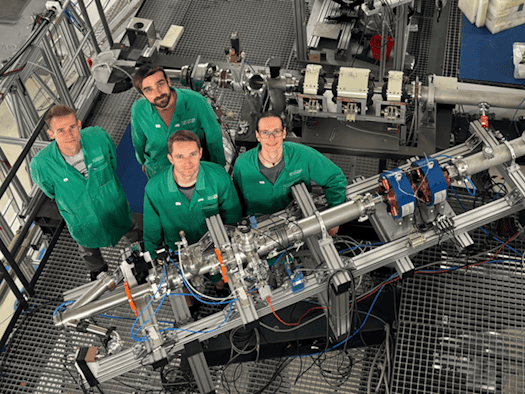
Everything around us is made up of hydrogen and helium, which were formed in the first few minutes after the Big Bang. A new experimental facility is now beginning operations at TU Dresden to study precisely this early phase of the universe in the laboratory. | more
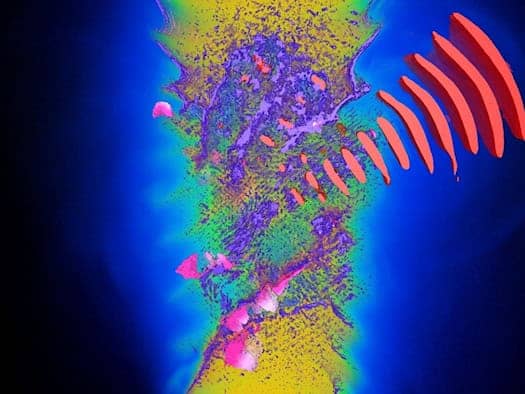
HZDR researchers from Dresden and Görlitz have been selected as the only non-American team to receive early access to the U.S. supercomputer Discovery. Their AI-powered simulation program, PIConGPU, could help improve cancer treatments and generate clean energy. | more
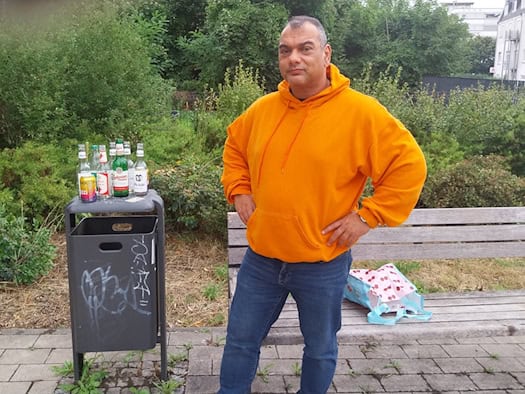
Auf dem Weg zur Arbeit, beim Spaziergang durch Dresden oder beim Warten auf die nächste Bahn – überall können sie liegen: leere Pfandflaschen und Dosen. Für die meisten sind sie Müll, für andere ein kleiner Schatz. Genau daraus macht Pfandpirat eine digitale Schatzsuche, bei der Nutzer Fundorte entdecken, selbst Flaschen melden, Punkte sammeln und gemeinsam auf die Jagd gehen können. Hinter der ungewöhnlichen Idee steckt der Dresdner Sammy Zimmermanns. Wie aus herumliegenden Pfandflaschen ein echtes Spiel für die Stadt geworden ist, lesen Sie hier. | more
Researchers at the NCT/UCC in Dresden, working with an international team, have developed proteins that glow inside the body. The light they emit penetrates deeper into tissue than ever before. The discovery could help detect cancer cells more precisely during surgery. | more
How do electrons behave under conditions similar to those inside a planet? Researchers subjected aluminum to extreme pressure and high temperatures – and discovered that key models in physics are surprisingly inaccurate. | more
Gute Nachrichten tun gut. In unserem freitäglichen Good Newsletter bündeln wir die Geschichten, die Mut machen, inspirieren und zeigen, was in Sachsen vorangeht. Jetzt abonnieren und positive Nachrichten direkt ins Postfach bekommen. | more
A black rock from the bottom of the Pacific Ocean is full of cosmic mysteries. Researchers at the HZDR in Dresden have found radioactive atoms from space within it—and thereby determined the age of an ancient event: The last rare cosmic spectacle in our galactic neighborhood occurred at least 100 million years ago. | more
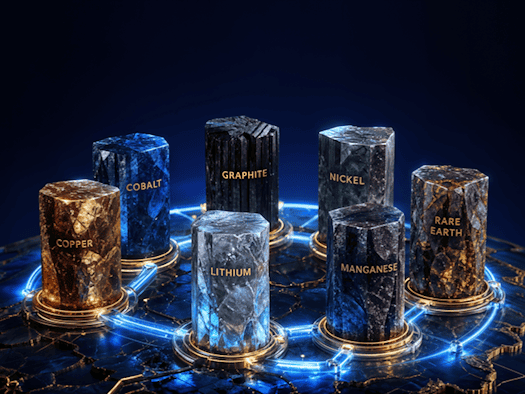
The modern world depends on critical raw materials. Lithium powers electric cars, rare earths are essential for smartphones, and many high-tech products rely on metals that are mined in only a few places around the world. To help make Germany’s supply of these resources more secure, the Helmholtz-Zentrum Dresden-Rossendorf (HZDR) has secured nearly €20 million in federal funding for eight new research projects and junior research groups. | more
In jedem Verein, in jeder Straße, in jedem Treppenhaus gibt es diesen einen Menschen, der einfach da ist – ohne Bezahlung, ohne Applaus, oft ohne ein einziges Dankeschön. DIE SACHSEN NEWS startet eine neue Serie und sucht genau diese Menschen: Sachsens Alltagshelden. Und die Chancen stehen gut, dass Sie selbst schon eine oder einen kennen. | more
Magnetic field sensors can be found in almost every device we use every day. But many contain problematic metals such as nickel or cobalt. Researchers at the Helmholtz-Zentrum Dresden-Rossendorf have now developed printed sensors made from iron, cellulose and beeswax that can later dissolve in a controlled way. | more
Ancient Antarctic ice reveals traces of a long-ago stellar explosion: researchers in Dresden have detected the rare radioactive isotope iron-60. The discovery shows that Earth has been collecting material from interstellar space for thousands of years — providing new clues to the history of our cosmic neighborhood. | more
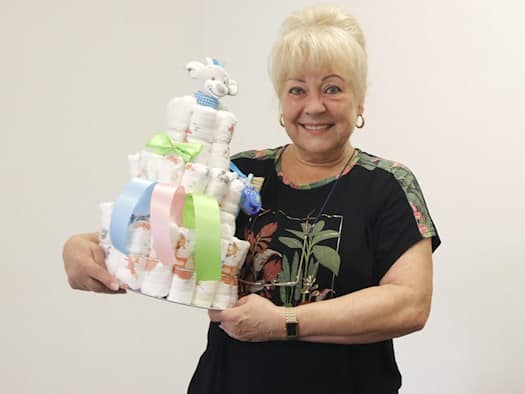
In Dresden-Pieschen fertigt Andrea Rehn im Zentralwerk personalisierte Geschenke für frischgebackene Eltern und deren Familien. Besonders gefragt sind bestickte Windeln mit Geburtsdaten sowie kreative Windeltorten – und das nicht nur online, sondern auch deutschlandweit über DM-Märkte. Jetzt gibt es 10 Prozent Rabatt im Shop. | more
When atoms in a crystal rotate, they follow the same laws of nature as a carousel. But at the atomic level, something unusual happens: the angular momentum can reverse direction. Physicists from Dresden have now observed this effect directly for the first time — providing new insight into a physics question that has puzzled researchers for more than 100 years. | more
Whenever electricity flows through a cable, some energy is lost as heat. Superconductors could one day change that. In these materials, electricity flows without resistance. Researchers at the Helmholtz-Zentrum Dresden-Rossendorf have now examined a particularly promising class of superconductors under extreme pressure for the first time — using miniature magnetic lenses smaller than a human hair. | more
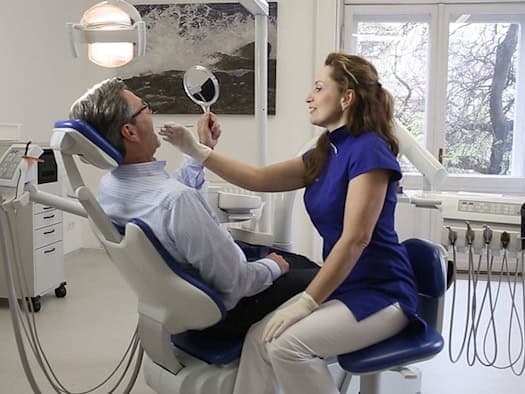
Zahnbehandlungen können in Deutschland schnell zur finanziellen Belastung werden. Besonders bei Implantaten, Kronen, Brücken oder umfangreichem Zahnersatz liegen die Kosten häufig im vierstelligen Bereich. Viele Patienten stehen dann vor einer schwierigen Entscheidung: Behandlung durchführen lassen und hohe Eigenanteile zahlen – oder den Eingriff aufschieben, obwohl er medizinisch sinnvoll wäre. | more
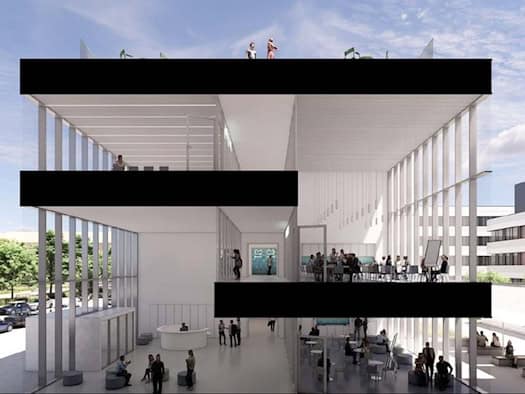
A new research center dedicated to one of humanity’s oldest questions is set to be built in Dresden: How does life organize itself? Germany’s Science Council has recommended funding of up to €77 million for the project, with construction scheduled to begin in 2027. | more
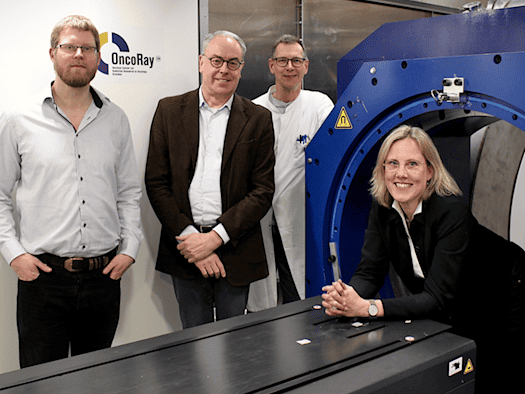
Irradiating a tumor while it moves with every breath is one of the major challenges in cancer treatment. Researchers in Dresden are working to solve this problem using a globally unique device and €1.1 million in research funding. | more
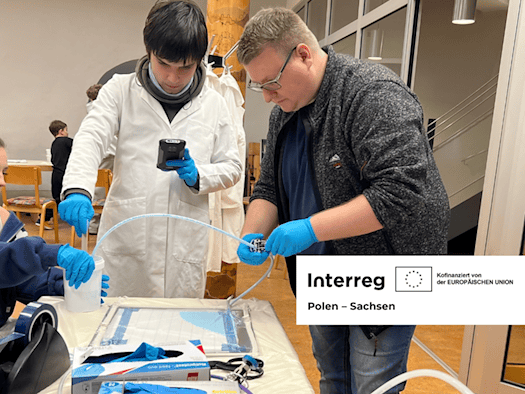
Nach zwei Jahren erfolgreicher Zusammenarbeit geht das INTERREG-Projekt „Grenzüberschreitende Experimentiergärten“ in die finale Phase. Am 4. November lädt das Technologie- und Gründerzentrum Bautzen zur Abschlusskonferenz „Impulse für die MINT-Bildung von morgen“ ein – ein Höhepunkt des Wissenschaftsjahres 2026. | more
Water is often taken for granted – until it becomes scarce. Researchers at the Helmholtz-Zentrum Dresden-Rossendorf are working in Leipzig and along the Elbe to better understand how water systems can be secured in the future. Backed by around nine million euros in funding and new research approaches, they are exploring ways to make cities and rivers more resilient to climate change. | more
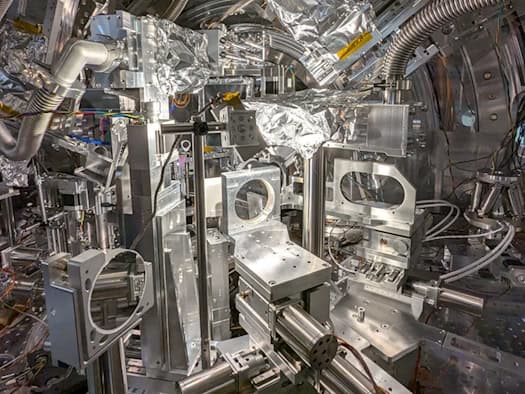
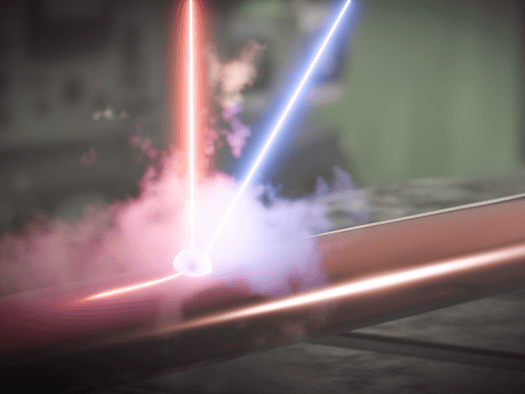
A hair-thin copper wire is struck by one of the world’s most powerful lasers – and vaporizes in trillionths of a second. Dresden researchers have captured the process in unprecedented detail, with implications for future fusion reactors. | more
Neue Kollektionen, neue Outlets und attraktive Angebote: In Schwarzheide-Mitte gibt es jetzt viel zu entdecken. Die Schulferien sind die ideale Gelegenheit, mit Familie oder Freunden durch die Shops zu bummeln und neue Lieblingsstücke für die kühleren Tage zu finden. | more
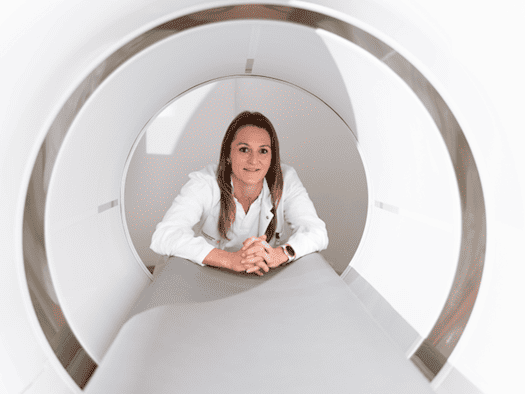
A single scan covering the entire body – this could soon become reality in Dresden. With EU funding, the Helmholtz-Zentrum Dresden-Rossendorf (HZDR) will receive a state-of-the-art whole-body PET scanner. The device could help detect cancer earlier while reducing radiation exposure for patients. | more
If radioactive substances enter the body, it can quickly become a medical emergency. Yet only very few drugs exist worldwide to treat such contamination. A doctoral researcher from Dresden is developing new compounds designed to remove radioactive elements from the body. He has now been awarded an international scholarship for his work. | more
Auf dem Weg zur Arbeit, beim Spaziergang durch Dresden oder beim Warten auf die nächste Bahn – überall können sie liegen: leere Pfandflaschen und Dosen. Für die meisten sind sie Müll, für andere ein kleiner Schatz. Genau daraus macht Pfandpirat eine digitale Schatzsuche, bei der Nutzer Fundorte entdecken, selbst Flaschen melden, Punkte sammeln und gemeinsam auf die Jagd gehen können. Hinter der ungewöhnlichen Idee steckt der Dresdner Sammy Zimmermanns. Wie aus herumliegenden Pfandflaschen ein echtes Spiel für die Stadt geworden ist, lesen Sie hier. | more
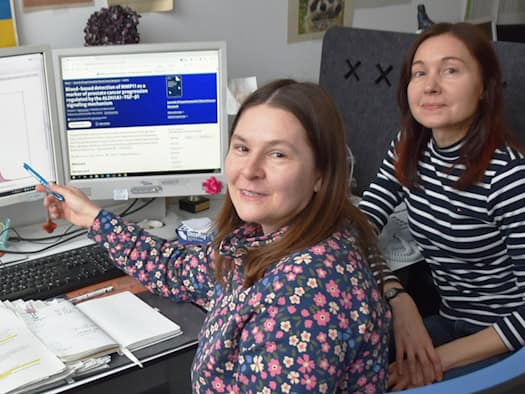
Researchers in Dresden have discovered a protein in the blood that reveals how aggressive a prostate tumor is. Following further tests, MMP11 could be used as a simple blood test in the future and make cancer therapy more targeted. | more
Turning sunlight into clean fuel - it sounds utopian, but it is getting closer. Researchers at CASUS in Görlitz have developed a new method with which solar materials can be specifically calculated and improved. A breakthrough for the energy transition? | more
Gute Nachrichten tun gut. In unserem freitäglichen Good Newsletter bündeln wir die Geschichten, die Mut machen, inspirieren und zeigen, was in Sachsen vorangeht. Jetzt abonnieren und positive Nachrichten direkt ins Postfach bekommen. | more
Radioactive substances such as americium can enter the human body in accidents and accumulate in the kidneys. Researchers at TU Dresden and the Helmholtz-Zentrum Dresden-Rossendorf have now for the first time systematically investigated what exactly this does there and how to get rid of the dangerous intruders. Their findings could improve treatment after radiation accidents. | more
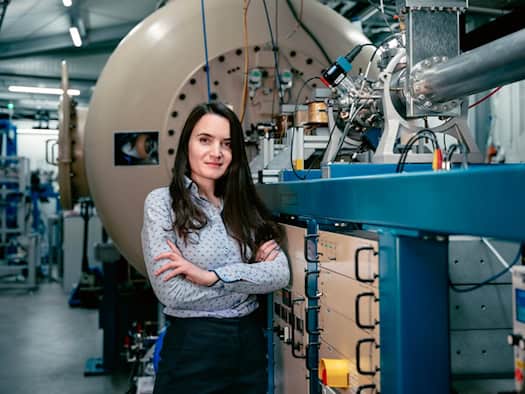
How was the carbon we are made of formed? Deep underground in Dresden, a young research team at the HZDR is trying to answer this age-old question - with a particle accelerator, high-tech measuring equipment and a laboratory in the rock. | more
In jedem Verein, in jeder Straße, in jedem Treppenhaus gibt es diesen einen Menschen, der einfach da ist – ohne Bezahlung, ohne Applaus, oft ohne ein einziges Dankeschön. DIE SACHSEN NEWS startet eine neue Serie und sucht genau diese Menschen: Sachsens Alltagshelden. Und die Chancen stehen gut, dass Sie selbst schon eine oder einen kennen. | more
Large batteries could store surplus wind and solar power and be cheap and durable at the same time. But many of these batteries age too quickly. Researchers from the Helmholtz-Zentrum Dresden-Rossendorf have now looked into a red-hot battery with X-rays and found out why. | more