


Drought Expert: We Need to Know Who Uses How Much Water
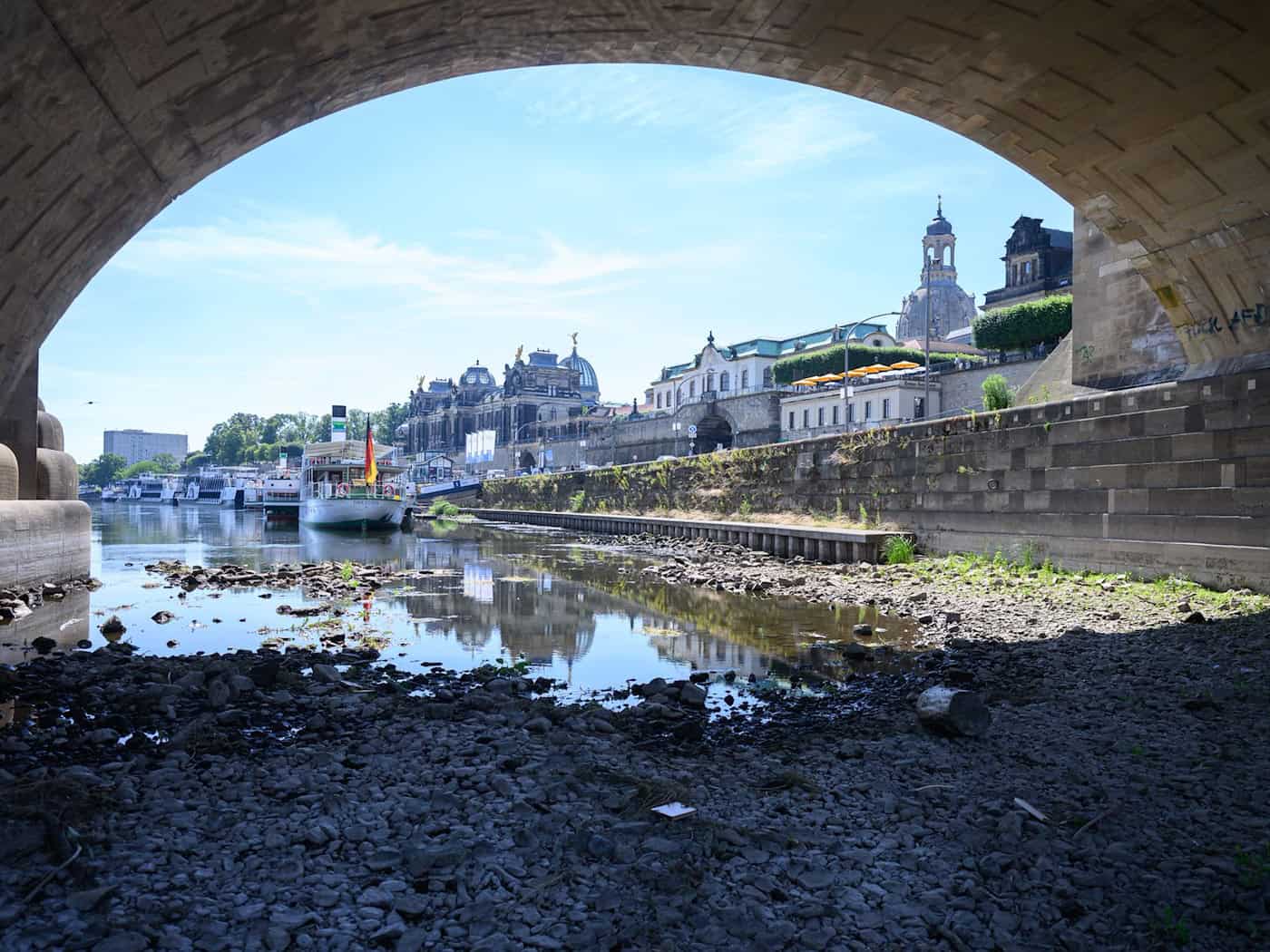
Hydrologist and drought expert Andreas Marx of the Helmholtz Center for Environmental Research in Leipzig is calling for comprehensive monitoring of groundwater and surface water use. In light of dry soils and low groundwater levels, the researcher believes that “we in Germany should finally have a system in place to monitor who is withdrawing how much water from the ground—from groundwater as well as surface waters—and when.” Marx heads the German Drought Monitor, a map of Germany updated daily with data and model calculations on soil moisture conditions. “The situation is that in most regions of Germany—and even among most industrial companies that hold water rights—we don’t know exactly how much water they are extracting or when,” explains the hydrologist. In the past, he notes, this simply was never necessary. However, the federal government had already identified this as one of its guiding principles in its national water strategy in 2023. Due to low precipitation, persistent drought, and low river levels, several districts and municipalities have imposed water withdrawal bans in recent weeks. In principle, drought and falling groundwater levels are normal in the summer. However, the current drought affecting the soil as a whole is more pronounced than usual in large parts of eastern and southern Germany following months with particularly low precipitation. Among other things, this results in medium- and long-term damage to forest stands that far exceeds the damage caused by forest fires, as Marx reports. “When Germany experiences a severe wildfire year, about 4,000 hectares of forest burn—but the losses caused by drought are on a completely different scale.” Marx notes that soil dryness is not a trend that proceeds in only one direction. There are significant regional differences. Furthermore, groundwater levels recovered in the much wetter years of 2023 and 2024. “First of all, we shouldn’t assume that Germany is drying out,” the researcher concludes. Numerous climate simulations suggest that Germany will still be a water-rich country even 50 years from now. “On the other hand, what we’re experiencing right now is a drought phase—an extreme event. This could very well last for over ten years.” Society is currently not optimally prepared for these conditions. Earlier this month, the associations of municipal utilities in Saxony, Brandenburg, and Berlin spoke out in favor of cross-state cooperation to address water management challenges in eastern Germany on the sidelines of their water congress in Dresden. Copyright 2026, dpa (www.dpa.de). All rights reservedDry soils cause more damage than wildfires
Researcher on the drought phase: “This could last for over ten years”

