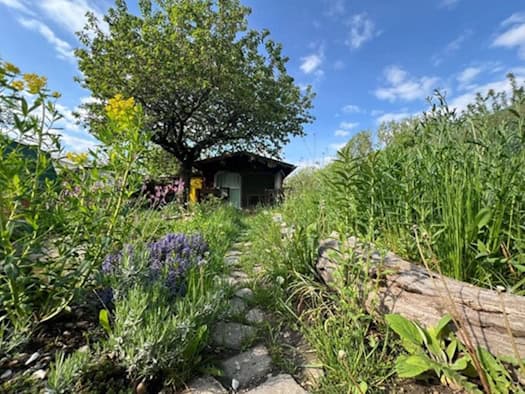
Tomatoes, roses, dandelions — almost every garden contains more plant diversity than you might expect. Yet the biodiversity of Germany’s gardens has hardly been studied so far. The GartenDiv project at Leipzig University wants to change that. On May 22, the citizen science project enters its second round — and anyone with a garden, balcony or school garden and a smartphone can take part. | more
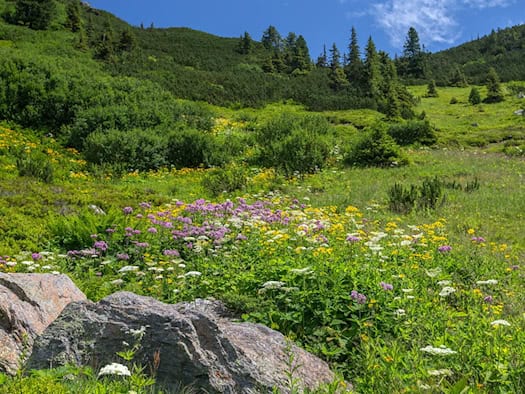
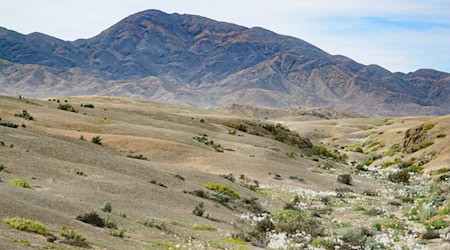
A silent change is underway on Europe’s mountain peaks. Cold-loving plants are disappearing there five times faster than in meadows or forests. In an international study, researchers from iDiv Leipzig and the Universities of Jena and Leipzig show that plant communities are not keeping pace with rising temperatures. Their findings suggest that the most visible changes may still be to come. | more
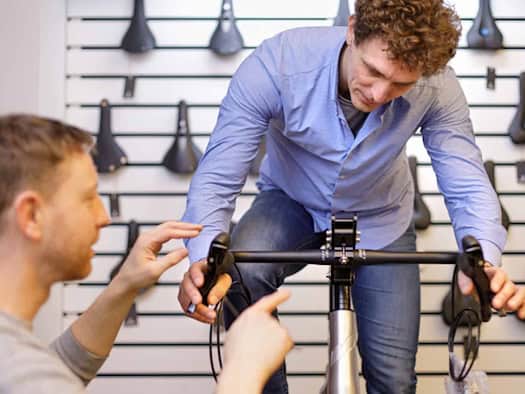
Rückenschmerzen, ein verspannter Nacken oder ein schmerzendes Gesäß können längere Radtouren schnell unangenehm machen. Häufig liegt das nicht am Fahrradfahren selbst, sondern daran, wie gut Fahrrad und Fahrer zusammenpassen. Vor allem Lenkerposition, Vorbaulänge, Oberkörperhaltung sowie Sattel und Sattelhöhe beeinflussen, wie komfortabel man unterwegs ist. | more
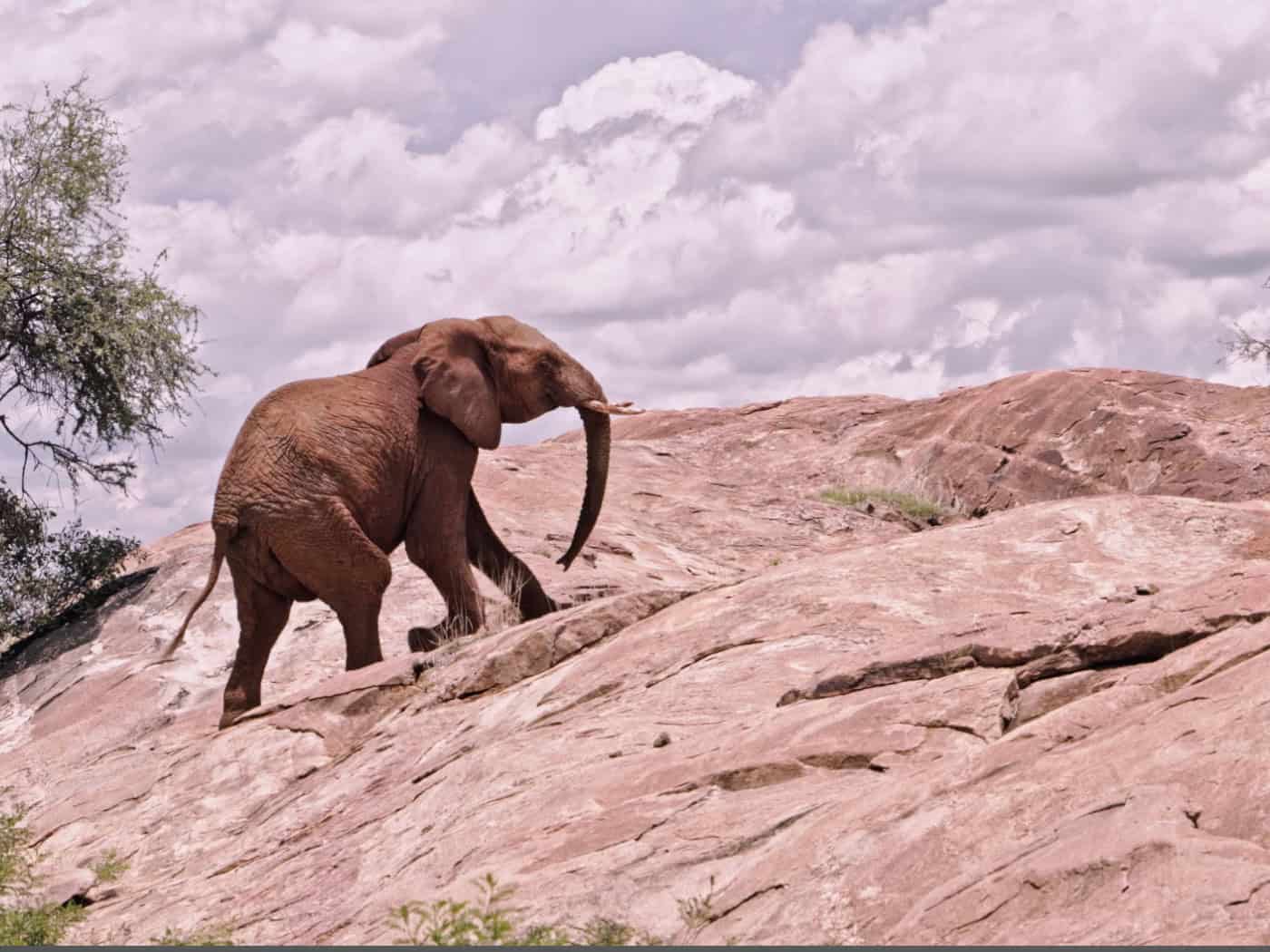
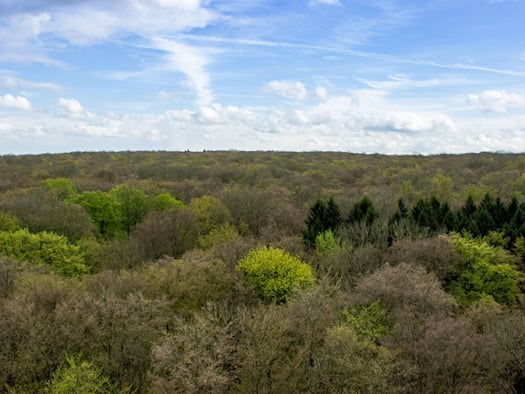
The green on Earth is increasing, but it is migrating. Researchers from Leipzig University, iDiv and the UFZ have calculated the Earth's "green center of gravity" for the first time. Their findings are surprising: the vegetation is shifting northwards in all seasons. What is behind this? | more
Europe has hundreds of programs to observe nature, but the data does not fit together. Researchers from iDiv Leipzig and the University of Halle want to change that: With a Europe-wide roadmap that combines satellites, DNA analyses and citizen observations. They want to finally know how our nature is really doing. | more
Large predatory fish are becoming rarer, while smaller species dominate. This has consequences for entire ecosystems. Researchers at iDiv Leipzig have analyzed data from almost 15,000 fish communities over decades. Their findings: food webs in oceans and rivers are changing worldwide, even where the number of species remains the same. Why this can pose a threat to bodies of water and what scientists are now calling for. | more
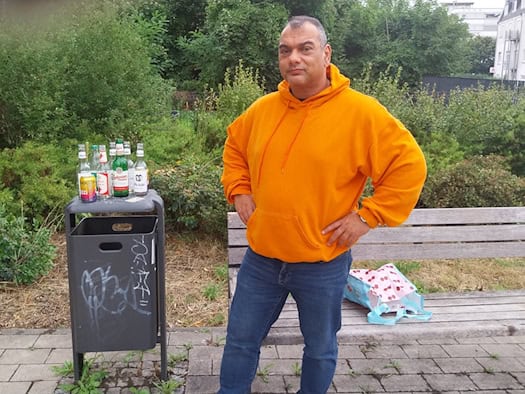
Auf dem Weg zur Arbeit, beim Spaziergang durch Dresden oder beim Warten auf die nächste Bahn – überall können sie liegen: leere Pfandflaschen und Dosen. Für die meisten sind sie Müll, für andere ein kleiner Schatz. Genau daraus macht Pfandpirat eine digitale Schatzsuche, bei der Nutzer Fundorte entdecken, selbst Flaschen melden, Punkte sammeln und gemeinsam auf die Jagd gehen können. Hinter der ungewöhnlichen Idee steckt der Dresdner Sammy Zimmermanns. Wie aus herumliegenden Pfandflaschen ein echtes Spiel für die Stadt geworden ist, lesen Sie hier. | more
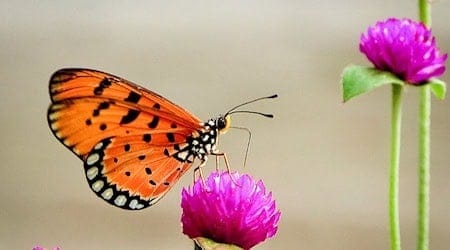
Vacation photos of colorful butterflies are not just beautiful memories - they can advance real science. Researchers from Leipzig and Jena have shown how images from social networks can help us understand the decline in biodiversity. Their result: surprisingly good. | more
Two billion people live in arid regions. Researchers from Leipzig have now investigated the conditions under which non-native plants spread around the world. Their findings: heavy grazing and nutrient-rich soils favor the invaders. A high diversity of species protects against this. | more
Gute Nachrichten tun gut. In unserem freitäglichen Good Newsletter bündeln wir die Geschichten, die Mut machen, inspirieren und zeigen, was in Sachsen vorangeht. Jetzt abonnieren und positive Nachrichten direkt ins Postfach bekommen. | more