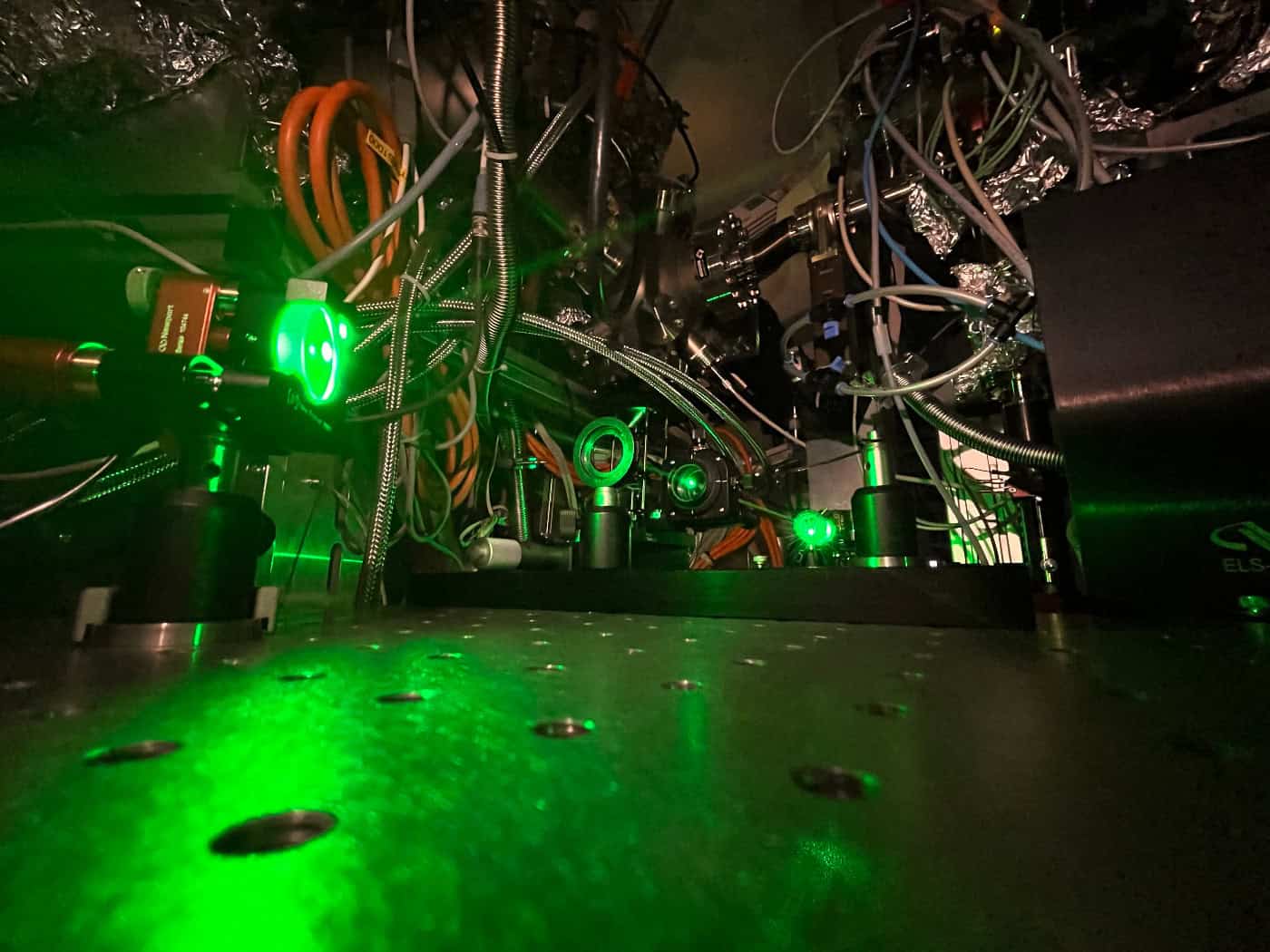
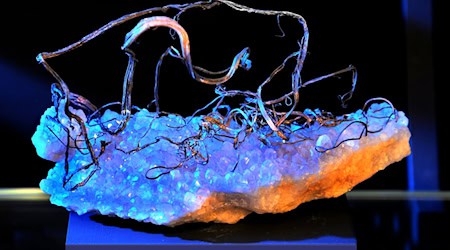
Electronic waste is growing unstoppably worldwide. One reason for this is printed circuit boards, which are difficult to recycle. A team at the TU Bergakademie Freiberg has now developed an alternative made from fungal mycelium that simply dissolves in water at the end of its life. Until now, the raw material for this has been discarded as waste in the citric acid industry. | more
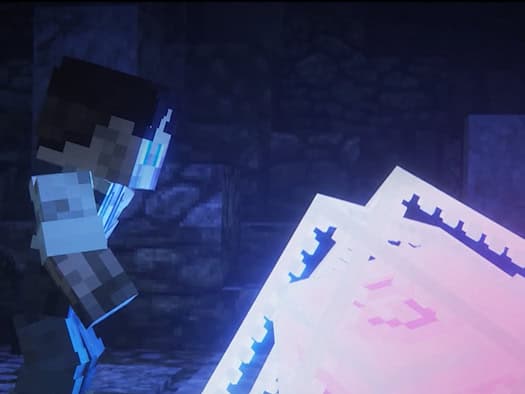
A university in Saxony is getting serious about gaming: The TU Bergakademie Freiberg has released "Countdown Freiberg." This Minecraft game guides young people through a digital version of Freiberg while addressing real-world questions about raw materials and sustainability. It combines gaming and research. | more
Nur bis zum 20. September warten in den Marken-Outlets Schwarzheide-Mitte zahlreiche zusätzliche Aktionen. Besonders spannend sind die drei neuen Stores von PUMA, MARC O’POLO und ONLY & SONS. Zum Finale verbindet der verkaufsoffene Sonntag Shopping und Wasserturmfest zu einem erlebnisreichen Familienausflug | more
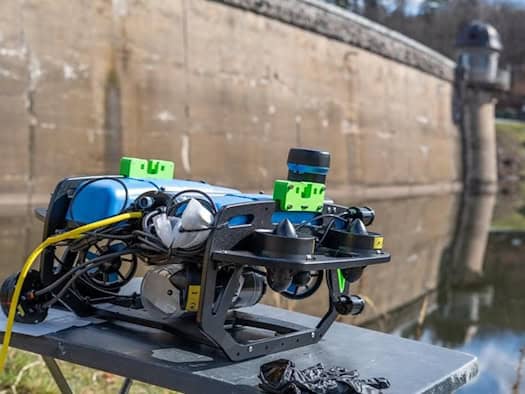
A robot dives where humans can hardly reach: along the underwater sides of dam walls. Researchers at TU Bergakademie Freiberg have developed it to detect cracks earlier, reduce costs, and improve water safety. | more
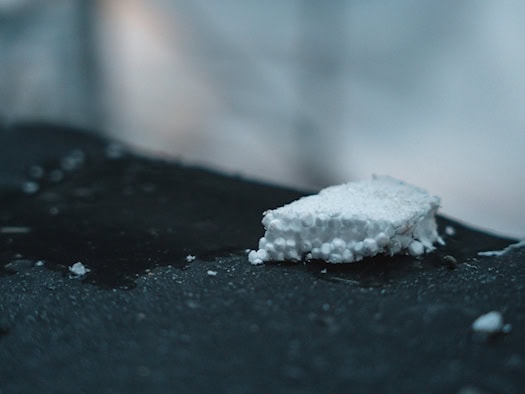
Styrofoam is used for packaging or in insulating materials. The starting product for this is styrene. This in turn is volatile, toxic and difficult to detect. Researchers at TU Bergakademie Freiberg are now developing a biosensor that makes the pollutant visible by changing color - cheaply, quickly and precisely. | more
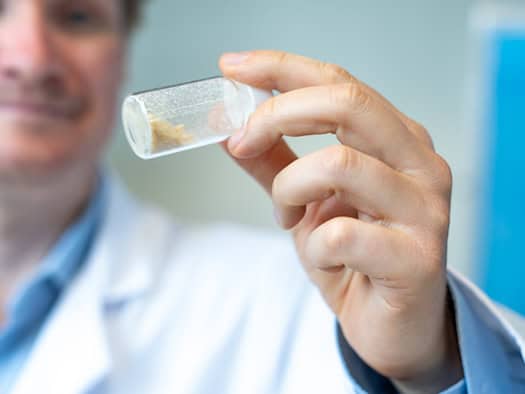
Old Saxon healing clay under a powerful X-ray beam and students from Freiberg are right in the middle of it. Master's students at the TU Bergakademie Freiberg are conducting research together with scientists at the Deutsches Elektronen-Synchrotron (DESY) in Hamburg. They want to find out what is in pressed clay plates from the 18th century - without damaging them. | more
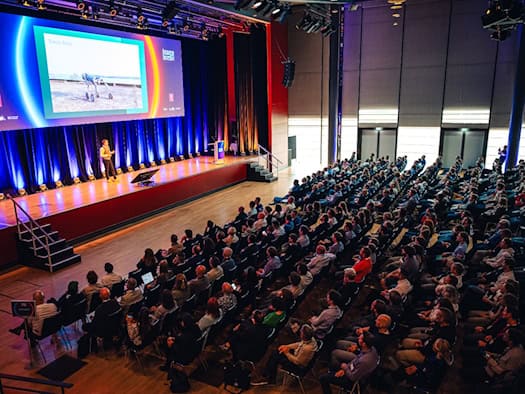
Am 14. und 15. September 2026 wird Dresden erneut zum Treffpunkt für angewandte Künstliche Intelligenz. Bei der Brains on Silicon 2026 im ICD Dresden sprechen Expertinnen und Experten von Unternehmen wie SAP, GitHub und You.com darüber, wie KI aus Pilotprojekten in echte Geschäftsprozesse kommt. | more
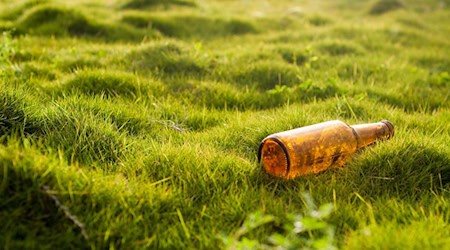
Brown bottles protect beer and medicines from light, but their production has a negative impact on the climate. A team from TU Bergakademie Freiberg has proven in the laboratory that amber glass can also be produced using electricity instead of natural gas. 86 percent less CO₂ would be possible. How this works and what the trick is with the "cold lid" on the red-hot melt. | more
A metal that is lighter than aluminum and yet is hardly used - this is now set to change. Researchers at TU Bergakademie Freiberg have spent three years working on making magnesium fit for industry. With hydrogen, clever processes and a new alloy, they have succeeded. The first prototypes prove it: This material has a future. | more
Medizin, die man anfassen kann – die interaktive Ausstellung „Medizin der Zukunft“ macht im TGZ Bautzen Station und lädt alle Neugierigen ein. Von Organzüchtung bis zur Blicksteuerung: Hier wird Zukunft nicht nur erklärt, sondern hautnah erlebbar. | more
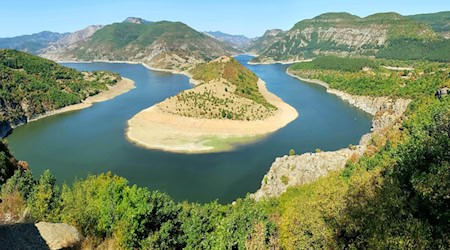
Like an elevator to the top: Researchers at TU Bergakademie Freiberg have used computer models to show how the Rhodope Mountains in Bulgaria were formed. Sunken rocks from the African plate rose again from a depth of 100 kilometers. The result: the mountain range is 40 million years old and therefore significantly younger than previously assumed. | more
High energy prices and climate protection - hydrogen is supposed to solve both problems. But the technology is expensive. Four Saxon universities are now developing fuel cells that can be reused. The "Hy²Cycle" project could advance the energy transition. | more
Schon wieder zu viel gegessen oder eine wichtige Aufgabe aufgeschoben? Oft reagieren wir auf solche Verhaltensweisen mit Selbstkritik. Doch damit bekämpfen wir meist nur das sichtbare Symptom – und übersehen, was wir in diesem Moment wirklich brauchen. | more
The Mineralogical Collections of the Freiberg Mining Academy are a feast for the eyes. They have now been honored at an international congress. | more