


The biological switch that Neanderthals didn't have
A vitamin that is particularly important for pregnant women. An enzyme that helps the body to detoxify harmful substances. And a small biological switch that Neanderthals apparently did not yet possess. Researchers at the Max Planck Institute for Evolutionary Anthropology in Leipzig have now discovered how far the traces of our extinct relatives reach and what they could still do in the body today.
Specifically, it is about an enzyme called NAT1. Enzymes are substances in the body that control and enable important processes. NAT1 has two tasks. It helps to break down folate, also known as vitamin B9. The vitamin is important for cell division and the development of unborn children. At the same time, NAT1 helps the body to detoxify harmful substances from the environment, for example carcinogenic substances from cigarette smoke.
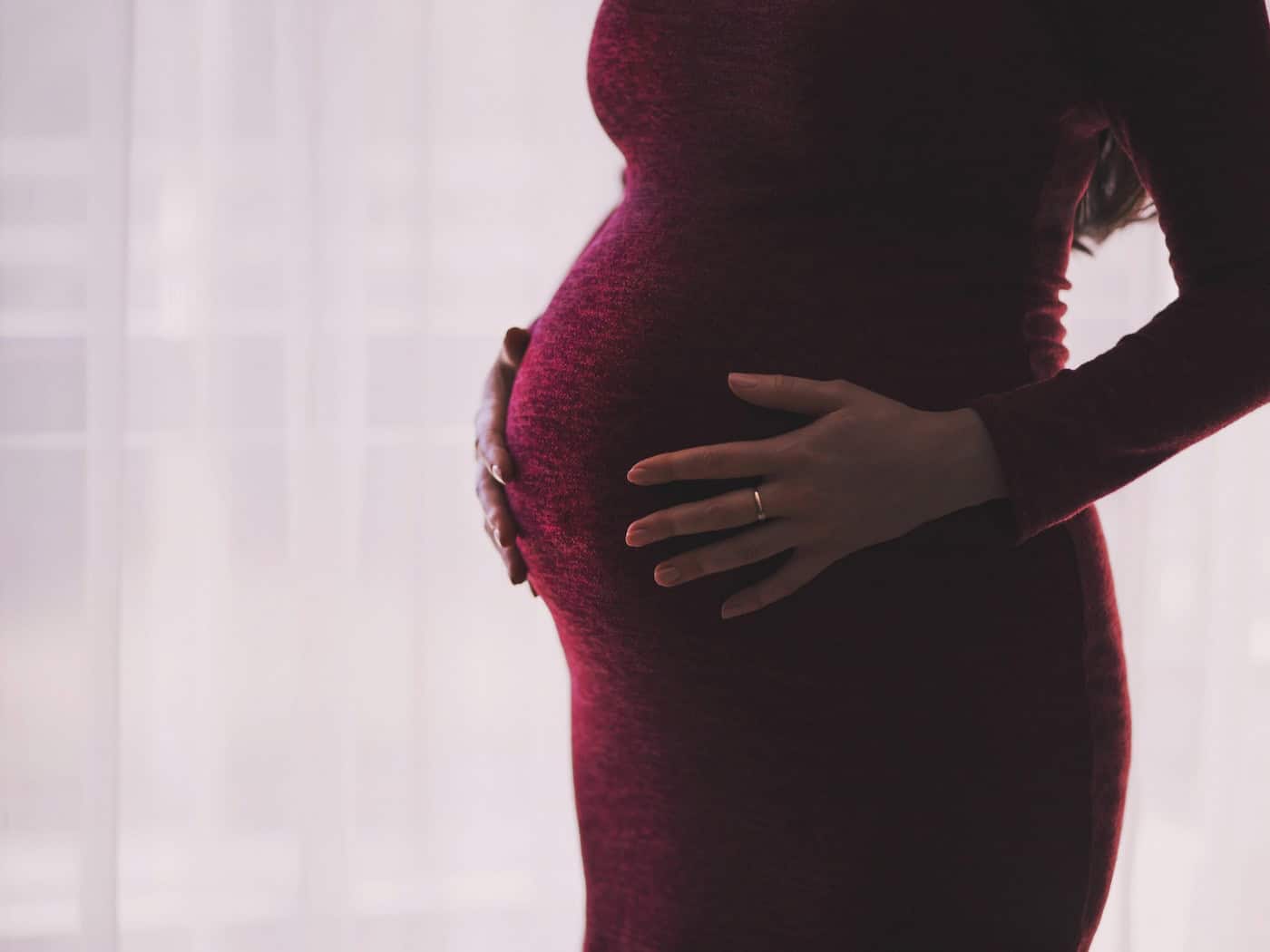
Folate is particularly important during pregnancy: too little of it increases the risk of malformations in the unborn child. The body has to do both: provide sufficient folate and break down harmful substances at the same time.
The switch that Neanderthals lacked
When the Leipzig researchers took a closer look at the enzyme, they discovered a special feature. The modern version of NAT1, which almost all modern humans carry, has a kind of molecular control switch. The enzyme can be provided with a small chemical signal at a certain point. This acts like a switch that reduces the activity of the enzyme. The Neanderthal version, on the other hand, cannot be controlled in this way.
"We tested both versions of the enzyme and found that they behave in the same way as long as this control site is not used," explains Luise Fast, first author of the study. "However, when we applied the chemical label to the modern human version, its activity decreased significantly. The older version cannot be regulated in this way."
Without this chemical signal, both variants of the enzyme worked almost identically in the experiments. Only when the switch was used did the difference become apparent.
What this could mean for pregnancy and nutrition
The researchers suspect that the switch may have helped modern humans to better conserve folate when less of it was consumed in the diet. This mechanism may have played an important role when humans began to eat more and more cooked food.
Cooking destroys folate. If the enzyme NAT1 can be throttled in certain situations, more folate is retained in the body. "In modern humans, this control mechanism could therefore have enabled a diet with less folate," says Hugo Zeberg, senior author of the study. However, he emphasizes that this is only a scientific hypothesis so far. Further studies will now investigate whether this hypothesis can be confirmed.
Around two percent of all humans alive today still carry the older Neanderthal version of NAT1. This variant was passed on when Homo sapiens and Neanderthals met around 50,000 years ago and had children together. The study thus provides another example of how characteristics of our extinct relatives can still have an effect on our genetic material today.

