
Researchers from Leipzig have discovered a biological control mechanism that occurs in most modern humans but was absent in Neanderthals. It could have helped to maintain an important vitamin in the body. | more
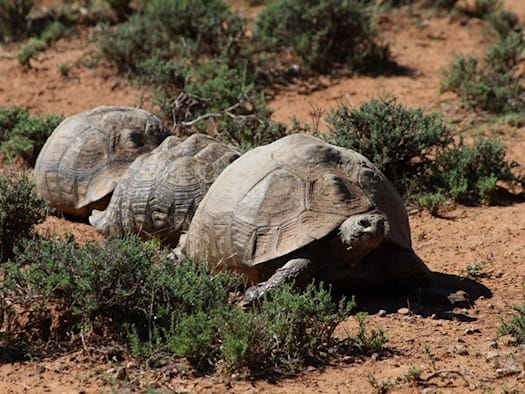
Panther tortoises are often poached in South Africa, and when they are rescued, their origins are usually unclear. A Dresden researcher is using DNA to track illegal wildlife trade – and help 27 animals return to the wild. | more
Morgens zur Arbeit, am Wochenende über Schotter oder eines Tages mit Gepäck bis ans andere Ende der Welt: Wer viel mit seinem Fahrrad vorhat, braucht eines, das genau zu einem passt. Meißner Raeder baut in Dresden Fahrräder nach Maß, die exakt zu ihrem Besitzer passen und auf seine Bedürfnisse abgestimmt sind. | more
Dogs were already living alongside humans more than 14,000 years ago. A new international study, involving the Max Planck Institute in Leipzig, shows how advanced genetic methods are reshaping the history of our closest animal companion. | more
The head of the Association of Statutory Health Insurance Physicians in Saxony has commented on human genetics in a foreword and spoken of "eugenics". This has been met with criticism. There are calls for consequences. | more