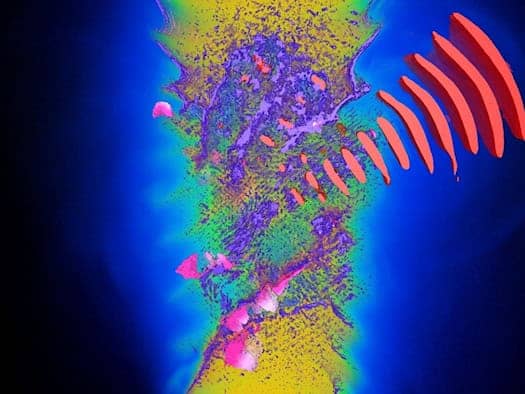
HZDR researchers from Dresden and Görlitz have been selected as the only non-American team to receive early access to the U.S. supercomputer Discovery. Their AI-powered simulation program, PIConGPU, could help improve cancer treatments and generate clean energy. | more
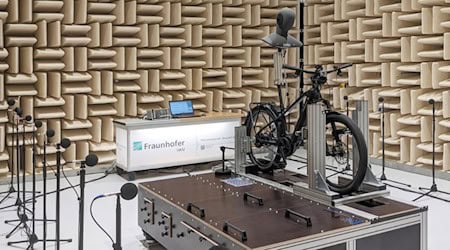
Rattling and cracking noises spoil the joy of a new e-bike. Researchers at the Fraunhofer IWU Dresden have developed a test bench that detects annoying noises at the prototype stage. This enables manufacturers to optimize their premium bikes in a targeted manner and bring them to series production. | more
Gute Nachrichten tun gut. In unserem freitäglichen Good Newsletter bündeln wir die Geschichten, die Mut machen, inspirieren und zeigen, was in Sachsen vorangeht. Jetzt abonnieren und positive Nachrichten direkt ins Postfach bekommen. | more
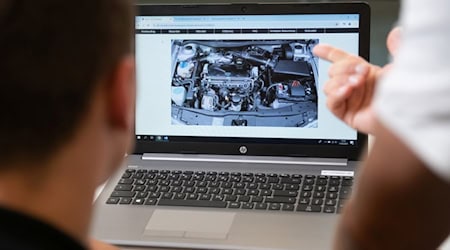
Fault diagnosis on the screen instead of just under the hood: 100 trainee automotive mechatronics technicians in Dresden are the first to test a digital examination station. TU Dresden has developed the computer simulation to make journeyman's exams fairer and more comparable. Nevertheless, the trade remains important. | more
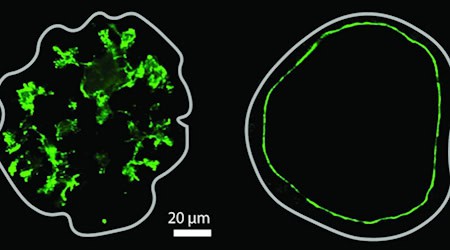
How does the branched network of cavities in our pancreas develop? Researchers at the Max Planck Institute of Molecular Cell Biology and Genetics in Dresden have found out using mini-organs and computer simulations. Their findings could pave the way for new therapies. | more
Many things seem to be predetermined, others happen by chance. Does everyone react differently to events? Why? Are we humans part of a simulation? | more
Die Ostsächsischen Maschinenbautage widmen sich am 28. und 29. Oktober dem Thema „Robotik im Maschinenbau“ und zeigen, wie Automatisierung und Nachhaltigkeit für kleine und mittlere Unternehmen zusammengehen. Nutzen Sie Kolloquium, Kooperationsbörse und Unternehmensbesichtigungen, um wertvolle Kontakte zu knüpfen und die grüne Zukunft des Grenzraums mitzugestalten. | more