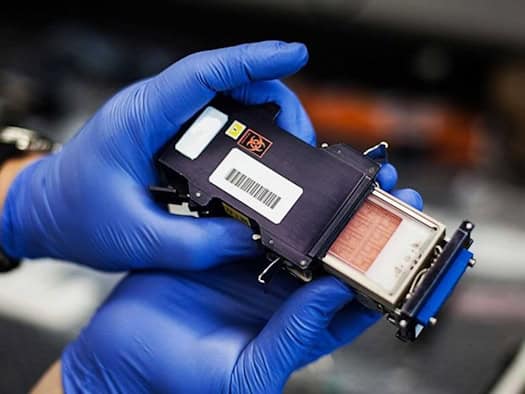
Dresden researchers are sending tiny, laboratory-grown mini-livers into space. What weightlessness does to liver tissue should not only protect astronauts - but also open up new avenues in medicine. | more
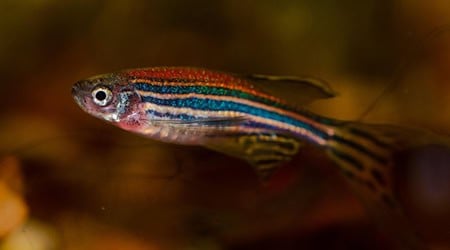
A flash of electricity in milliseconds, followed by a chemical wave and the tissue begins to grow. Researchers at TU Dresden and the Max Planck Institute have discovered how electrical signals control the healing of organs. A small fish provided the decisive insights. | more
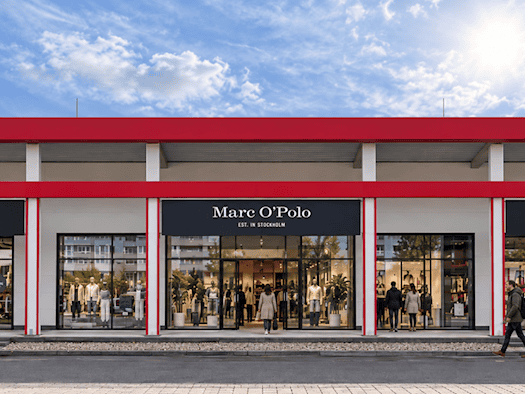
Neue Kollektionen, neue Outlets und attraktive Angebote: In Schwarzheide-Mitte gibt es jetzt viel zu entdecken. Die Schulferien sind die ideale Gelegenheit, mit Familie oder Freunden durch die Shops zu bummeln und neue Lieblingsstücke für die kühleren Tage zu finden. | more
Every human being begins as a single cell. Researchers at TU Dresden have now deciphered how this becomes a complete organism. Their discovery: the first cell divisions function through controlled chaos. Thread-like structures called microtubules divide the cell material - although they are actually unstable. The study published in Nature also shows why different animal species use different developmental strategies. | more
Violet light on, blue light off: Researchers at Leipzig University and TU Dresden have developed molecular switches that control bodily functions using light pulses. The scientists can use them to activate nerve cells, regulate adrenaline release and control intestinal movements. The new method could help to better understand diseases and develop new therapies. | more
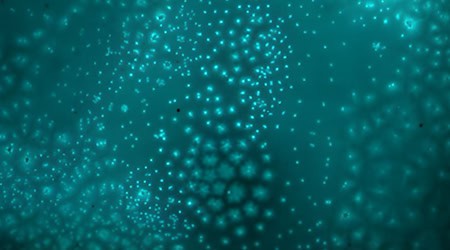
How do cells divide when they are too big for the classic mechanism? Researchers at TU Dresden have discovered a surprising trick of nature in zebrafish embryos. A rhythmic alternation between solid and liquid states inside the cell enables division over several cycles. The discovery changes our understanding of one of the most fundamental processes of life. | more
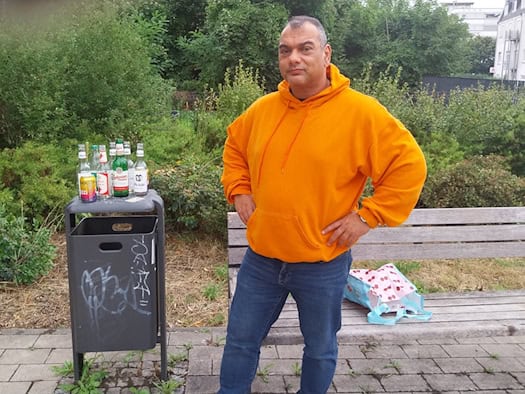
Auf dem Weg zur Arbeit, beim Spaziergang durch Dresden oder beim Warten auf die nächste Bahn – überall können sie liegen: leere Pfandflaschen und Dosen. Für die meisten sind sie Müll, für andere ein kleiner Schatz. Genau daraus macht Pfandpirat eine digitale Schatzsuche, bei der Nutzer Fundorte entdecken, selbst Flaschen melden, Punkte sammeln und gemeinsam auf die Jagd gehen können. Hinter der ungewöhnlichen Idee steckt der Dresdner Sammy Zimmermanns. Wie aus herumliegenden Pfandflaschen ein echtes Spiel für die Stadt geworden ist, lesen Sie hier. | more
Don't miss the 31st Leipzig Alluvial Forest Day on April 16 and discover the Alluvial Forest Species 2025 at the School Biology Center. | more