


Smart chips from Saxony for the medical technology of tomorrow
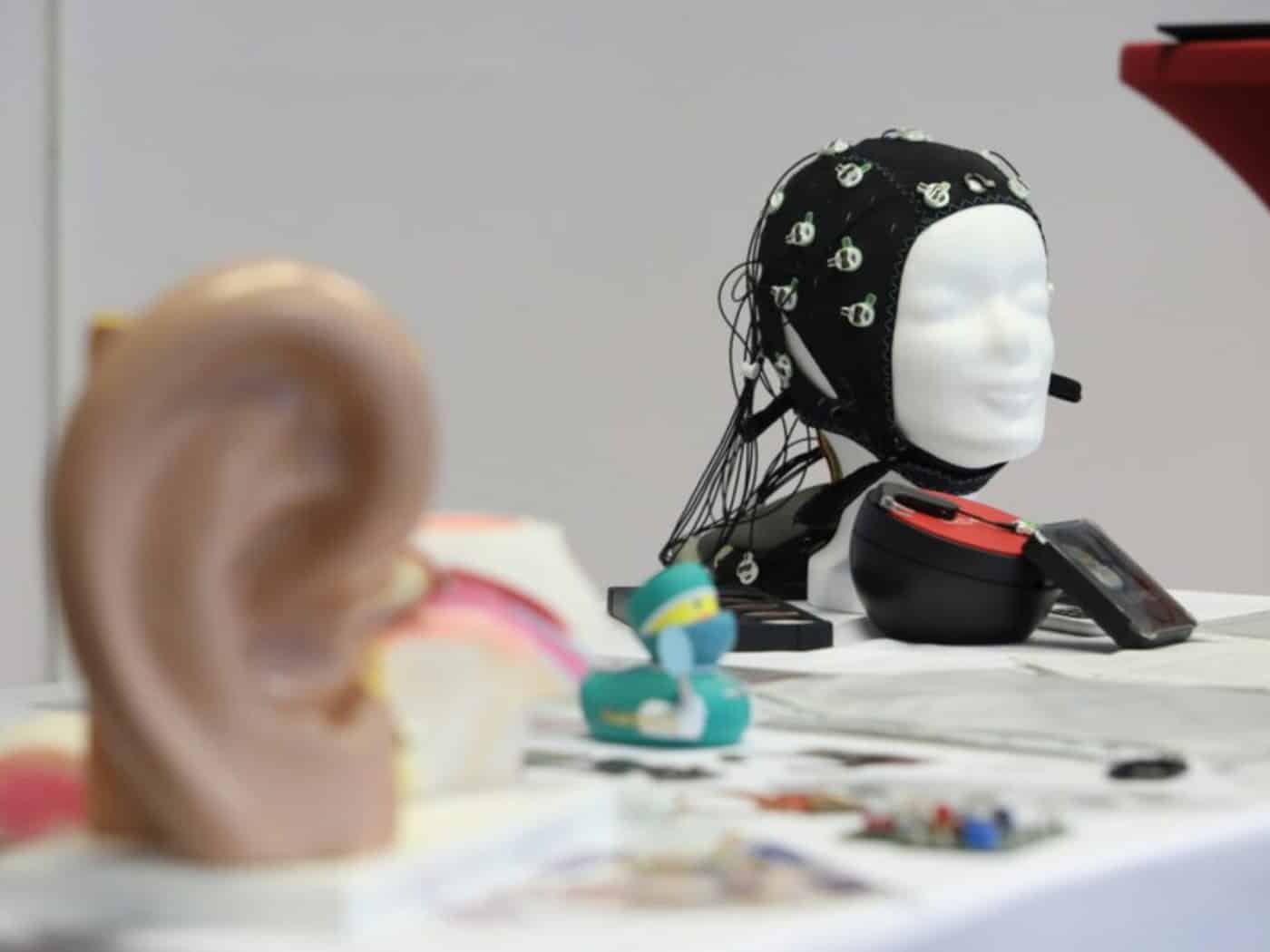
Sometimes, a tiny piece of silicon is behind a life-changing invention. Semiconductors—microscopically small electronic components—are found today in smartphones, cars, and washing machines. Soon, they will also be working deep within the human body, helping people hear better, measure vital signs, or receive safe treatment in hospitals. The SEMECO Future Cluster in Dresden is conducting research on the medical technology of tomorrow.
The cluster brings together science and industry from across Saxony. It is now receiving up to 15 million euros in funding over the next three years from the Federal Ministry of Research, Technology, and Space. In addition, the Free State of Saxony is providing funds from the European ERDF.
What exactly SEMECO is developing
The focus is on medical semiconductors. These are specialized microsystems that combine sensors, data processing, secure communication, and artificial intelligence into a single tiny component. The researchers are using these to develop a kind of modular system for medical devices. Individual components are designed to be flexibly combined, shortening the path from research to practical application.
In doing so, SEMECO is addressing a key challenge in medical technology. New devices often take many years to be developed, tested, and approved. Standardized modules are intended to accelerate this process.
They are designed, for example, for portable ultrasound devices that doctors can use as easily as a smartphone. Or for implants that help people who are deaf or have speech impairments. Smart infusion systems for hospitals are also included.
"In the first funding phase, we were able to demonstrate that the close integration of semiconductor and communication technologies enables new medical technology applications. In the second funding phase, we are focusing even more strongly on the application, standardization, and market launch of medical semiconductors," say cluster spokespersons Prof. Gerhard Fettweis and Prof. Jochen Hampe. Saxony aims to establish itself as a leading region for medical microelectronics in Europe.
Saxony as a Hub for Innovation
Saxony has always been a stronghold of semiconductor manufacturing. SEMECO aims to carry this legacy over into medical technology. Frank Bösenberg, Managing Director of Silicon Saxony, the network of the Saxon semiconductor industry, sees this as a strategic move: "SEMECO is now taking a decisive step forward and laying the foundation for a new generation of intelligent cyber-medical systems."
Security is particularly important in this context. Medical devices that send or receive data must be protected against hacker attacks and tampering. At the same time, new technologies should find their way into doctors’ offices and hospitals more quickly. SEMECO is therefore working to jointly develop security, communication technology, and medical requirements from the very beginning.
SEMECO is currently showcasing its latest results at the Silicon Saxony Days in Dresden. These include mobile ultrasound technology, methods for AI training that comply with data protection regulations, intelligent infusion systems, and the secure transmission of vital data via Bluetooth and 5G in real time.

