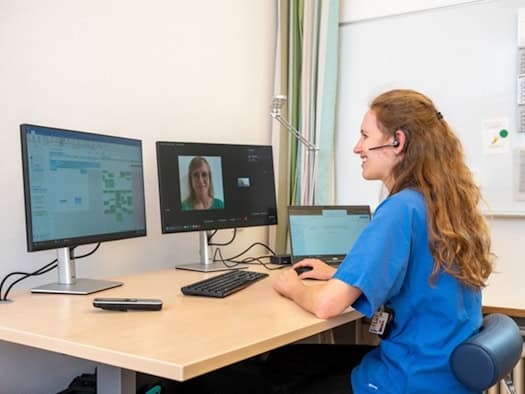
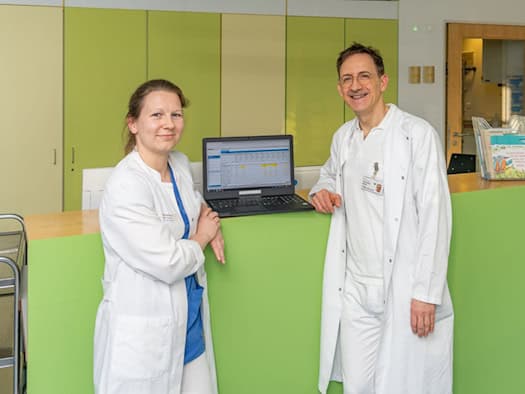
Children with cancer often have to go to the hospital during chemotherapy. A study now shows that many of these appointments can safely be replaced with video consultations, which significantly eases the burden on families. | more
A slightly elevated blood level, but no symptoms. Nevertheless, many people with mild hypothyroidism take levothyroxine for years. A study conducted in Dresden, Leipzig, and Cottbus is now investigating whether the medication can be safely discontinued in many cases. | more
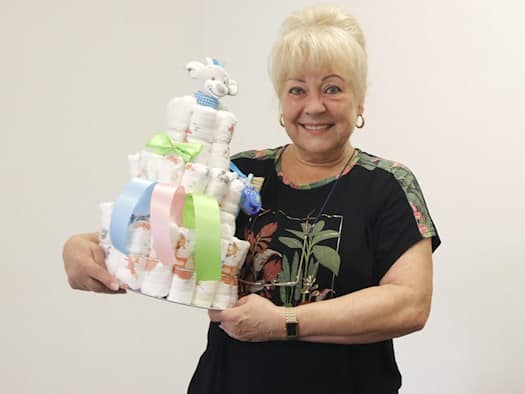
In Dresden-Pieschen fertigt Andrea Rehn im Zentralwerk personalisierte Geschenke für frischgebackene Eltern und deren Familien. Besonders gefragt sind bestickte Windeln mit Geburtsdaten sowie kreative Windeltorten – und das nicht nur online, sondern auch deutschlandweit über DM-Märkte. Jetzt gibt es 10 Prozent Rabatt im Shop. | more
An AI agent that independently analyzes patient records, orders tests, and prepares diagnoses: Researchers at TU Dresden and the University Hospital have developed MIRA. In a series of tests, the system even surpassed doctors in diagnostic accuracy. | more
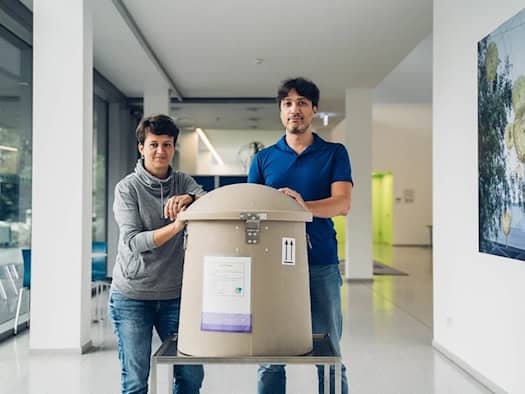
Blood, urine, tissue samples: The BioBank Dresden at the University Hospital stores biological material deep-frozen in order to advance the medicine of tomorrow. Since 2022 also from children and adolescents. A new research project is using these samples to better understand Long COVID in children, for example. | more
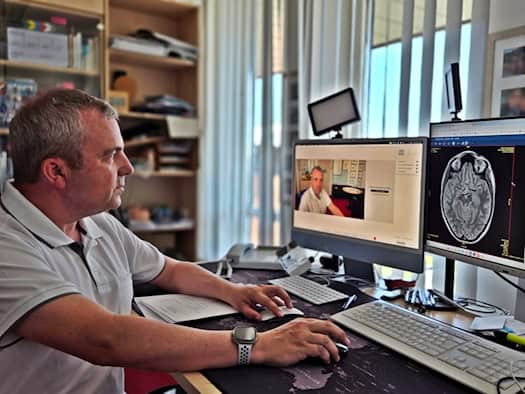
For people with multiple sclerosis in rural areas, access to specialized medical care is often difficult. Dresden University Hospital is now launching a pilot project that brings neurological expertise directly to patients via video consultation. | more
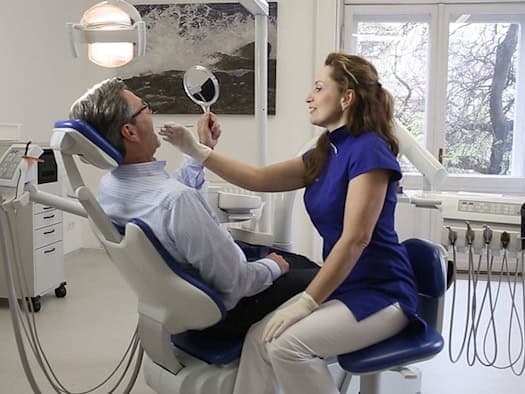
Zahnbehandlungen können in Deutschland schnell zur finanziellen Belastung werden. Besonders bei Implantaten, Kronen, Brücken oder umfangreichem Zahnersatz liegen die Kosten häufig im vierstelligen Bereich. Viele Patienten stehen dann vor einer schwierigen Entscheidung: Behandlung durchführen lassen und hohe Eigenanteile zahlen – oder den Eingriff aufschieben, obwohl er medizinisch sinnvoll wäre. | more
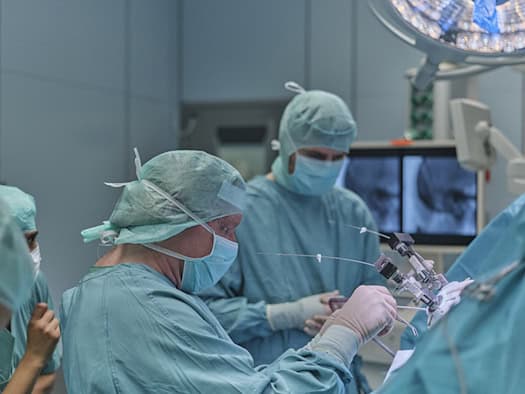
At Leipzig University Hospital, tailor-made surgical tools are being produced using 3D printing to make operations more precise and less invasive. Now the team is already working on the next step: smart glasses that project patient data directly into the surgeon’s field of view. | more
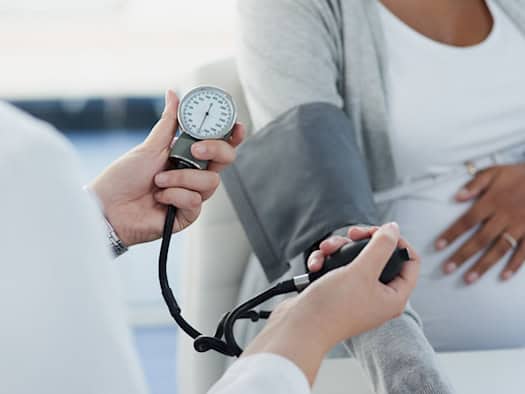
Pre-eclampsia, a serious complication during pregnancy, has so far had few treatment options. Researchers at Leipzig University Medicine have now tested a new therapeutic approach in patients for the first time. The early results are promising. | more
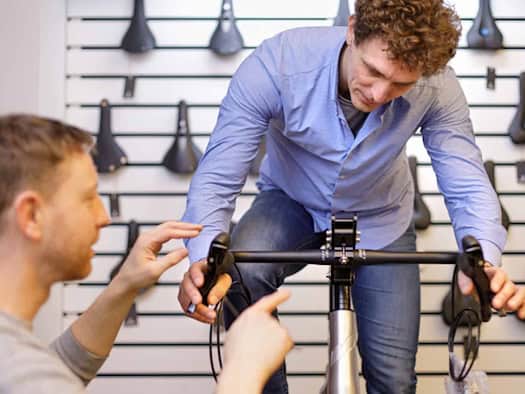
Rückenschmerzen, ein verspannter Nacken oder ein schmerzendes Gesäß können längere Radtouren schnell unangenehm machen. Häufig liegt das nicht am Fahrradfahren selbst, sondern daran, wie gut Fahrrad und Fahrer zusammenpassen. Vor allem Lenkerposition, Vorbaulänge, Oberkörperhaltung sowie Sattel und Sattelhöhe beeinflussen, wie komfortabel man unterwegs ist. | more
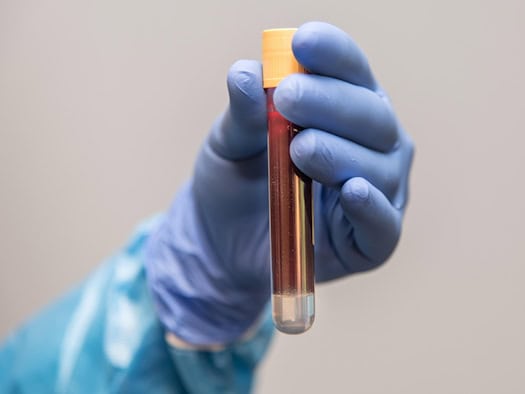
A simple blood test at the pediatrician’s can change lives. The Fr1da study in Dresden looks for early signs of type 1 diabetes — long before children develop symptoms. The results are promising. Now the program is being expanded to twelve federal states. | more
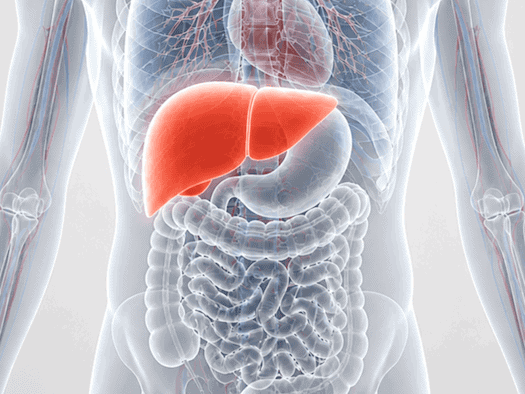
More than 200,000 people in Germany are newly diagnosed with liver cirrhosis each year. A team of doctors in Dresden has now used an advanced stent for the first time worldwide outside of a clinical study — it is expected to improve treatment for patients. | more
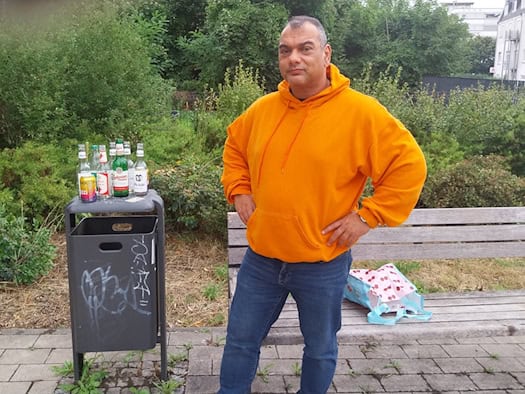
Auf dem Weg zur Arbeit, beim Spaziergang durch Dresden oder beim Warten auf die nächste Bahn – überall können sie liegen: leere Pfandflaschen und Dosen. Für die meisten sind sie Müll, für andere ein kleiner Schatz. Genau daraus macht Pfandpirat eine digitale Schatzsuche, bei der Nutzer Fundorte entdecken, selbst Flaschen melden, Punkte sammeln und gemeinsam auf die Jagd gehen können. Hinter der ungewöhnlichen Idee steckt der Dresdner Sammy Zimmermanns. Wie aus herumliegenden Pfandflaschen ein echtes Spiel für die Stadt geworden ist, lesen Sie hier. | more
Dresden researchers isolate stem cells from the umbilical cords of healthy newborns that could save lives. A recent study suggests that the cells developed at University Hospital Carl Gustav Carus may reduce mortality in severe COVID-19. They are now also being tested in patients with sepsis. | more
Migraine attacks return several times a month for many patients. Yet millions of people still do not receive treatment tailored to their needs. The MIGRA-MD study aims to change this with a digital, personalised approach. Dresden University Hospital is taking part and is looking for participants from the region. | more
Gute Nachrichten tun gut. In unserem freitäglichen Good Newsletter bündeln wir die Geschichten, die Mut machen, inspirieren und zeigen, was in Sachsen vorangeht. Jetzt abonnieren und positive Nachrichten direkt ins Postfach bekommen. | more
Millions of women experience severe irritability, anxiety and deep depression every month – shortly before their period. A research team from Leipzig has now shown for the first time that an altered morning stress hormone response may play a role. The findings could help scientists better understand a condition that has long been underestimated. | more
Patients with an aggressive form of blood cancer, acute myeloid leukemia, previously had little chance of recovery when the disease returned. Researchers in Dresden have changed this. With a new combination of therapies, three times as many patients now achieve the decisive step towards a cure. | more
In jedem Verein, in jeder Straße, in jedem Treppenhaus gibt es diesen einen Menschen, der einfach da ist – ohne Bezahlung, ohne Applaus, oft ohne ein einziges Dankeschön. DIE SACHSEN NEWS startet eine neue Serie und sucht genau diese Menschen: Sachsens Alltagshelden. Und die Chancen stehen gut, dass Sie selbst schon eine oder einen kennen. | more
Blood cancer affects tens of thousands of people in Germany. For many, a stem cell transplant is the last hope. But which preparation for this procedure helps the most, especially for older or previously ill patients? Researchers at Dresden University Hospital and Kiel University Hospital now want to find out in the largest German study of its kind. | more
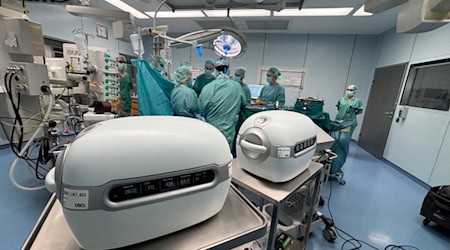
Leipzig University Hospital was the first clinic in Germany to perform two kidney transplants using a new method. With mechanical perfusion, the organs are continuously supplied with nutrients during transportation. The procedure is intended to reduce damage to the transplant and increase patient safety. | more
In Dresden-Pieschen fertigt Andrea Rehn im Zentralwerk personalisierte Geschenke für frischgebackene Eltern und deren Familien. Besonders gefragt sind bestickte Windeln mit Geburtsdaten sowie kreative Windeltorten – und das nicht nur online, sondern auch deutschlandweit über DM-Märkte. Jetzt gibt es 10 Prozent Rabatt im Shop. | more
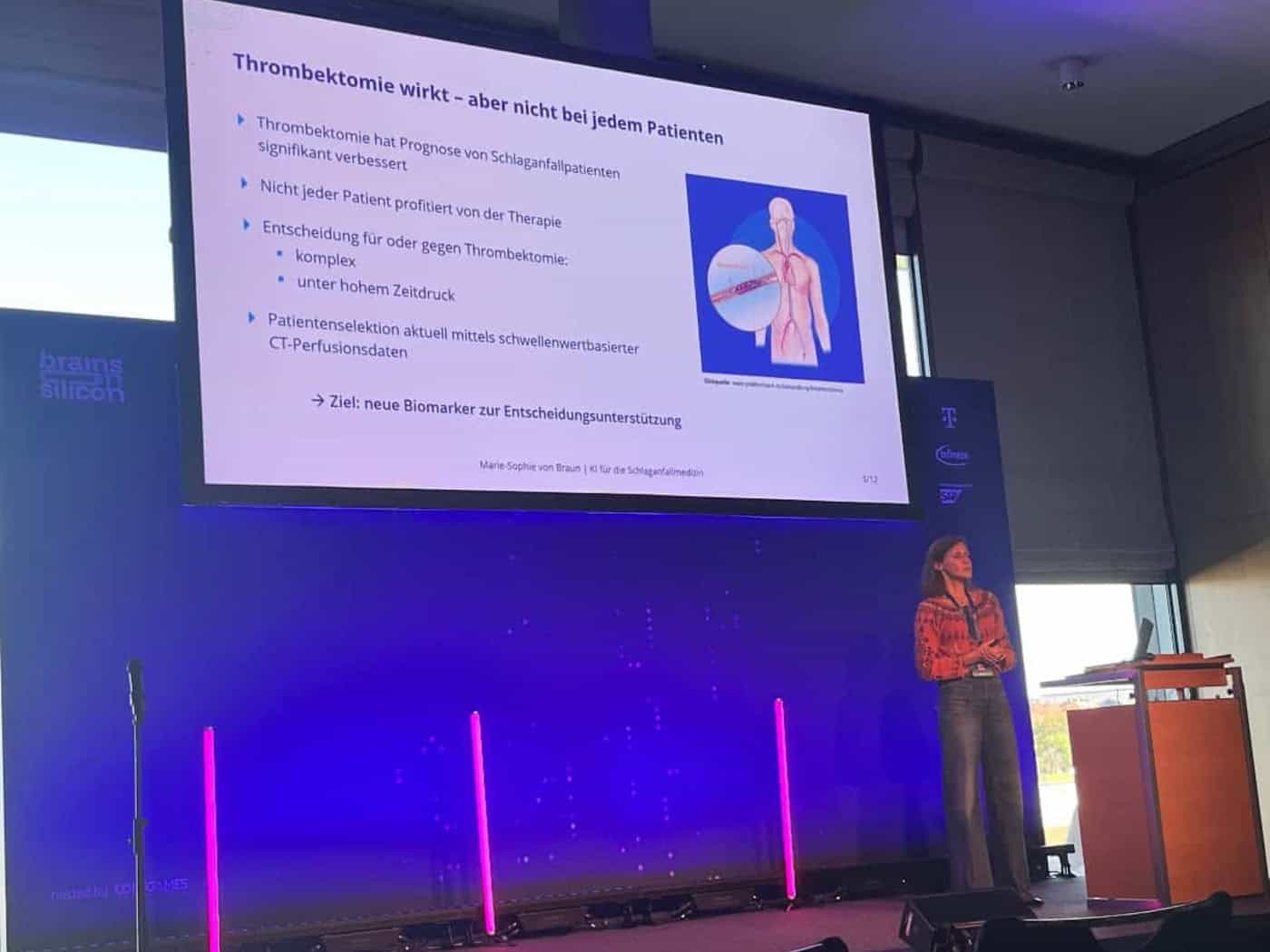
Around one in three stroke patients suffers a relapse - often just a few days after the initial cerebral infarction. Doctors at TU Dresden are now starting a large nationwide study with 2,100 participants. They want to find out whether a combination of two drugs provides better protection against a second stroke than the current standard therapy. The Federal Ministry of Research is funding the project with three million euros. | more
Every year, 75,000 people in Germany die from sepsis. Many deaths could be avoided. Leipzig University Hospital is now launching a nationwide project with 7.5 million euros in funding to improve treatment. The researchers want to digitally link all treatment data and use modern pathogen diagnostics to detect dangerous progressions earlier. Partners are university hospitals from four other cities. | more
Zahnbehandlungen können in Deutschland schnell zur finanziellen Belastung werden. Besonders bei Implantaten, Kronen, Brücken oder umfangreichem Zahnersatz liegen die Kosten häufig im vierstelligen Bereich. Viele Patienten stehen dann vor einer schwierigen Entscheidung: Behandlung durchführen lassen und hohe Eigenanteile zahlen – oder den Eingriff aufschieben, obwohl er medizinisch sinnvoll wäre. | more
Uwe Platzbecker will become the new Medical Director at Dresden University Hospital in 2025, succeeding Michael Albrecht. | more
The blood bank at Leipzig University Hospital (UKL) is urgently looking for blood donors due to the current wave of colds and increased requests around Christmas and New Year. The stock of life-saving blood products has fallen by more than a third. | more
Rückenschmerzen, ein verspannter Nacken oder ein schmerzendes Gesäß können längere Radtouren schnell unangenehm machen. Häufig liegt das nicht am Fahrradfahren selbst, sondern daran, wie gut Fahrrad und Fahrer zusammenpassen. Vor allem Lenkerposition, Vorbaulänge, Oberkörperhaltung sowie Sattel und Sattelhöhe beeinflussen, wie komfortabel man unterwegs ist. | more