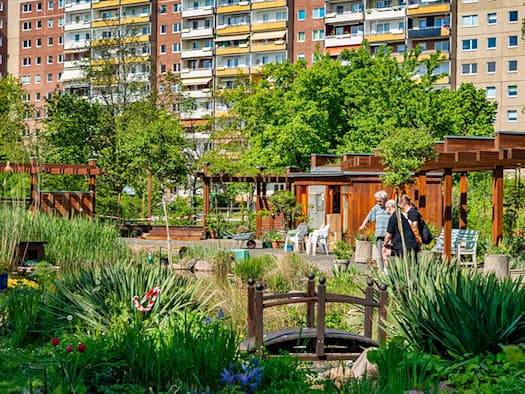
Leipzig’s Grünau district is celebrating its 50th anniversary. But how do people there actually feel today? A long-term study by the Helmholtz Centre for Environmental Research (UFZ) shows that many residents feel comfortable in their own homes, while litter, safety concerns and a growing sense of neglect are shaping perceptions of the neighborhood. | more
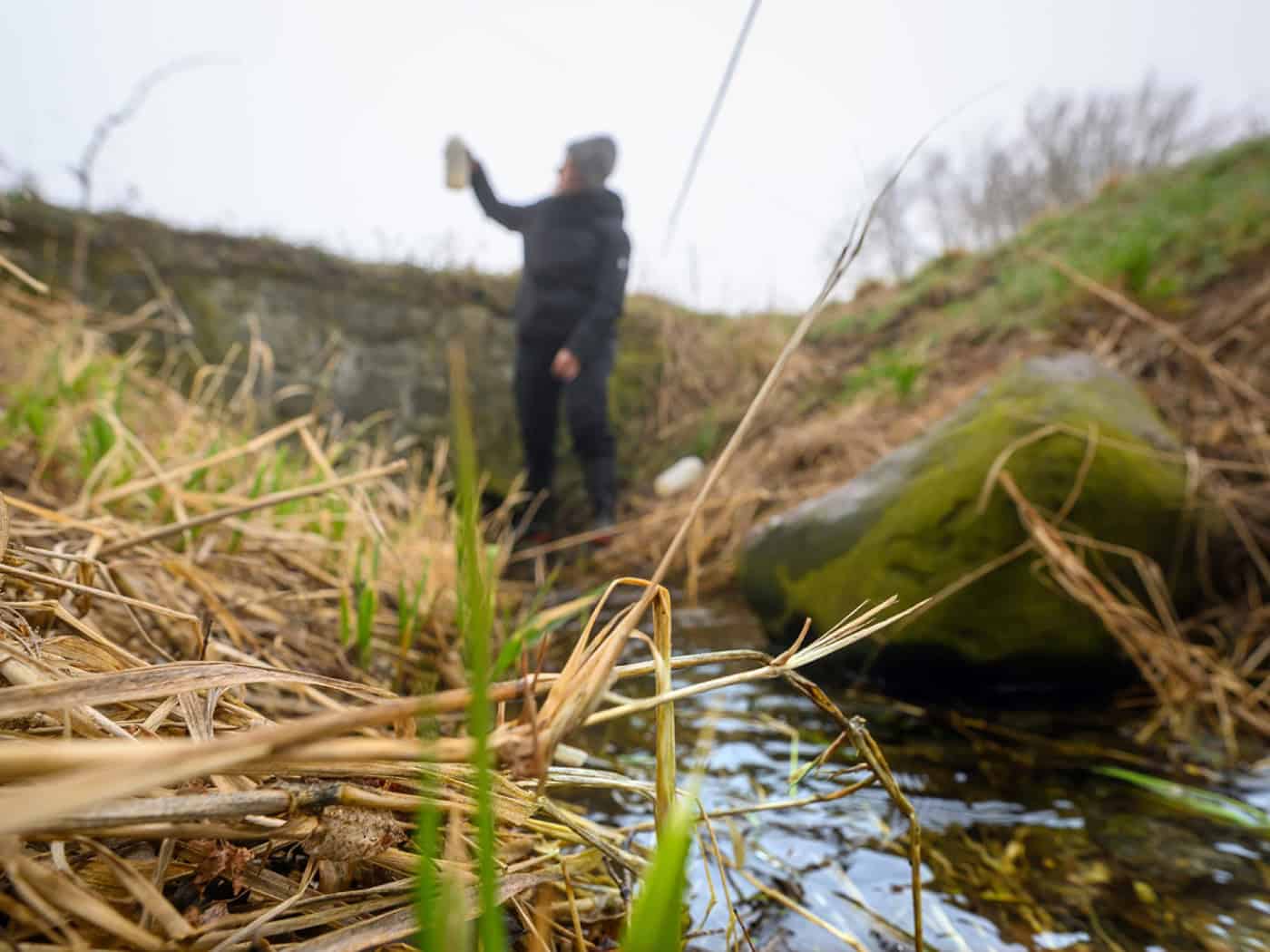
An invisible ecosystem has formed on ocean plastic. Researchers from UFZ Leipzig and GEOMAR Kiel reveal how microbes survive there – and what it means for the oceans. | more
Eingeschlafene Hände, Druck am Sattel oder ein verspannter Nacken müssen nicht das Ende einer schönen Radtour sein. Im Ergonomielabor von Meißner Raeder in der Dresdner Neustadt wird dein Fahrrad unter die Lupe genommen – gemeinsam mit dir und deinem Fahrgefühl. | more
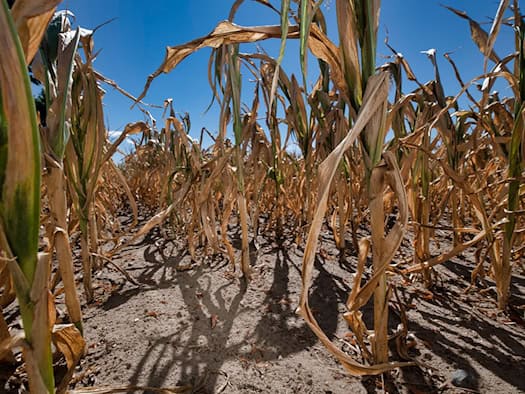
The two-degree target is widely seen as a safeguard against the worst impacts of climate change. But researchers from Leipzig and Dresden warn this confidence may be misplaced. Their study shows that extreme impacts – from droughts and wildfires to urban flooding – are possible even at moderate warming. | more
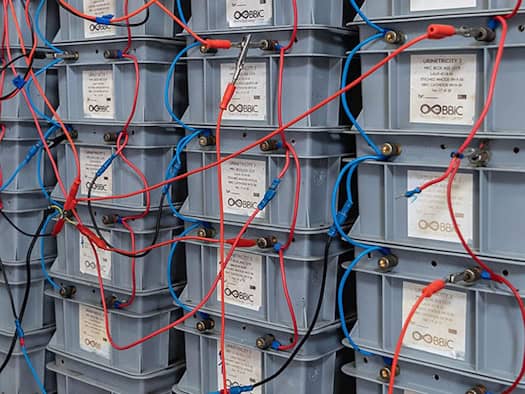
Wastewater as a source of energy? Researchers from Leipzig and Greifswald show that the energy contained in our daily wastewater is equivalent to the annual output of around 100 nuclear power plants – and explain how tiny bacteria can turn it into electricity. | more
Which crop rotation protects the soil? What uses less fertilizer? A new, free online tool from the Helmholtz Center for Environmental Research in Leipzig helps farmers to answer such questions - before they make mistakes that cost them years. | more
Gute Nachrichten tun gut. In unserem freitäglichen Good Newsletter bündeln wir die Geschichten, die Mut machen, inspirieren und zeigen, was in Sachsen vorangeht. Jetzt abonnieren und positive Nachrichten direkt ins Postfach bekommen. | more
Vacation photos of colorful butterflies are not just beautiful memories - they can advance real science. Researchers from Leipzig and Jena have shown how images from social networks can help us understand the decline in biodiversity. Their result: surprisingly good. | more