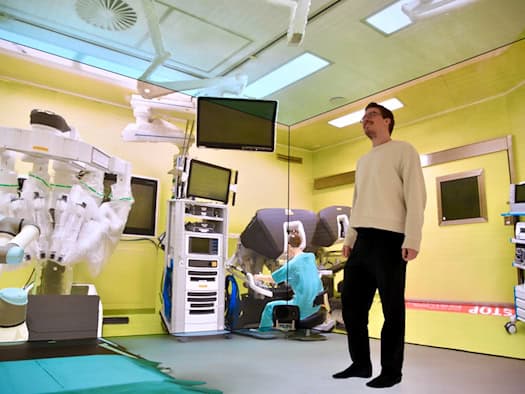
A factory hall, an operating theater, a foreign city — all of it virtual, and all of it at TU Dresden. The university’s new holodeck allows several people to experience the same digital world at once. At the same time, a newly opened quantum lab is exploring how future communication networks could become faster and more secure. | more
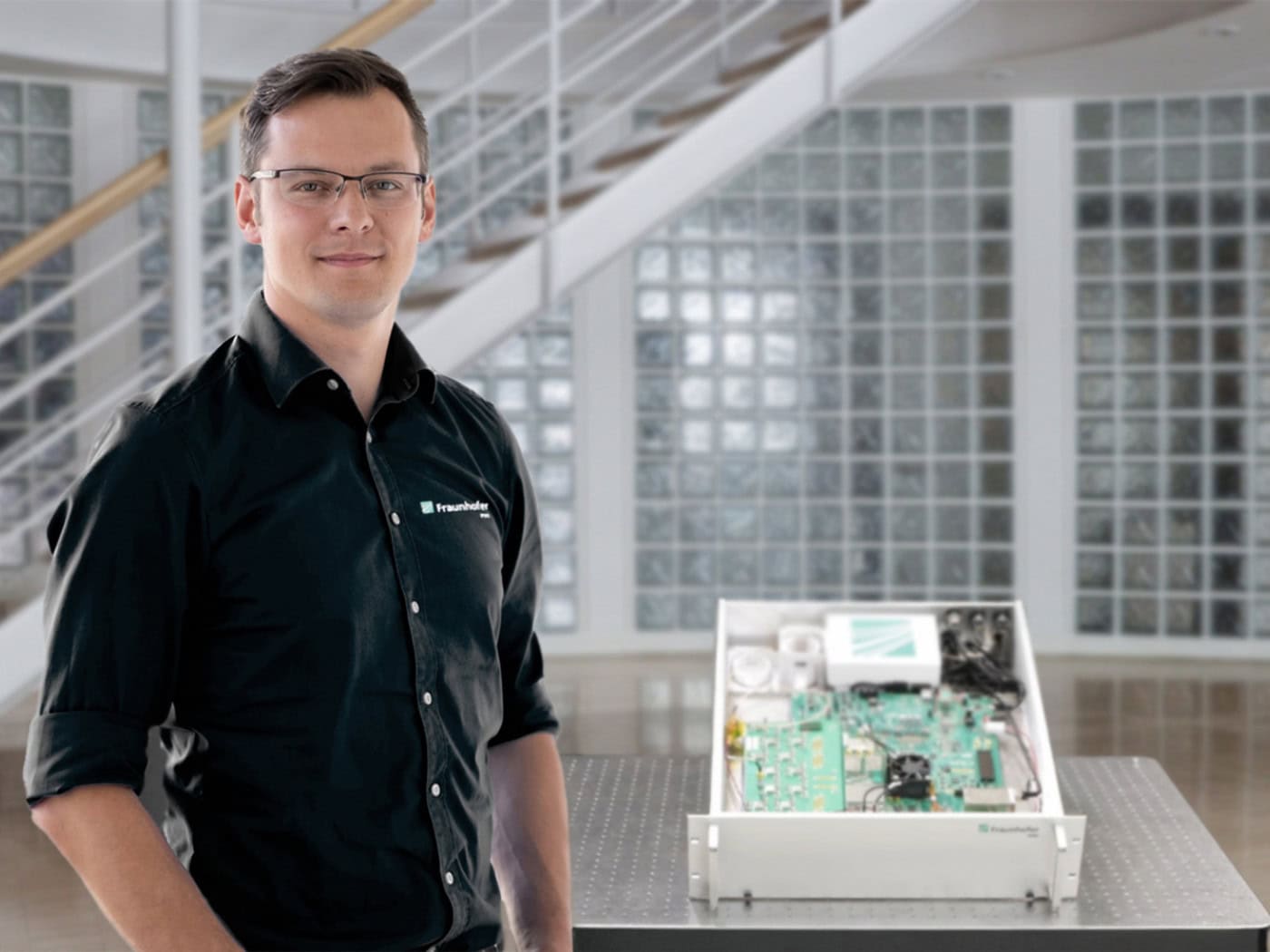
Eavesdropping-proof communication and powerful quantum computers need one thing above all: single photons that can be precisely controlled. A Saxon research team from HTW Dresden, Fraunhofer and two technical universities is now working on this – using tiny crystals and highly sensitive detectors. | more
Die Ostsächsischen Maschinenbautage widmen sich am 28. und 29. Oktober dem Thema „Robotik im Maschinenbau“ und zeigen, wie Automatisierung und Nachhaltigkeit für kleine und mittlere Unternehmen zusammengehen. Nutzen Sie Kolloquium, Kooperationsbörse und Unternehmensbesichtigungen, um wertvolle Kontakte zu knüpfen und die grüne Zukunft des Grenzraums mitzugestalten. | more
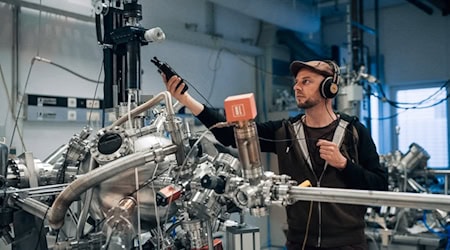
A Dresden musician makes audible what quantum researchers are working on. Konrad Kuechenmeister has recorded the noises from laboratories at TU Dresden and the University of Würzburg and mixed them into a soundtrack. The loop music accompanies the Cluster of Excellence ctd.qmat into a new phase. With a focus on dynamics, 300 scientists want to develop quantum materials for green technologies and quantum computers. | more
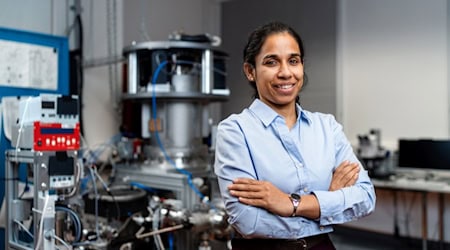
Diamonds with flaws as a tool for science: the new professor Aparajita Singha at TU Dresden uses special diamond sensors to measure magnetic signals from individual atoms. Her ambitious goal for the next five years is to carry out these measurements at room temperature - something that no one else in the world has yet managed to do. Her research in the Cluster of Excellence ctd.qmat is an important basis for future quantum computers and strengthens Saxony's position in quantum technology. | more