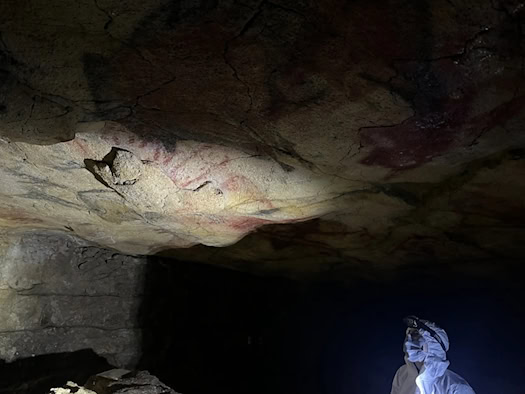
These are traces in the stone that are thousands of years old. Researchers at the Max Planck Institute for Evolutionary Anthropology in Leipzig have, for the first time, extracted human DNA directly from cave walls. The discovery could make it possible to study prehistory without any excavations at all. | more
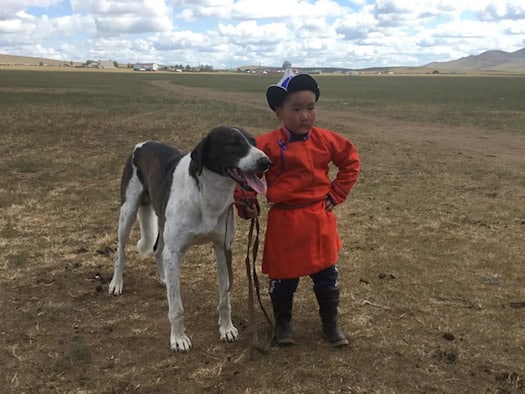
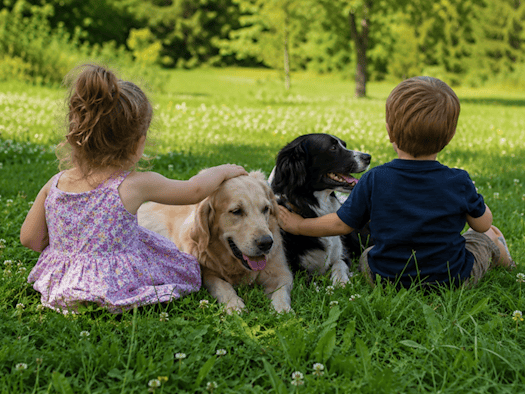
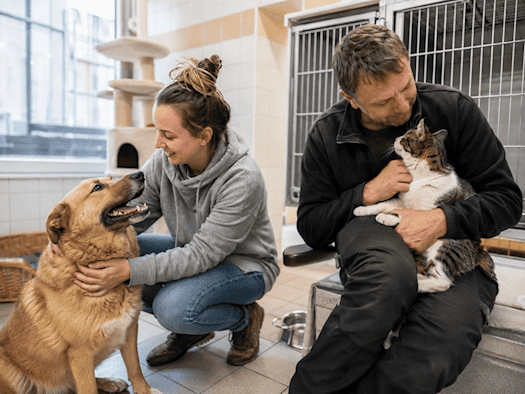
Are dogs really man's best friends all over the world? Researchers from Leipzig and Jena have systematically investigated this question for the first time – in five countries on four continents. Their finding: The bond between humans and dogs is surprisingly universal. | more
Die Ostsächsischen Maschinenbautage widmen sich am 28. und 29. Oktober dem Thema „Robotik im Maschinenbau“ und zeigen, wie Automatisierung und Nachhaltigkeit für kleine und mittlere Unternehmen zusammengehen. Nutzen Sie Kolloquium, Kooperationsbörse und Unternehmensbesichtigungen, um wertvolle Kontakte zu knüpfen und die grüne Zukunft des Grenzraums mitzugestalten. | more
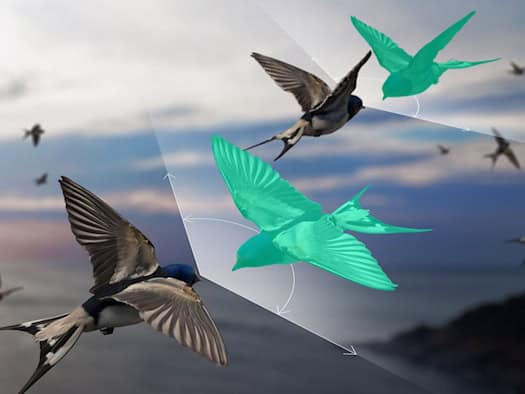
Flocks of birds and bacteria behave differently than classical physics would predict. A research team in Dresden has now developed a theory that explains why—and opens the door to more accurate simulations of living systems. | more
Why do toddlers say "Hünde" instead of "Hunde"? Researchers at the Max Planck Institute in Leipzig have discovered that the maturity of certain nerve fibers in the brain determines when children can use plural rules with confidence. | more
Researchers from Leipzig have discovered a biological control mechanism that occurs in most modern humans but was absent in Neanderthals. It could have helped to maintain an important vitamin in the body. | more
Schon wieder zu viel gegessen oder eine wichtige Aufgabe aufgeschoben? Oft reagieren wir auf solche Verhaltensweisen mit Selbstkritik. Doch damit bekämpfen wir meist nur das sichtbare Symptom – und übersehen, was wir in diesem Moment wirklich brauchen. | more
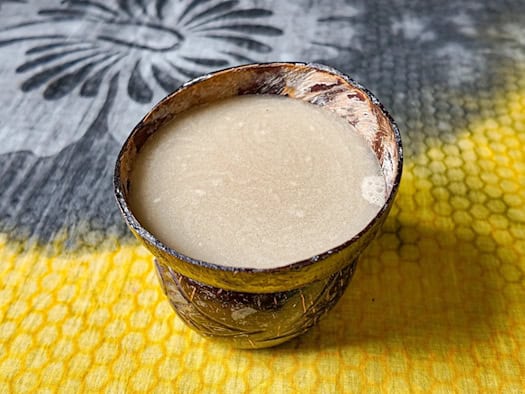
A traditional Pacific drink, strict rituals, and a major anthropological question: did intoxication help shape human societies? Researchers at the Max Planck Institute for Evolutionary Anthropology in Leipzig investigated the role of the ceremonial drink Kava — and reached a surprising conclusion. | more
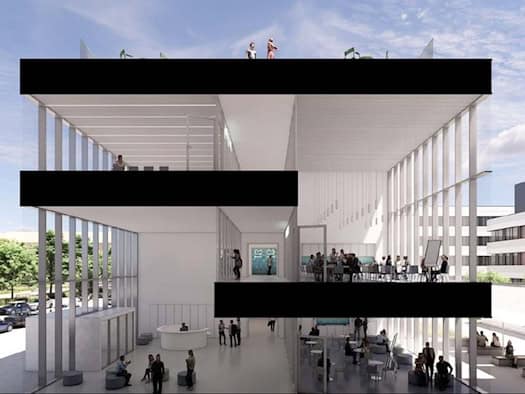
A new research center dedicated to one of humanity’s oldest questions is set to be built in Dresden: How does life organize itself? Germany’s Science Council has recommended funding of up to €77 million for the project, with construction scheduled to begin in 2027. | more
Gute Nachrichten tun gut. In unserem freitäglichen Good Newsletter bündeln wir die Geschichten, die Mut machen, inspirieren und zeigen, was in Sachsen vorangeht. Jetzt abonnieren und positive Nachrichten direkt ins Postfach bekommen. | more
Bones are not rigid structures – they adapt. Researchers have now shown that the inner structure of the tibia reveals how humans, apes, and monkeys move. This insight could help reconstruct the behavior of long-extinct ancestors. | more
How did people in the Bronze Age react to difficult times? What did they eat, how did they bury their dead and where did they come from? A new study led by the Max Planck Institute for Evolutionary Anthropology in Leipzig provides answers for the first time. The study is based on ancient DNA and chemical traces from bones. | more
In jedem Verein, in jeder Straße, in jedem Treppenhaus gibt es diesen einen Menschen, der einfach da ist – ohne Bezahlung, ohne Applaus, oft ohne ein einziges Dankeschön. DIE SACHSEN NEWS startet eine neue Serie und sucht genau diese Menschen: Sachsens Alltagshelden. Und die Chancen stehen gut, dass Sie selbst schon eine oder einen kennen. | more
How do children understand where others are looking? Researchers at the Max Planck Institute in Leipzig have studied 1,377 children from 14 countries. Their findings reveal a universal thought process that works in the same way all over the world. However, the study also reveals surprising differences between individual children. | more
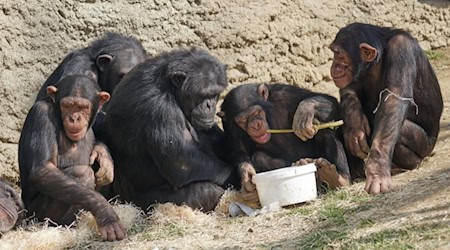
Can apes think sustainably? Researchers at the Max Planck Institute in Leipzig have given chimpanzees a tricky task: Snack on yogurt or save it for the group? The result is surprising. Larger groups act much more cooperatively than pairs. The decisive factors are tolerance and the behavior of the leader. The findings could also be relevant for human societies. | more
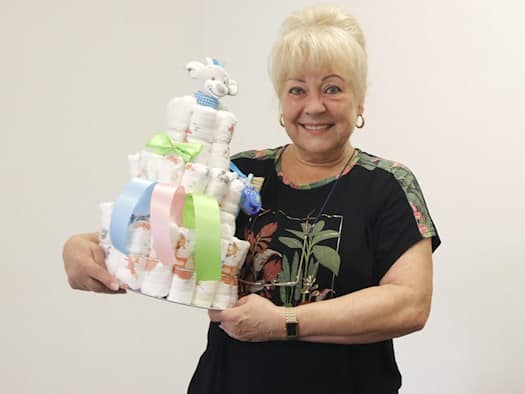
In Dresden-Pieschen fertigt Andrea Rehn im Zentralwerk personalisierte Geschenke für frischgebackene Eltern und deren Familien. Besonders gefragt sind bestickte Windeln mit Geburtsdaten sowie kreative Windeltorten – und das nicht nur online, sondern auch deutschlandweit über DM-Märkte. Jetzt gibt es 10 Prozent Rabatt im Shop. | more
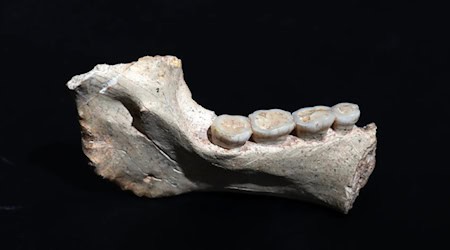
Scientists have found 773,000-year-old bones in a Moroccan quarry - from people who lived at a time when Homo sapiens and Neanderthals were just parting ways. The Max Planck Institute for Evolutionary Anthropology in Leipzig was involved in the investigation. The findings provide rare insights into our common ancestors and confirm that Africa was the cradle of humanity: Africa was the cradle of mankind. | more
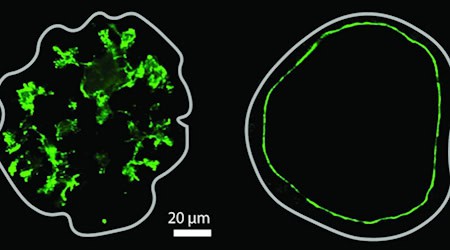
How does the branched network of cavities in our pancreas develop? Researchers at the Max Planck Institute of Molecular Cell Biology and Genetics in Dresden have found out using mini-organs and computer simulations. Their findings could pave the way for new therapies. | more
Zahnbehandlungen können in Deutschland schnell zur finanziellen Belastung werden. Besonders bei Implantaten, Kronen, Brücken oder umfangreichem Zahnersatz liegen die Kosten häufig im vierstelligen Bereich. Viele Patienten stehen dann vor einer schwierigen Entscheidung: Behandlung durchführen lassen und hohe Eigenanteile zahlen – oder den Eingriff aufschieben, obwohl er medizinisch sinnvoll wäre. | more
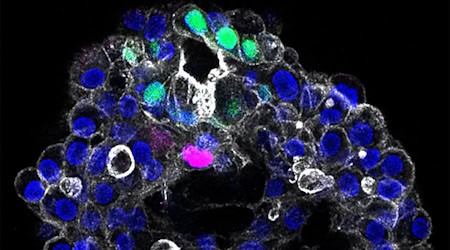
Over two million people die of liver disease every year. Researchers at the Max Planck Institute in Dresden have now developed a three-dimensional liver model from real patient cells. The mini-liver can mimic important functions and should help to better understand diseases, test new drugs and develop personalized therapies. The study was published in Nature. | more