Europe has hundreds of programs to observe nature, but the data does not fit together. Researchers from iDiv Leipzig and the University of Halle want to change that: With a Europe-wide roadmap that combines satellites, DNA analyses and citizen observations. They want to finally know how our nature is really doing. | more
Large predatory fish are becoming rarer, while smaller species dominate. This has consequences for entire ecosystems. Researchers at iDiv Leipzig have analyzed data from almost 15,000 fish communities over decades. Their findings: food webs in oceans and rivers are changing worldwide, even where the number of species remains the same. Why this can pose a threat to bodies of water and what scientists are now calling for. | more
Gute Nachrichten tun gut. In unserem freitäglichen Good Newsletter bündeln wir die Geschichten, die Mut machen, inspirieren und zeigen, was in Sachsen vorangeht. Jetzt abonnieren und positive Nachrichten direkt ins Postfach bekommen. | more
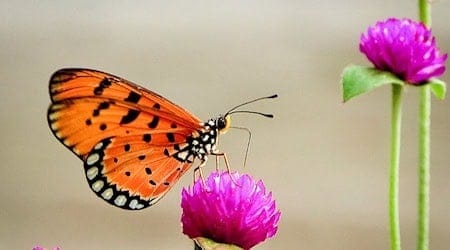
Vacation photos of colorful butterflies are not just beautiful memories - they can advance real science. Researchers from Leipzig and Jena have shown how images from social networks can help us understand the decline in biodiversity. Their result: surprisingly good. | more
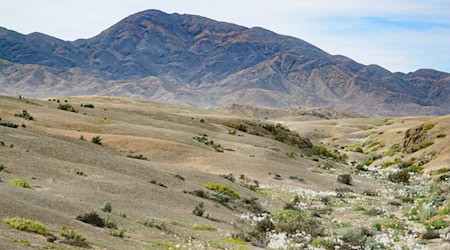
Two billion people live in arid regions. Researchers from Leipzig have now investigated the conditions under which non-native plants spread around the world. Their findings: heavy grazing and nutrient-rich soils favor the invaders. A high diversity of species protects against this. | more