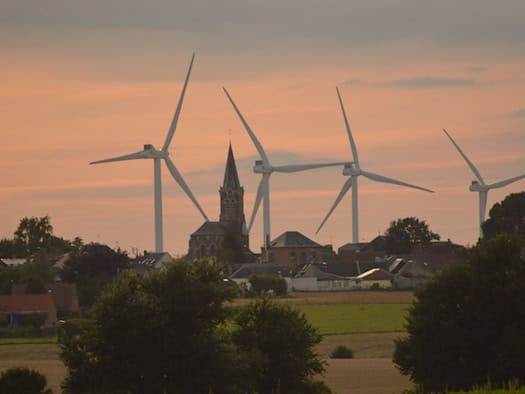

A wind turbine right on your doorstep changes more than just the view. A study from Leipzig shows that visible wind turbines can weaken support for the energy transition – especially in rural areas and when local residents do not receive financial compensation. | more
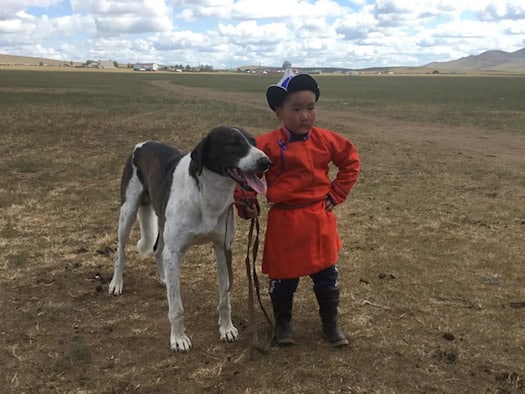
Are dogs really man's best friends all over the world? Researchers from Leipzig and Jena have systematically investigated this question for the first time – in five countries on four continents. Their finding: The bond between humans and dogs is surprisingly universal. | more
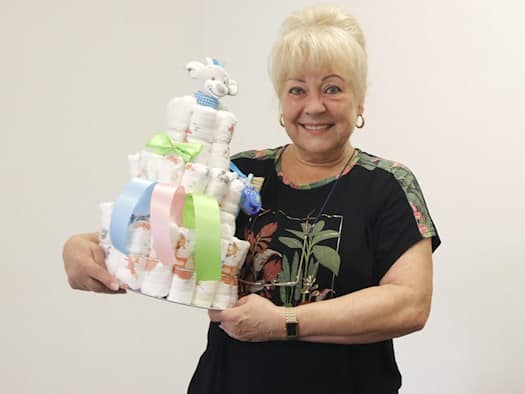
In Dresden-Pieschen fertigt Andrea Rehn im Zentralwerk personalisierte Geschenke für frischgebackene Eltern und deren Familien. Besonders gefragt sind bestickte Windeln mit Geburtsdaten sowie kreative Windeltorten – und das nicht nur online, sondern auch deutschlandweit über DM-Märkte. Jetzt gibt es 10 Prozent Rabatt im Shop. | more
Why do we choose the same thing so often in restaurants? Researchers at TU Dresden have investigated what really guides our decisions and come to an astonishing conclusion: Repetition, not reason, is often the real boss in the ring. | more
Can apes think sustainably? Researchers at the Max Planck Institute in Leipzig have given chimpanzees a tricky task: Snack on yogurt or save it for the group? The result is surprising. Larger groups act much more cooperatively than pairs. The decisive factors are tolerance and the behavior of the leader. The findings could also be relevant for human societies. | more
Playing your way to the energy transition: A new junior research group at the University of Applied Sciences Zwickau is investigating how gamification can help with technological change. Among other things, the researchers are developing an "Energy Tamagotchi" that makes electricity consumption visible and a digital driving trainer for energy-efficient driving. The interdisciplinary team aims to develop practical concepts for business and society by 2028. | more
Zahnbehandlungen können in Deutschland schnell zur finanziellen Belastung werden. Besonders bei Implantaten, Kronen, Brücken oder umfangreichem Zahnersatz liegen die Kosten häufig im vierstelligen Bereich. Viele Patienten stehen dann vor einer schwierigen Entscheidung: Behandlung durchführen lassen und hohe Eigenanteile zahlen – oder den Eingriff aufschieben, obwohl er medizinisch sinnvoll wäre. | more
There are repeated discussions about the fitness to drive of very old road users. There is no age limit for driving licenses in Germany. Personal responsibility applies. | more
Astrid Lorenz analyzes high AfD approval ratings in eastern Germany and explains the background | more
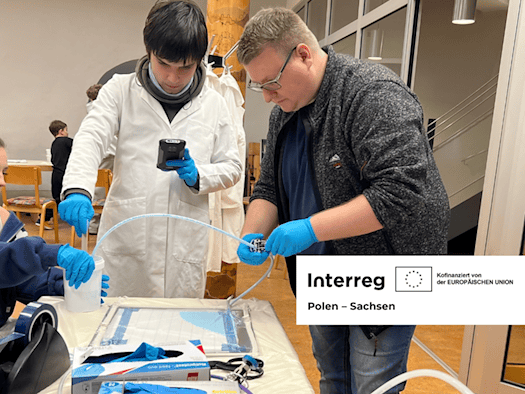
Nach zwei Jahren erfolgreicher Zusammenarbeit geht das INTERREG-Projekt „Grenzüberschreitende Experimentiergärten“ in die finale Phase. Am 4. November lädt das Technologie- und Gründerzentrum Bautzen zur Abschlusskonferenz „Impulse für die MINT-Bildung von morgen“ ein – ein Höhepunkt des Wissenschaftsjahres 2026. | more