


What’s growing in your garden? Researchers want to know
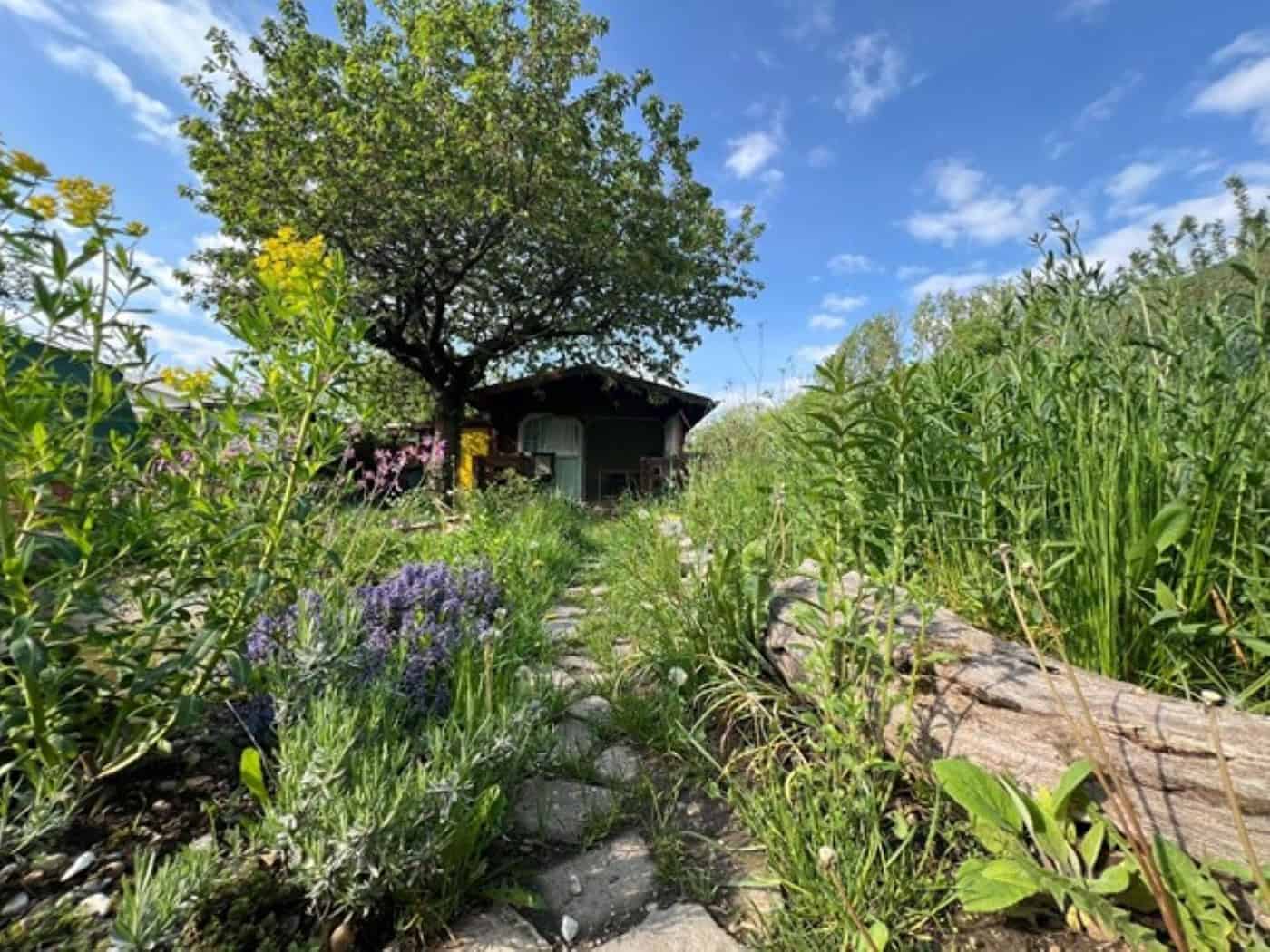
Kohlrabi next to stinging nettles, roses next to weeds — many gardens are home to far more plant species than their owners might expect. Yet the biodiversity of Germany’s gardens has so far received little scientific attention. The GartenDiv project aims to change that — with the help of amateur gardeners.
The so-called GartenDiv Days begin on May 22, the International Day for Biological Diversity. Until the beginning of summer on June 21, people across Germany are invited to photograph and document as many plants as possible in their gardens. An app automatically identifies the species. Those who take part contribute valuable data for biodiversity research in German gardens. The GartenDiv project has been running since May 2025 and is coordinated by Leipzig University and the German Centre for Integrative Biodiversity Research (iDiv). Project partners include the Julius Kühn Institute, the German Federation of Allotment Garden Associations and the Flora Incognita app.
Almost 170,000 observations in the first year
The results of the pilot year were already impressive. Nearly 2,500 gardeners created their own garden ID and anonymously submitted observations. In total, participants recorded 169,205 observations covering 4,458 different plant species — from private gardens and allotments to balconies and school gardens.
An interesting pattern quickly emerged: 28 percent of the recorded species are considered native to Germany, while 72 percent are not. Many of these plants were originally introduced from other parts of the world or spread over long periods of time. Researchers now want to better understand what this mix means for biodiversity in gardens.
Completely record - even the supposed weeds
In the project’s second year, the focus is on documenting gardens as completely as possible. “Participants should be encouraged to record all the plants in their garden, including fruit and vegetable plants, wild plants, and even small herbs or inconspicuous species that are easily overlooked,” explains Ingmar Staude from the Institute of Biology at Leipzig University.
New features have also been added to make participation more interactive. Anyone who documents 100 plant species in their own garden receives a digital Golden Badge. “The new features are based on feedback from the community, much of it submitted directly through the app,” says Staude. The Flora Incognita app was adapted for GartenDiv in collaboration with the Max Planck Institute for Biogeochemistry and the Technische Universität Ilmenau. It identifies plants automatically using photos.
Anyone can take part — throughout the entire year.

