


Artificial noses for the world of tomorrow
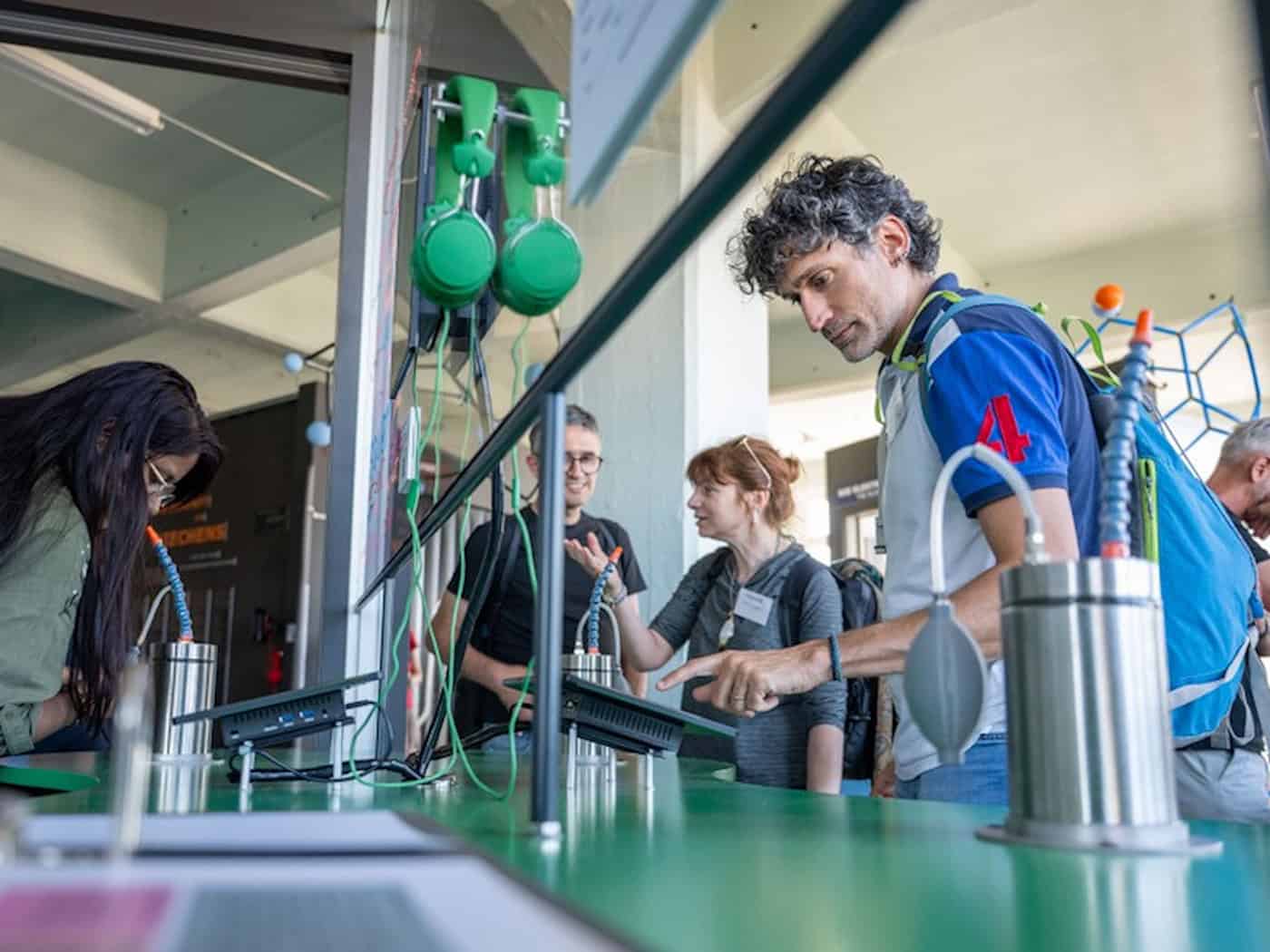
Dogs sniff out cancer. Bees recognize explosives. Rats can smell tuberculosis. The sense of smell of some animals is so sensitive that it can save lives. Researchers in Dresden now want to transfer these abilities to machines. A new exhibition at the Technische Sammlungen Dresden shows how far research has already come.
The special exhibition "The Future of Smelling - From the Nose to Smelling Machines" can be seen there from today until November 1, 2026. For the first time, it brings the research of the Technische Universität Dresden, the University Hospital Carl Gustav Carus Dresden and the Friedrich Schiller University Jena to life for the general public. Visitors can interactively discover how the sense of smell works, what smells actually are - and how machines could smell one day.
When sensors learn to smell
Teaching machines to smell is more complicated than it sounds. The human sense of smell recognizes thousands of scents, warns of spoiled food and reacts sensitively to chemical signals from the environment. In animals such as dogs or bees, this sense is even more powerful.
The research field behind this is called perceptronics. It combines modern sensor technology with artificial intelligence to give machines a kind of sensory perception. Only advances in sensors and AI make it possible today to evaluate the enormous amounts of odor data at all.
The Dresden joint project "Olfactorial Perceptronics" is funded by the Volkswagen Foundation. It is led by Gianaurelio Cuniberti, Professor of Materials Science and Nanotechnology at TU Dresden. The aim of the project is to develop electronic noses that can precisely detect and analyze odors.
From the biological to the electronic nose
The exhibition takes visitors through three subject areas: the biological nose, the cosmos of odors and the electronic nose. Interactive stations, experimental models and media installations reveal what the researchers are working on. Topics from medicine, chemistry, psychology, history and nanotechnology are intertwined.
Young scientists and international experts have their say in video interviews. It is no coincidence that the research is taking place in Dresden: the city is one of the world's leading locations for microelectronics - ideal conditions for the development of highly sensitive sensors. The exhibition was financed by the Volkswagen Foundation. It was designed by Paul Bauer and Studio Klarheit Filmproduktion Dresden, among others.

