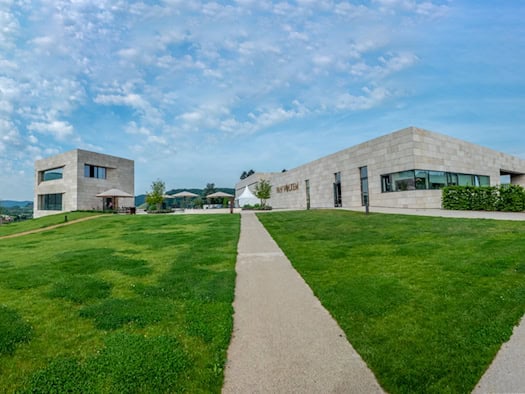
The Opera am Theaterplatz is - no, not the digital twin, but the culinary twin of the Herz Bar in the Baroque Quarter. The standards of the makers and the atmosphere created by the teams and guests are the same - in terms of warmth (sorry, stupid name pun), quality and atmosphere. You rarely experience such cheerful multilingual chatter without being too loud as during our visit for the cooking star test in Dresden - too rarely. On the surface, you don't notice that there's a lot of hard work going on behind the scenes, but there's no other way: despite a full house and few staff (the constant in gastronomy!), we experienced speedy service with proper announcements - and the kind of friendliness that "natural" or "not artificial" might describe correctly, but is still inadequate. The way Maria (at our table) and her colleague (unnamed to us because they were further away behind the bar and always on the move with drinks between cocktails and coffee) served us is the kind of service you want everywhere: friendly, fast and at eye level!

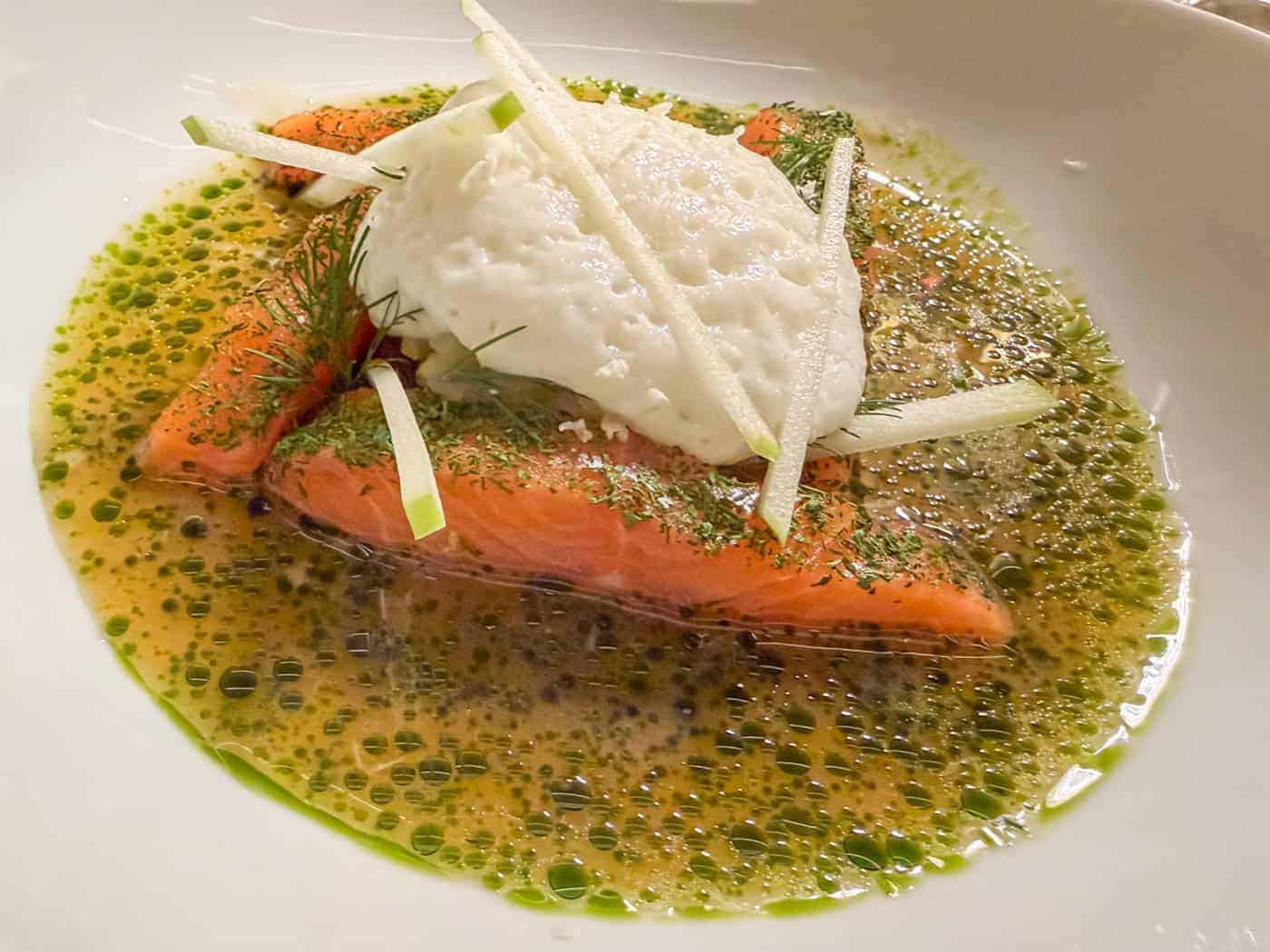
Before these could be dispelled, there was a course without wine accompaniment. "Too much of my own flavor nuance in the soup!", Maria explained to us, which she was undoubtedly right about - and wine is usually a dietary restriction for me when it comes to soup anyway. And while we're on the subject of personal sensitivities: I don't actually like Jerusalem artichokes. But it probably depends what you make of it. During our visit, we saw Sven Vogel in the kitchen through the open window at the pass - a long-time companion of Benjamin Biedlingmaier and most recently head chef at Caroussel Nouvelle in Bülow Palais. His version of the Jerusalem artichoke soup impressed me, and this was not only (but also, *wink smiley*) due to the side dishes of egg yolk (i.e. egg soft as wax, dried and grated), truffle (are we decadent? I wo!) and leek.
The main course was accompanied by the announced Apulian Primitivo - and surprised me: not as soft and sweet as it is usually served, but powerful and balanced on the palate. The tannins are soft and well integrated, the alcohol (14% after all) is surprisingly harmonious. The finish is long, warm and carried by dark fruit and fine spice. You'd like to enjoy something braised with this, wouldn't you? What a coincidence: beef cheeks are on the menu and they come. A decent portion, two sauces, parsnip served standing upright (a bit of playfulness is a must!). The cheek was sensationally juicy and supple: strictly speaking, you only had to look at it for it to fall apart. Nevertheless, we used a knife and fork because they were there anyway and the delicious cheek had to be brought to the mouth.
If you think that red cabbage goes well with beef cheeks, you're not wrong. But there was already parsnip. So what else could the red cabbage do but go with dessert? Sounds strange, but it was. Perhaps I shouldn't have been surprised, because the Biedlingmaier-Bellmann-Vogel trio had already had carrots on the menu in 2016, which we thought was pretty daring ten years ago. So now red cabbage, in different consistencies of course and surprisingly suitable for dessert. In the brief moments when I felt like more sweetness, I simply took a sip of the wine. It came from Majorca, and was packed with aromas of tropical fruits such as mango, lychee, white stone fruit and quince and, despite its sweetness, had enough acidity to keep it from sticking to the palate. The fact that it is an orange wine from the indigenous Prensal Blanc was surprising - very often such white wines, which have enjoyed a long maceration time on the skins, are questionable. Not this one! Clear, clean, beautiful color (if it wasn't orange, you'd say golden yellow 😉 )...