

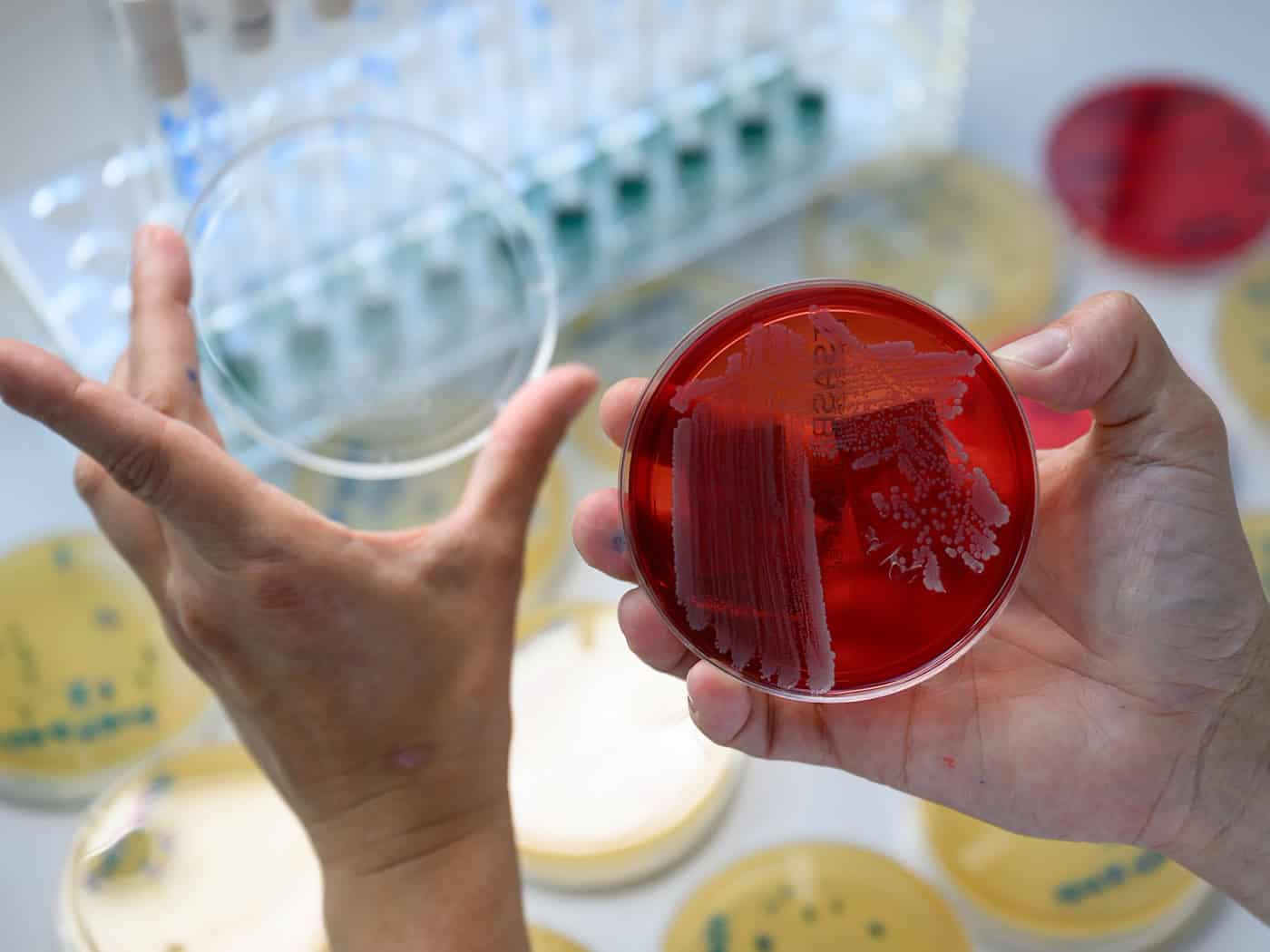
Glycerin in slush ice, salmonella in ground meat, lead in cinnamon: More than one in seven food samples tested in Saxony (15.4 percent) had defects in 2025. In 50 cases, they were even classified as hazardous to health, according to the new annual report from the State Institute for Health and Veterinary Affairs. “Our food is generally safe,” summarizes President Susanne Bastian, referring to the total number of nearly 20,500 samples tested. The number of non-compliant cases has declined slightly: In the previous year, the rate was still 16.8 percent. The majority of these cases involved misleading or non-compliant labeling, particularly with regard to additives or allergens. This applied, for example, to so-called Dubai chocolate, where not a single sample was free of defects. None of the products actually came from Dubai; most originated in Turkey. Warnings about additives were also missing. “When it comes to new trends in the candy sector, you should always exercise healthy caution,” advises Bastian. Other foods, such as coffee, rooibos tea, olive oil, and manuka honey, were also tested for authenticity. In the case of coffee, for example, there is a risk that cheaper Robusta beans are mixed in with varieties labeled as Arabica, the expert explains. However, laboratory tests of the samples examined revealed no evidence of this. In contrast, water additives were found in shrimp to increase the selling weight. In the case of olive oil as well, based on sensory tests, 3 out of 25 samples were classified as non-compliant with the highest quality grade, “extra virgin.” Experts are also focusing on diseases transmitted by animals such as ticks and mosquitoes. For example, there was a sharp rise in new cases of Lyme disease in 2025. The number rose by 62 percent to more than 2,600—a new record high, officials said. The Asian tiger mosquito, which was first detected in Dresden in 2024, is also a cause for concern. Native to Southeast Asia, this insect can transmit tropical infectious diseases such as dengue and Zika. To monitor its further spread, the agency operates a surveillance program. This has shown that the mosquito successfully overwinters and has become established in the area. However, according to the annual report, there was neither widespread dispersal nor mass reproduction in 2025. In general, the agency advises consumers to observe proper hygiene when preparing food. This applies in particular to animal-based foods such as meat, fish, and dairy products, which can harbor bacteria such as Listeria. It is essential to cook them thoroughly before consumption. Problems can also arise from improper storage—such as at excessively high temperatures. Experts also warn that raw milk should always be boiled before consumption. According to reports, multi-drug-resistant bacteria—against which many antibiotics are ineffective—have already been found in raw milk samples. Copyright 2026, dpa (www.dpa.de). All rights reservedDubai Chocolate Proven to Be a Fake
Sharp Rise in Lyme Disease Cases
Reminder on Hygiene for Raw Animal Products


