

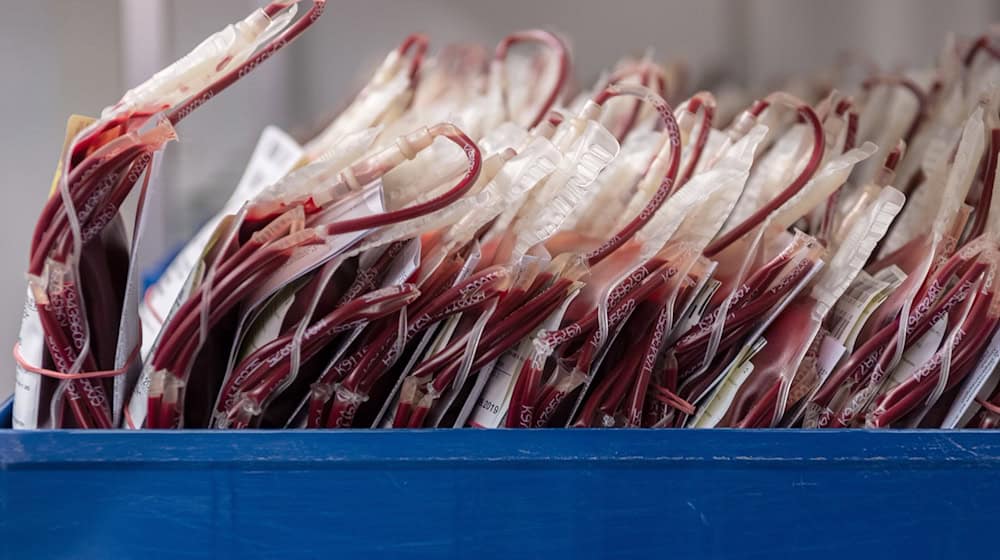
The German Red Cross is looking for new, regular blood donors to make up for the baby boomer generation that is gradually retiring. "Only if younger people born after 1990 and also middle-aged people can be persuaded to donate blood in the future can the solidarity-based supply system be maintained in the long term and the blood supply secured in the future," said Kerstin Schweiger, spokesperson for the German Red Cross Blood Donor Service North-East, to the German Press Agency. The service is responsible for Berlin, Brandenburg, Hamburg, Saxony and Schleswig-Holstein. In the coming years, it will become apparent that many donors from the baby boomer generation (born between 1955 and 1969), who are strong donors, will retire, explained Schweiger. "Blood donors will then potentially become recipients, which will also increase the need for blood products." In the five federal states, the willingness to donate blood is highest in the 55 to 64 age group with 25.4 percent of all donors, followed by the 45 to 54 age group (21.8 percent). Only 11.1 percent of all donors are aged 24 and under. The rate of first-time donors in all five states combined was 8.7 percent. In Saxony, a figure of 5.8 percent was registered. Here, the number of first-time donors fell by just under 300 to 8,470. The focus is on mobilizing younger population groups in order to ensure the supply of blood products in the long term, emphasized Schweiger. The German Red Cross Blood Donor Service North-East is therefore offering a large number of appointments at universities and vocational training centers to raise awareness of the issue among young people. According to the German Red Cross, around 20 percent of blood reserves are needed for cancer patients alone. The platelets that are important for this group of patients only have a shelf life of four days. However, Schweiger emphasized that the depots of the German Red Cross Blood Donor Service North-East must also have sufficient quantities of red blood cell concentrates, which have a shelf life of six weeks, across all blood groups. Only then can patients in medical emergency situations, but also those who often need blood regularly over a long period of time due to other serious illnesses, be supplied. Copyright 2024, dpa (www.dpa.de). All rights reservedFocus on younger people


