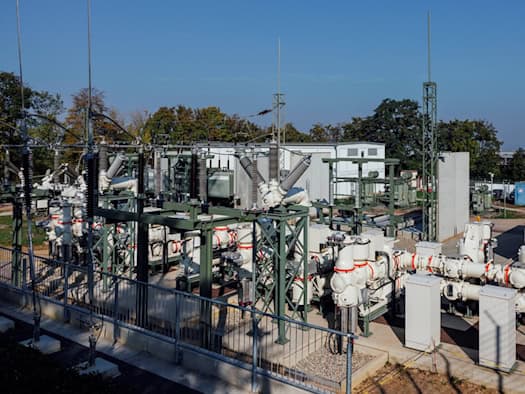
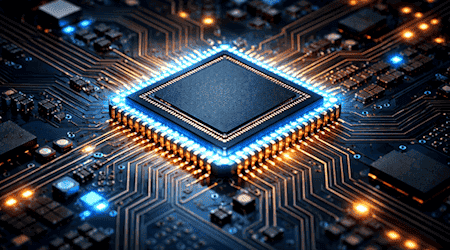
A chip factory consumes as much electricity as a small town. Dresden’s electricity demand will triple by 2030, and the power grid must keep up. New high-voltage cables running across the city have now been put into service. | more
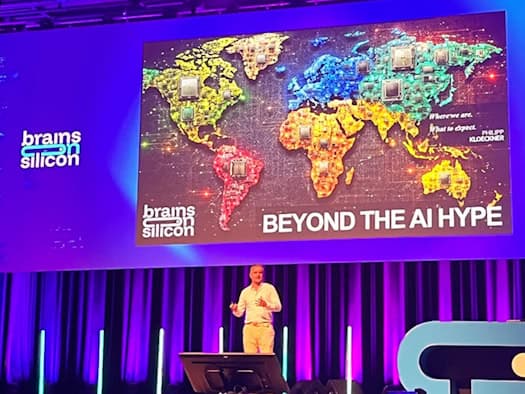
More Investment Than Apollo & ISS Combined: Why AI Data Centers Are Booming, Companies Are Failing, and What Risks Really Lurk, According to Philipp Klöckner. | more
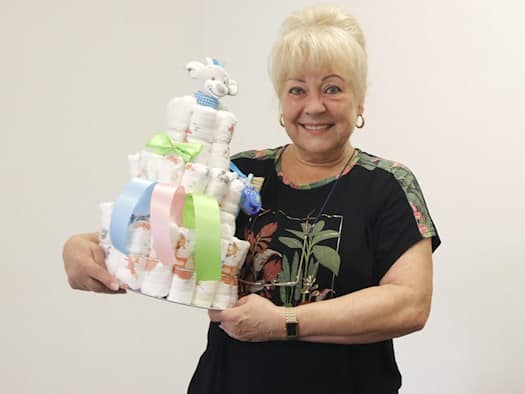
In Dresden-Pieschen fertigt Andrea Rehn im Zentralwerk personalisierte Geschenke für frischgebackene Eltern und deren Familien. Besonders gefragt sind bestickte Windeln mit Geburtsdaten sowie kreative Windeltorten – und das nicht nur online, sondern auch deutschlandweit über DM-Märkte. Jetzt gibt es 10 Prozent Rabatt im Shop. | more
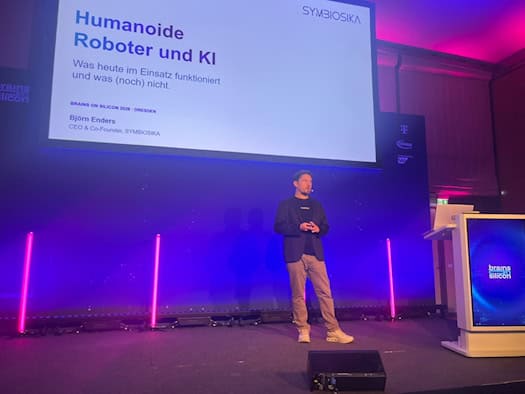
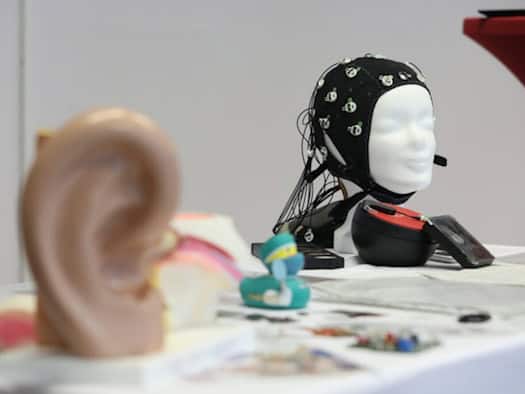
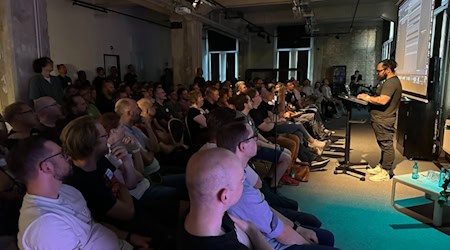
At the "Brains on Silicon" conference, a robotics entrepreneur offers a sober assessment of humanoid robots. His conclusion: there are hardly any real-world applications, and the German data advantage is a myth. | more
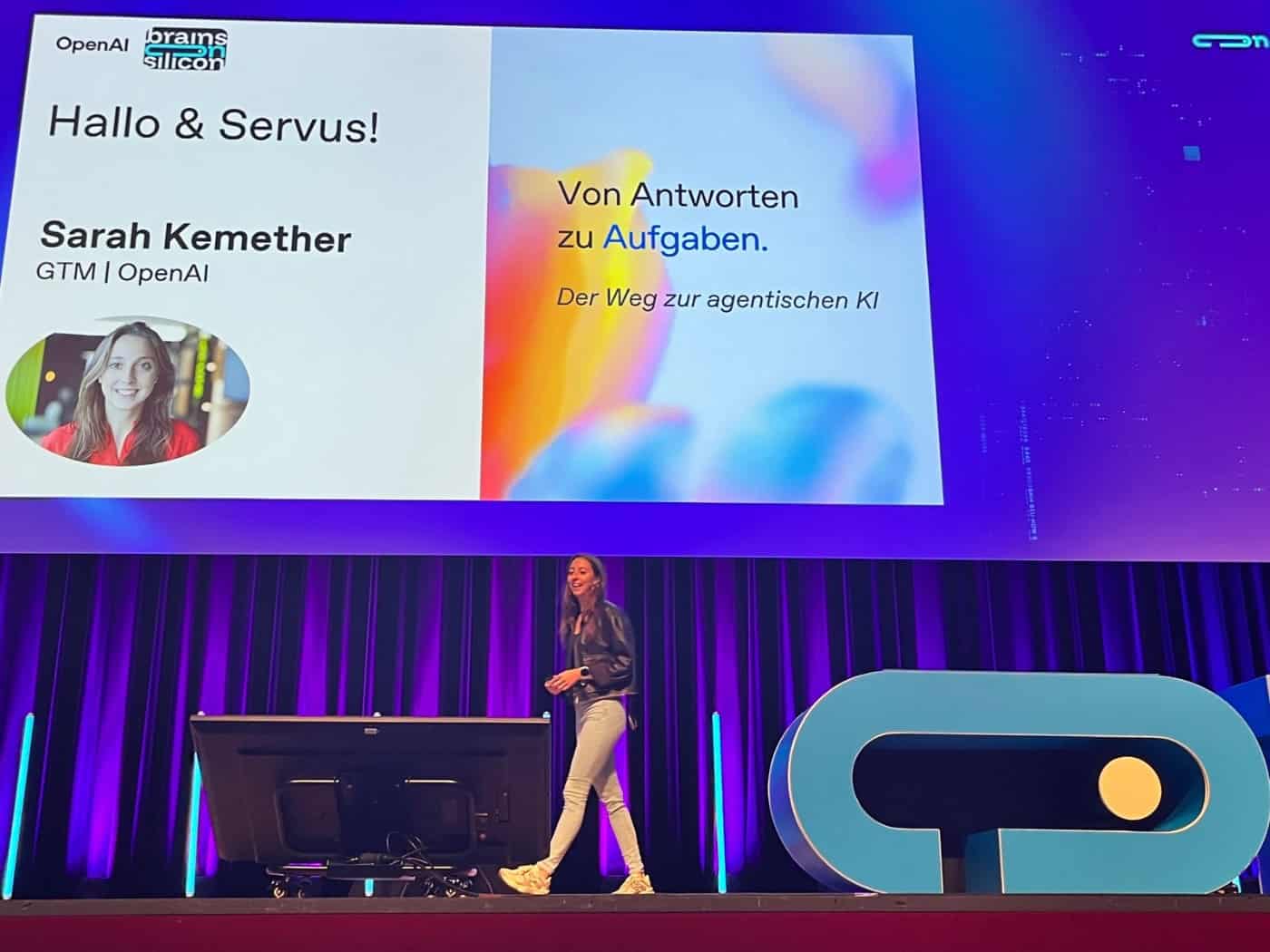
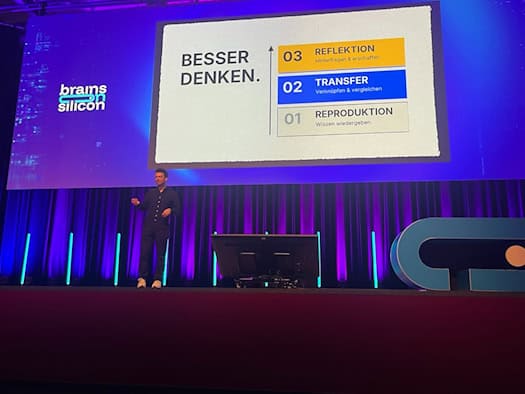
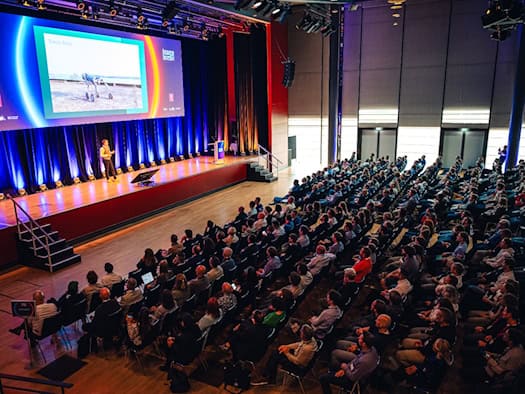
AI takes work off our hands, but it can also dull our own thinking. At the Brains on Silicon conference in Dresden, a journalist explained how to stay in control despite this. | more
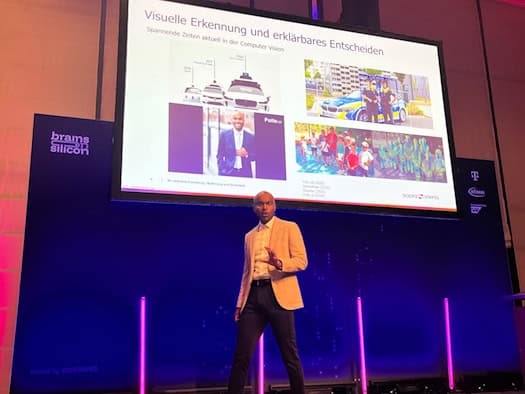
AI systems can already tell the difference between people at a train station who are just roughhousing and those who are seriously fighting. How today’s technology is designed to prevent dangers on the platform - and what grim downside investigators fear. | more
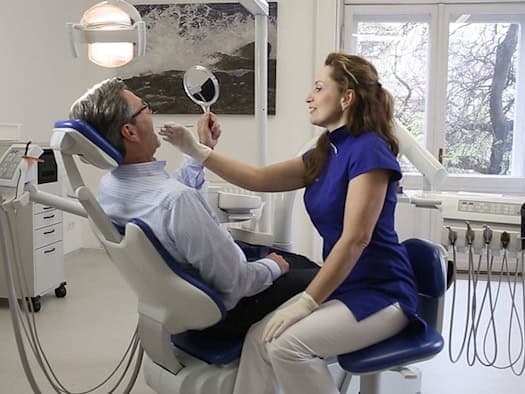
Zahnbehandlungen können in Deutschland schnell zur finanziellen Belastung werden. Besonders bei Implantaten, Kronen, Brücken oder umfangreichem Zahnersatz liegen die Kosten häufig im vierstelligen Bereich. Viele Patienten stehen dann vor einer schwierigen Entscheidung: Behandlung durchführen lassen und hohe Eigenanteile zahlen – oder den Eingriff aufschieben, obwohl er medizinisch sinnvoll wäre. | more
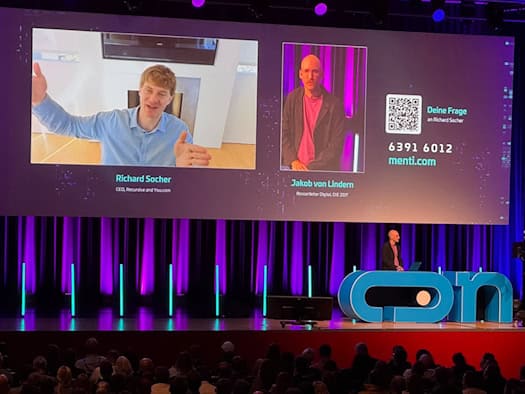
At the “Brains on Silicon” conference in Dresden, You.com founder Richard Socher debunks apocalyptic AI scenarios. Why he considers doomsday fantasies nonsense - and what real risk we’re underestimating instead. | more
Two of the fiercest competitors in the global AI industry will share the same conference stage in Dresden this September. Anthropic will set the tone for the first day of Brains on Silicon, while OpenAI will kick off the main stage on the second day. Google will also be there. For organizer Stefan Queißer, the lineup is a major coup for Dresden. | more
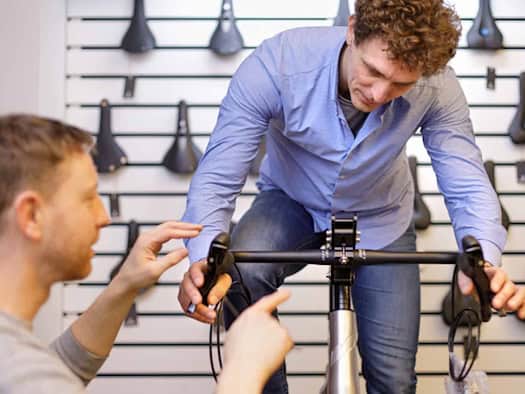
Rückenschmerzen, ein verspannter Nacken oder ein schmerzendes Gesäß können längere Radtouren schnell unangenehm machen. Häufig liegt das nicht am Fahrradfahren selbst, sondern daran, wie gut Fahrrad und Fahrer zusammenpassen. Vor allem Lenkerposition, Vorbaulänge, Oberkörperhaltung sowie Sattel und Sattelhöhe beeinflussen, wie komfortabel man unterwegs ist. | more
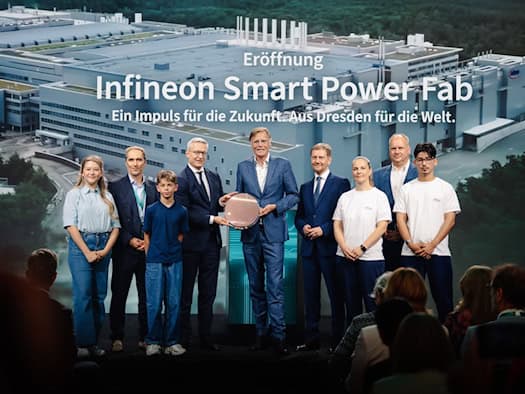
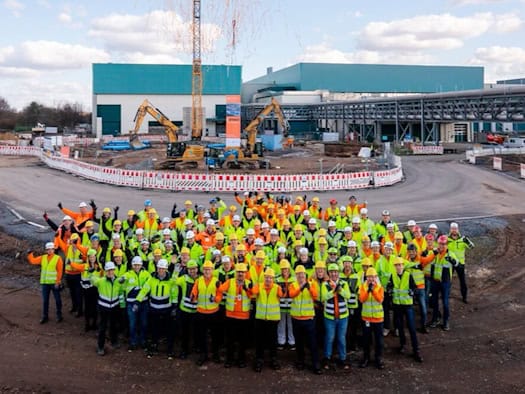
Five billion euros, 1,000 new jobs, and the title of “the world’s largest factory of its kind” - on Thursday, Infineon opened its Smart Power Fab in Dresden, months ahead of schedule. The products that will roll off the assembly line here in the future are set to be used in AI data centers, wind turbines, and electric cars. | more
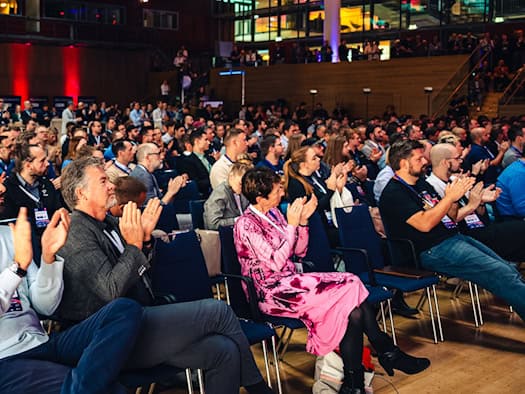
On September 14 and 15, 2026, Dresden will once again become a hub for applied artificial intelligence. At Brains on Silicon 2026 at the ICD Dresden, experts from companies such as SAP, GitHub, and You.com will discuss how AI is making the transition from pilot projects to real-world business processes. | more
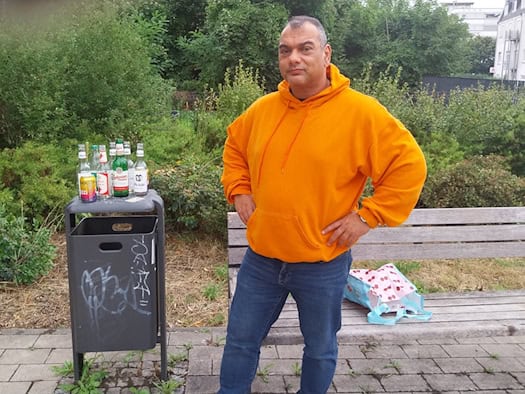
Auf dem Weg zur Arbeit, beim Spaziergang durch Dresden oder beim Warten auf die nächste Bahn – überall können sie liegen: leere Pfandflaschen und Dosen. Für die meisten sind sie Müll, für andere ein kleiner Schatz. Genau daraus macht Pfandpirat eine digitale Schatzsuche, bei der Nutzer Fundorte entdecken, selbst Flaschen melden, Punkte sammeln und gemeinsam auf die Jagd gehen können. Hinter der ungewöhnlichen Idee steckt der Dresdner Sammy Zimmermanns. Wie aus herumliegenden Pfandflaschen ein echtes Spiel für die Stadt geworden ist, lesen Sie hier. | more
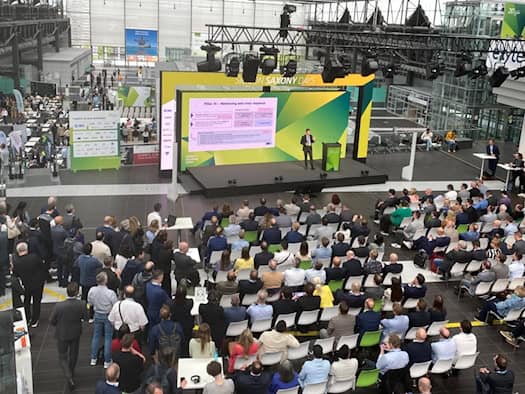
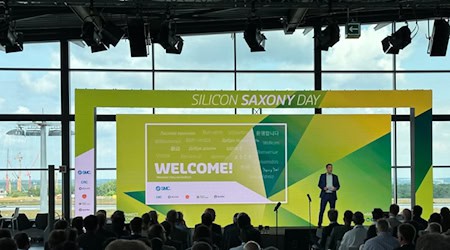
While Germany's economy is stagnating, Saxony's high-tech sector continues to grow. More international guests than ever before are attending the anniversary edition of Silicon Saxony Days - and the number of employees has reached a new milestone. But behind the scenes of this success, the pressure is also mounting. | more
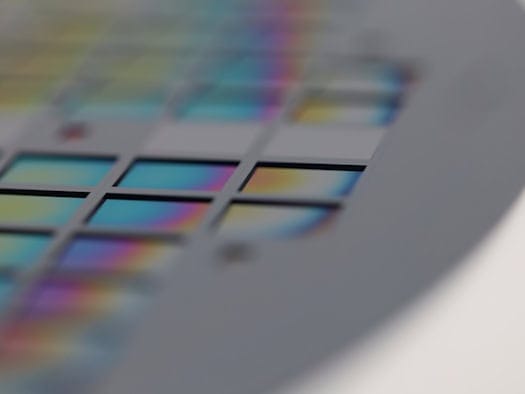
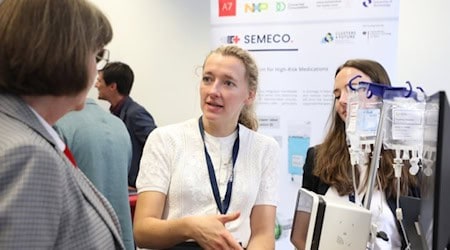
Tiny chips are set to revolutionize the medicine of tomorrow. The Dresden-based research cluster SEMECO is developing semiconductors that will make hospitals safer, medical devices smarter, and treatments more effective. With 15 million euros in funding, the project is now entering a crucial phase. | more
Gute Nachrichten tun gut. In unserem freitäglichen Good Newsletter bündeln wir die Geschichten, die Mut machen, inspirieren und zeigen, was in Sachsen vorangeht. Jetzt abonnieren und positive Nachrichten direkt ins Postfach bekommen. | more
Chips are in almost everything we use every day. But how do you make them even more powerful without making them bigger? Researchers at the Fraunhofer IPMS in Dresden have taken a decisive step. They embed tiny chip components in silicon so precisely that a compact overall system is created - with a huge impact for AI, smartphones and more. | more
Major investments are being made in Dresden: Semiconductor manufacturer GlobalFoundries has started the expansion of its factory. 1.1 billion euros are to flow into the site - with great significance for Saxony and Europe's chip industry. | more
In jedem Verein, in jeder Straße, in jedem Treppenhaus gibt es diesen einen Menschen, der einfach da ist – ohne Bezahlung, ohne Applaus, oft ohne ein einziges Dankeschön. DIE SACHSEN NEWS startet eine neue Serie und sucht genau diese Menschen: Sachsens Alltagshelden. Und die Chancen stehen gut, dass Sie selbst schon eine oder einen kennen. | more
Perpetual chemicals, PFAS for short, can be found in raincoats, pans and every chip. Researchers at Fraunhofer ENAS in Chemnitz are working with European partners to ban these toxic substances from chip production. Their new process could make the semiconductor industry cleaner, more energy-efficient and healthier. | more
Tiny chips are to make therapies safer and save lives. The Dresden research project SEMECO is receiving a further 15 million euros from the federal government. Together with industrial partners, TU Dresden is developing medical semiconductors for networked infusion systems, portable ultrasound devices and smart implants. The modular approach is intended to bring medical products to market more quickly. | more
In Dresden-Pieschen fertigt Andrea Rehn im Zentralwerk personalisierte Geschenke für frischgebackene Eltern und deren Familien. Besonders gefragt sind bestickte Windeln mit Geburtsdaten sowie kreative Windeltorten – und das nicht nur online, sondern auch deutschlandweit über DM-Märkte. Jetzt gibt es 10 Prozent Rabatt im Shop. | more
From the community to the conference: Brains on Silicon brings international AI experts to Dresden in 2025 - with Philipp Klöckner and Frank Fitzek. | more
Silicon Saxony warns of new dependencies in the European debate on AI gigafactories. The industry association is calling for the targeted use of European semiconductor technologies - and is offering the German government close cooperation. | more
Zahnbehandlungen können in Deutschland schnell zur finanziellen Belastung werden. Besonders bei Implantaten, Kronen, Brücken oder umfangreichem Zahnersatz liegen die Kosten häufig im vierstelligen Bereich. Viele Patienten stehen dann vor einer schwierigen Entscheidung: Behandlung durchführen lassen und hohe Eigenanteile zahlen – oder den Eingriff aufschieben, obwohl er medizinisch sinnvoll wäre. | more
Intel postpones the construction of its chip factory in Magdeburg by two years. Silicon Saxony Managing Director Frank Bösenberg warns of the consequences for Europe's semiconductor industry. | more
Saxony is exhibiting at the CES electronics trade fair in Las Vegas and presenting itself as a high-tech location. A trip to Silicon Valley is then planned to establish business contacts. | more
Rückenschmerzen, ein verspannter Nacken oder ein schmerzendes Gesäß können längere Radtouren schnell unangenehm machen. Häufig liegt das nicht am Fahrradfahren selbst, sondern daran, wie gut Fahrrad und Fahrer zusammenpassen. Vor allem Lenkerposition, Vorbaulänge, Oberkörperhaltung sowie Sattel und Sattelhöhe beeinflussen, wie komfortabel man unterwegs ist. | more
Investments at Infineon and Globalfoundries, a new building at technology group Jenoptik and the planned relocation of TSMC as a major project: "Silicon Saxony" is growing and Saxony's high-tech industry is optimistic about 2024. | more
The establishment of TSMC in Dresden strengthens Saxony's reputation as a European center of semiconductor high technology and attracts further international companies. | more
Auf dem Weg zur Arbeit, beim Spaziergang durch Dresden oder beim Warten auf die nächste Bahn – überall können sie liegen: leere Pfandflaschen und Dosen. Für die meisten sind sie Müll, für andere ein kleiner Schatz. Genau daraus macht Pfandpirat eine digitale Schatzsuche, bei der Nutzer Fundorte entdecken, selbst Flaschen melden, Punkte sammeln und gemeinsam auf die Jagd gehen können. Hinter der ungewöhnlichen Idee steckt der Dresdner Sammy Zimmermanns. Wie aus herumliegenden Pfandflaschen ein echtes Spiel für die Stadt geworden ist, lesen Sie hier. | more
For its members, the high-tech network Silicon Saxony e.V. relies on Saxony cloud-based software to manage profiles, news and events. | more
Despite some challenges, Saxony's high-tech industry is experiencing steady and solid growth, according to Silicon Saxony, the industry association. Dirk Röhrborn, chairman of t... | more
Gute Nachrichten tun gut. In unserem freitäglichen Good Newsletter bündeln wir die Geschichten, die Mut machen, inspirieren und zeigen, was in Sachsen vorangeht. Jetzt abonnieren und positive Nachrichten direkt ins Postfach bekommen. | more
With an investment of 4 billion euros, Germany is strengthening its semiconductor industry, with Silicon Saxony playing a key role. | more