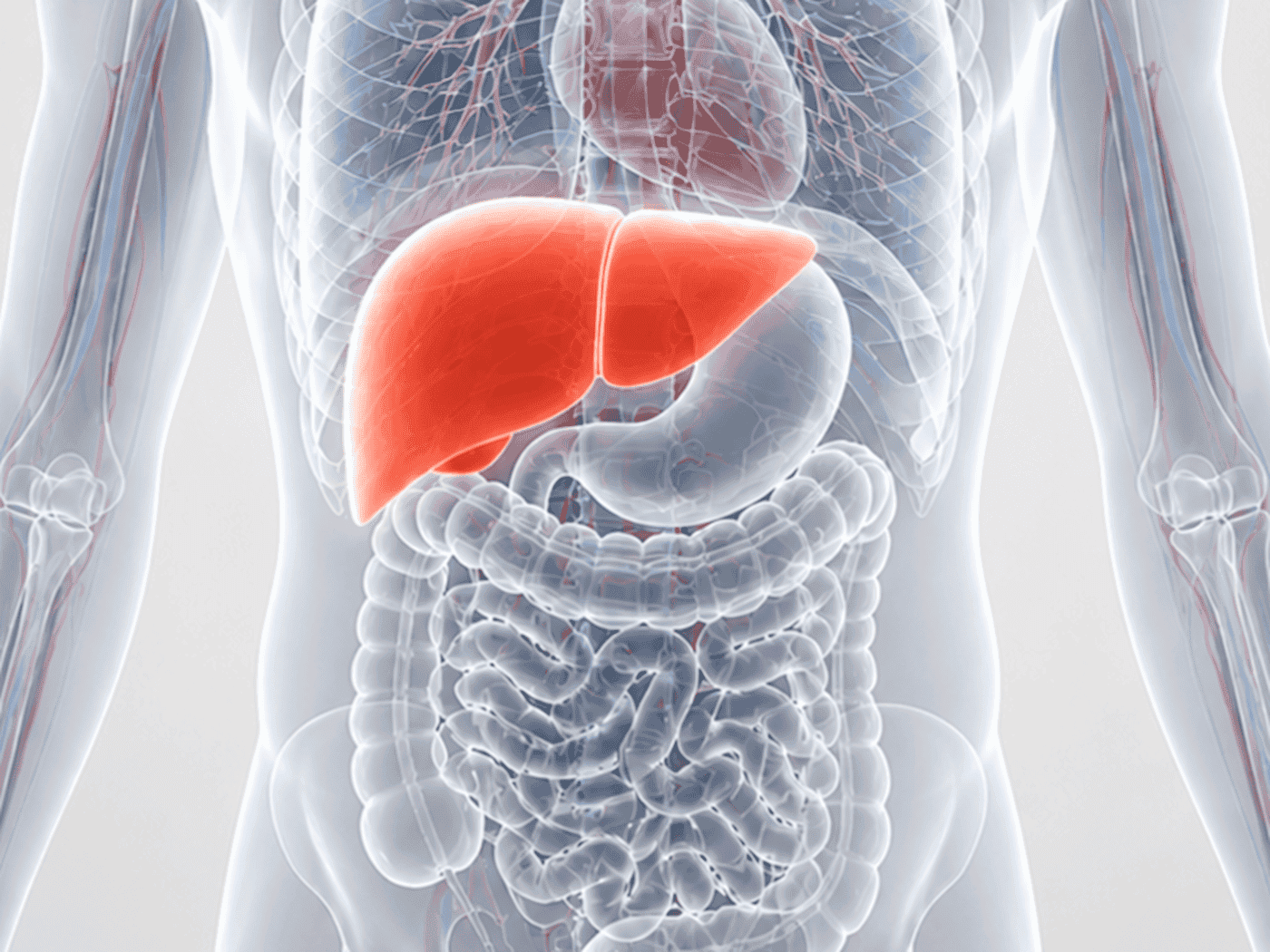
Liver cancer is often detected too late. Researchers at the EKFZ at TU Dresden have developed an AI model that uses routine clinical data to estimate individual risk – potentially enabling earlier diagnosis. | more
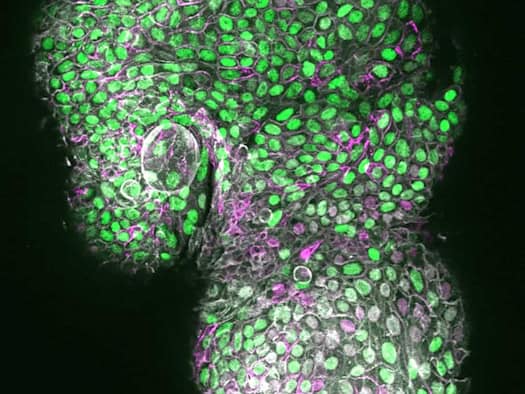
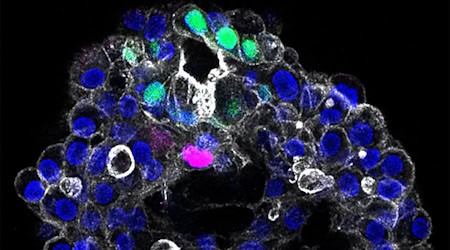
The liver can heal itself – but exactly how this works has long remained a mystery. Researchers at the MPI-CBG in Dresden have now developed a tiny lab-grown model that recreates this process for the first time. It could help scientists better understand and treat liver diseases. | more
In jedem Verein, in jeder Straße, in jedem Treppenhaus gibt es diesen einen Menschen, der einfach da ist – ohne Bezahlung, ohne Applaus, oft ohne ein einziges Dankeschön. DIE SACHSEN NEWS startet eine neue Serie und sucht genau diese Menschen: Sachsens Alltagshelden. Und die Chancen stehen gut, dass Sie selbst schon eine oder einen kennen. | more
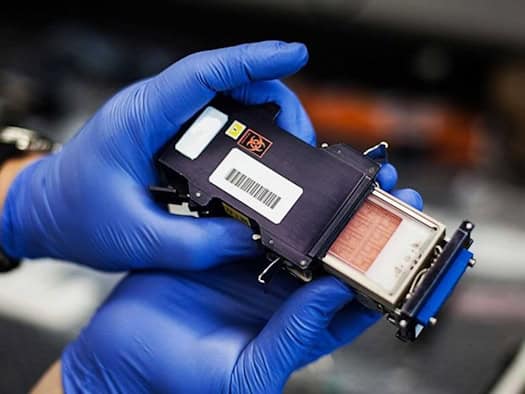
Dresden researchers are sending tiny, laboratory-grown mini-livers into space. What weightlessness does to liver tissue should not only protect astronauts - but also open up new avenues in medicine. | more
Normal weight does not automatically mean healthy. Researchers in Leipzig have developed a new index that reveals hidden metabolic disorders. The metabolic BMI analyzes the blood and shows: One in three slim people has a greatly increased risk of diabetes and fatty liver. Intestinal bacteria play an important role in this. | more
Over two million people die of liver disease every year. Researchers at the Max Planck Institute in Dresden have now developed a three-dimensional liver model from real patient cells. The mini-liver can mimic important functions and should help to better understand diseases, test new drugs and develop personalized therapies. The study was published in Nature. | more
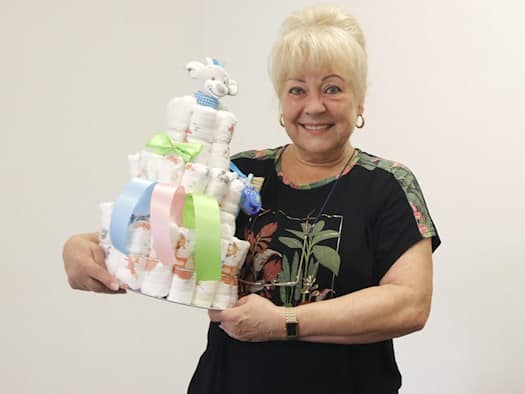
In Dresden-Pieschen fertigt Andrea Rehn im Zentralwerk personalisierte Geschenke für frischgebackene Eltern und deren Familien. Besonders gefragt sind bestickte Windeln mit Geburtsdaten sowie kreative Windeltorten – und das nicht nur online, sondern auch deutschlandweit über DM-Märkte. Jetzt gibt es 10 Prozent Rabatt im Shop. | more