Logo Die Sachsen News
Nachrichten / Health

A molecular switch that could save lives

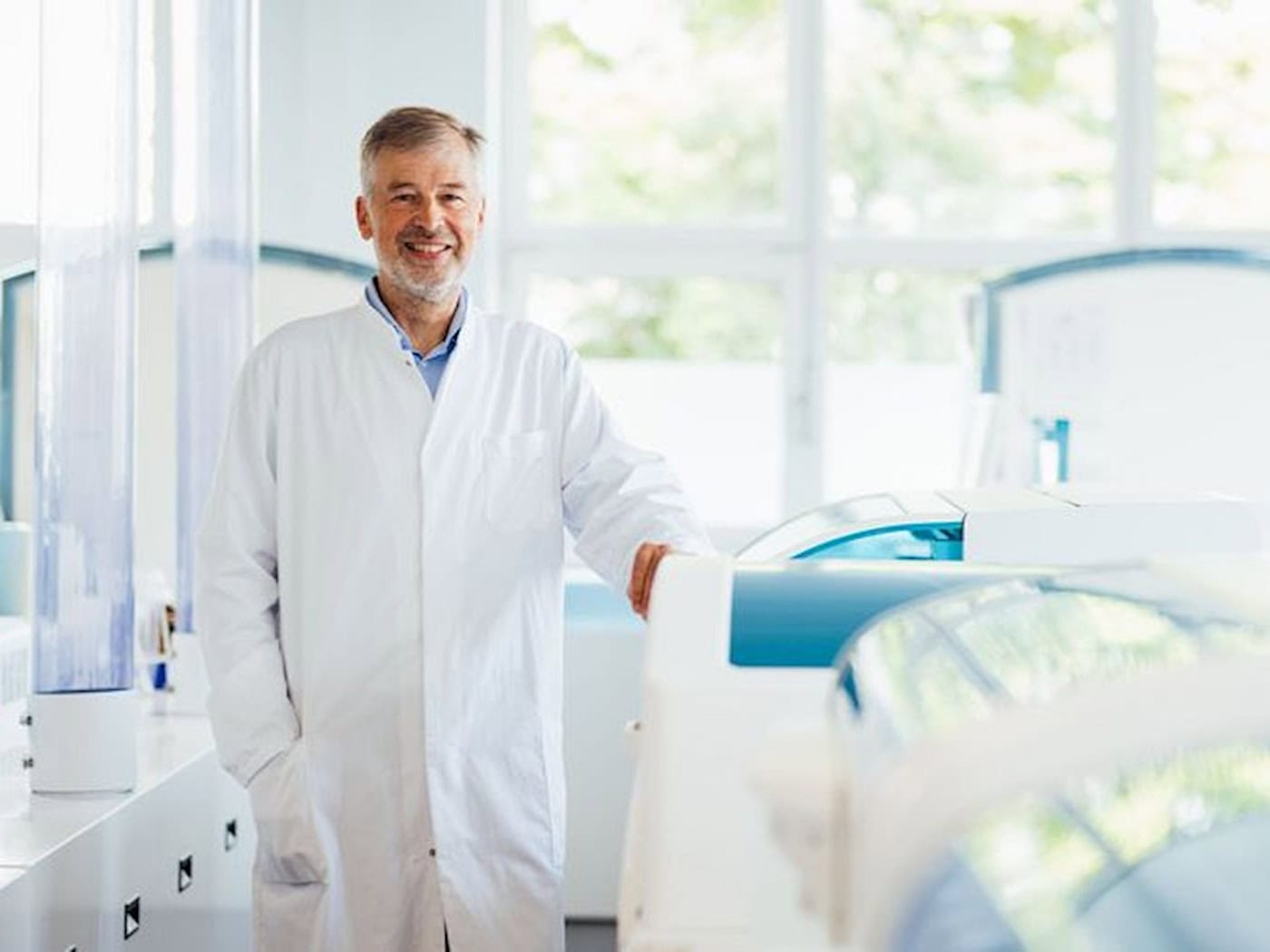
Focusing on inflammation and blood clotting: Prof. Berend Isermann is researching one of the most mysterious processes in the human body at Leipzig University.
Prof. Berend Isermann in the laboratory at Leipzig University: the physician is looking for molecular switches that could stop dangerous bodily reactions. © Christian Hüller
Von: Wissensland
Why do people die not from the actual trigger, but from an excessive reaction of their own body? Prof. Berend Isermann from the University of Leipzig is investigating exactly this question. In medicine, this phenomenon is known as thrombo-inflammation. Isermann and his team have identified a molecular “switch” that could one day make it controllable.

Many people who became seriously ill with Covid-19 did not die from the virus itself, but from the consequences of a misguided reaction of the body. An out-of-control combination of inflammation and blood clotting led to severe complications. This process is known in medicine as thrombo-inflammation. Prof. Berend Isermann from the University of Leipzig has been researching it for years. “It plays a role in almost all diseases,” says Isermann. The pandemic revealed how large the gap still is: “This disastrous experience has made us realize that we still have no therapy for thrombo-inflammation.”

Thrombo-inflammation occurs when the interplay between coagulation and inflammation falls out of balance. Normally, these processes protect the body, for example after an injury or during pregnancy. But when this balance is disrupted, they can cause serious harm. Thrombo-inflammation plays a central role in diseases such as diabetes, heart disease and kidney disorders.

Mehr aus dieser Kategorie

Searching for the molecular switch

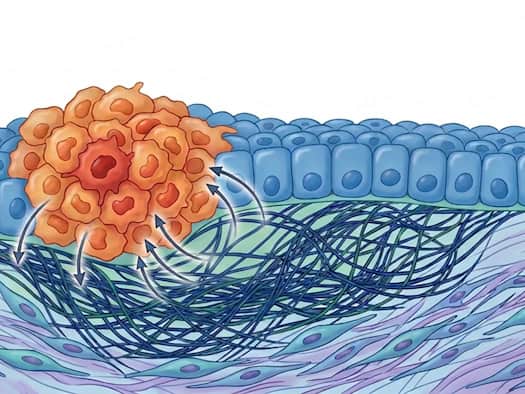
Isermann and his team aim to understand how cells decide whether to survive or die. A key focus is the so-called tissue factor. Previously known as a trigger of blood clotting, it appears to have additional functions. “We have discovered that tissue factor in the kidney forms a previously unknown link to a central regulator of inflammation,” he explains. “This complex acts like a molecular switch that can turn thrombo-inflammation on or off.”

This points to a mechanism that controls two key processes at once. Since the Covid-19 pandemic, research into the interaction between inflammation and blood coagulation has intensified worldwide. Many existing therapies target only individual processes, such as clotting or the inflammatory response. Researchers are therefore looking for mechanisms that influence both systems simultaneously. The Leipzig team’s work follows this line of research, investigating whether central molecular control points can be identified to regulate these complex processes more precisely.

From laboratory to therapy

Isermann is also studying how such switches affect cellular metabolism. “If we understand metabolism at the cellular level, we can better understand metabolic diseases – and perhaps even cure them.” The research is being carried out in close collaboration with partners in Leipzig, including the LeiCeM Cluster of Excellence and a Collaborative Research Center.

The identified switch has already been observed in kidney disease, after heart attacks in animal models, in severe Covid-19 cases and in auto-inflammatory diseases. The next step is to make its activity measurable in humans. This could help to better assess disease progression and develop new therapies that specifically regulate inflammation and coagulation.

Die Übersetzungen werden mithilfe von KI automatisiert. Wir freuen uns über Ihr Feedback und Ihre Hilfe bei der Verbesserung unseres mehrsprachigen Dienstes. Schreiben Sie uns an: language@diesachsen.com.
Wissensland
Artikel von

Wissensland

Wissensland ist für die Inhalte selbst verantwortlich. Es gilt der Kodex der Plattform. Die Plattform prüft und behandelt Inhalte gemäß den gesetzlichen Vorgaben, insbesondere nach dem NetzDG.

METIS