


Water under pressure: How research is testing solutions
Water comes out of the tap. We take that for granted. But for how much longer? Climate change, growing cities, and increasing pollution are putting water systems under pressure. Researchers at the Helmholtz-Zentrum Dresden-Rossendorf (HZDR) are investigating how these systems can be safeguarded in the future. Through two projects in Leipzig and along the Elbe, they are exploring how science can help protect water resources.
The Helmholtz Association has provided around nine million euros from its Initiative and Networking Fund. Nine research centers are working together with industry, policymakers, and the public to develop solutions. At the heart of the initiative are so-called Solution Labs – real-world settings where new ideas are tested in practice at different scales.
When streets and parks save the water
Leipzig serves as a testing ground for the city of the future. Cities face a double challenge: they contribute to climate change while also being particularly vulnerable to its impacts. Heatwaves, flooding, and water shortages are becoming more frequent and more severe. The URBAN-LE Solution Lab takes a new approach, known as the “blue-green-red” concept. Blue stands for water, green for vegetation and urban green spaces, and red for energy systems. Instead of planning these elements separately, researchers consider them together to better adapt water supply, infrastructure, and the environment to climate change.
“Urban resilience can no longer be achieved through isolated solutions,” says Dr. Sebastian Reinecke, Head of the Innovation Lab CLEWATEC at HZDR. “We need integrated systems in which water infrastructure, urban ecosystems, and energy and heat supply are planned together – only then can cities truly adapt to a changing climate.” The science park in Leipzig will serve as the project’s first case study..
What the foam of the Elbe reveals
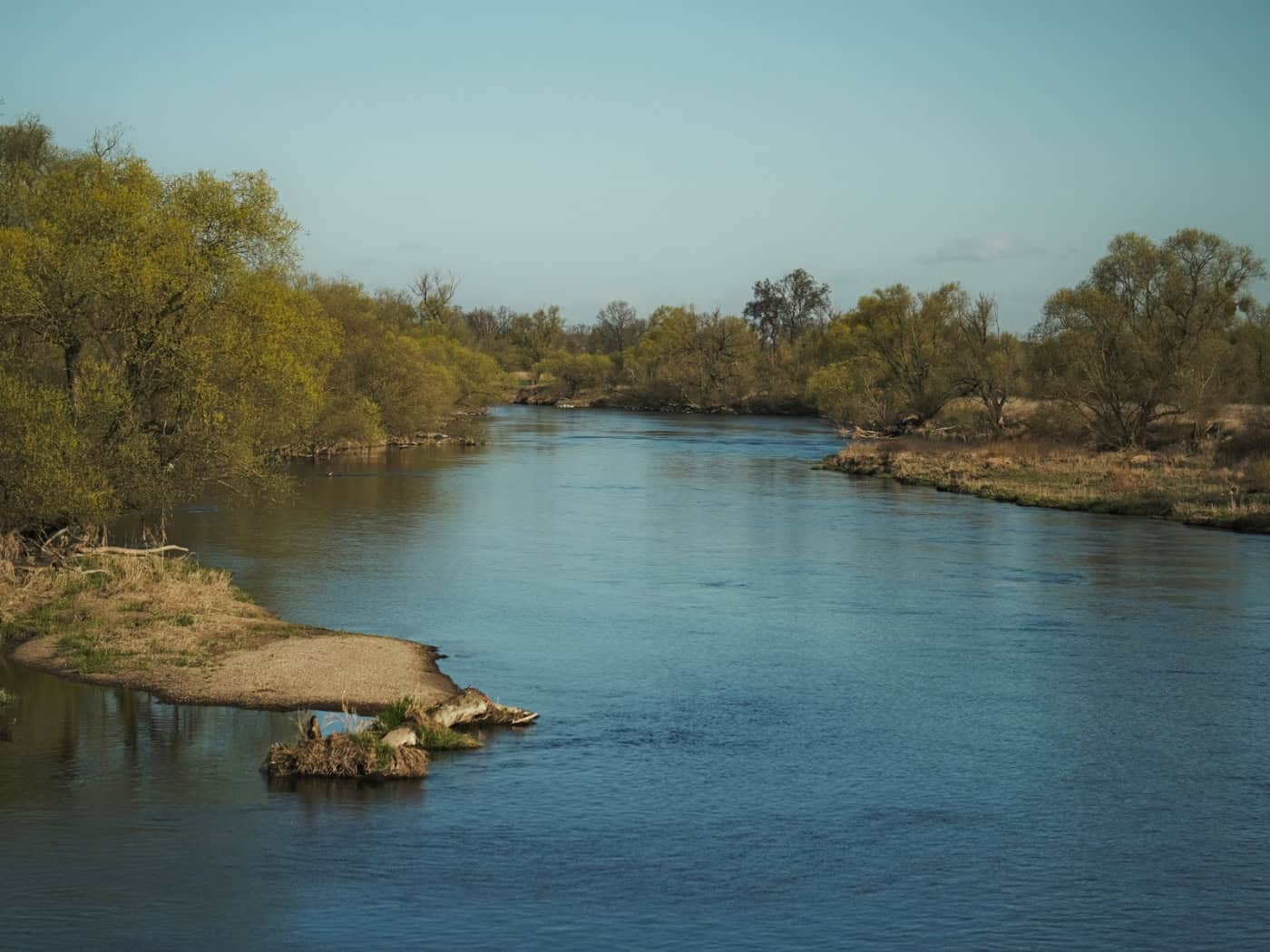
Rivers are also under pressure. Dams, land-use changes, and pollution have significantly altered natural water systems such as the Elbe. This is where the SOLVE project comes in. The name stands for “Helmholtz Solution Lab Elbe River Basin.” Seven Helmholtz centers and ten additional partners are studying the Elbe catchment area. Their goal is simple: to retain water in the landscape. This includes restoring floodplains and improving natural water storage. “Our aim is to overcome fragmented approaches and develop a holistic understanding of river systems,” explains Dr. Gregory Lecrivain, lead scientist of the SOLVE project. His team combines hydrology, ecology, and social sciences.
HZDR researchers are using innovative methods. They analyze foam on the water surface, where microorganisms, proteins, and other organic compounds accumulate and form stable structures. The properties of this foam can reveal the presence of pollutants. In addition, the researchers extract sediment cores from the Elbe floodplain and expose them to simulated flood events in the laboratory. Using high-resolution X-ray imaging and neutron-based techniques, they observe how water moves through different soil layers. This provides new insights into groundwater dynamics.
HZDR’s work is part of a broader international effort. Researchers worldwide are looking for ways to better protect water and secure it for the future. It is becoming increasingly clear that isolated measures are not enough. Instead, entire regions, cities, and ecosystems need to be considered together. This includes restoring rivers to a more natural state and retaining more water in the landscape. The HZDR projects put these ideas into practice by testing them under real-world conditions.

