


Not all cancers are the same. Around 90 percent of all cancers are so-called solid tumors. These are growths that form solid tissue, for example in the lungs, breast or intestines. It is precisely these tumors that are particularly difficult to treat. Current immunotherapies often fail to penetrate the dense tumor tissue. A team at TU Dresden is now working on a new approach and is receiving 2.5 million euros from Brussels.
The researchers at the Center for Regenerative Therapies Dresden (CRTD) are focusing on macrophages. These are immune cells that recognize and eliminate pathogens. The problem so far: conventional macrophages could not be produced in large quantities and quickly lost their effect in tumor tissue. The team led by Prof. Michael Sieweke has now modified these cells so that they attack cancer cells effectively and sustainably.
Cell therapy for more patients
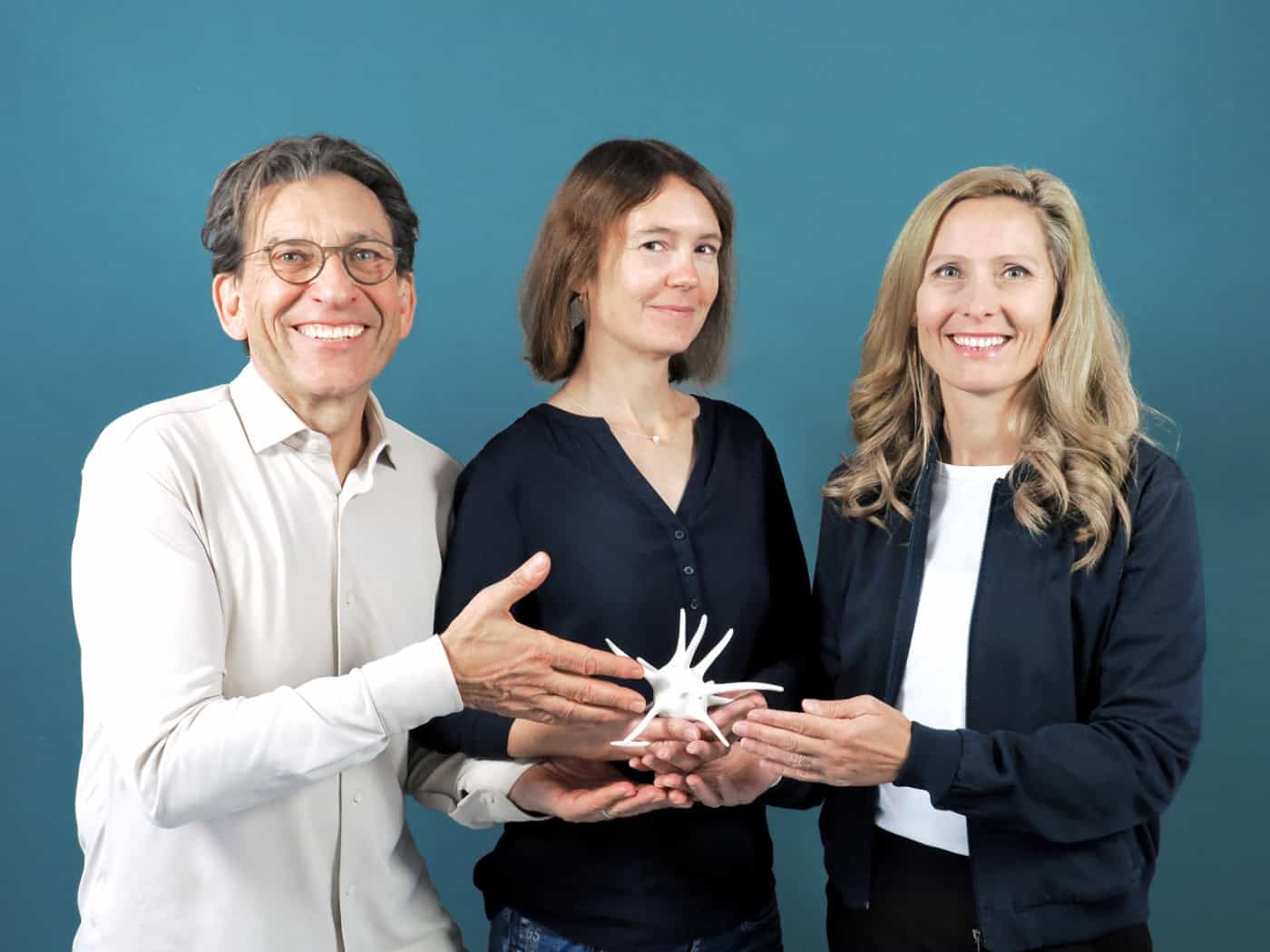
"You can think of them as genetically optimized 'super macrophages'," says Sieweke, Alexander von Humboldt Professor at the CRTD. "Building on decades of research, we have developed macrophages that can be multiplied on a large scale and are capable of sustainably fighting solid tumors." The modified cells should be able to penetrate deep into tumor tissue, remain active there in the long term and attack cancer cells permanently. The planned start-up is called EliaCell and is headed by Dr. Anke Fuchs and Dr. Angela Jacobi alongside Sieweke.
Cell therapies have been complex and expensive up to now because they often have to be produced individually for individual patients. EliaCell takes a different approach: the modified macrophages are to be produced in large quantities and can be used as required. "Our production process already meets the strict requirements for cell-based therapies and is designed in such a way that it can be easily scaled up for mass production," explains Dr. Anke Fuchs, research group leader for advanced therapies at the CRTD.
From the lab to practice
Intense research is being carried out around the world to target the immune system against cancer. This is already working well for some forms of blood cancer. With solid tumors, such as in the lungs or intestines, this is much more difficult. The tissue is dense and many immune cells do not penetrate deep enough or quickly lose their effect. This is why new approaches are focusing on macrophages, immune cells that can naturally penetrate such tissue. Initial studies are already underway. The Dresden project is one of these new developments. It is not just about the idea itself, but also about producing the therapy in such a way that it can later actually be used in patients.
The project is funded by the European Innovation Council (EIC). StemPhage is one of only three projects that the EIC is funding in Germany and is one of the 40 projects selected from a total of 611 Europe-wide applications. The aim is to develop a cell therapy of clinical quality and prepare an initial clinical trial. The EliaCell team is also working closely with the SaxoCell future cluster for living drugs in Saxony and with clinical partners at the University Hospital Carl Gustav Carus Dresden.

