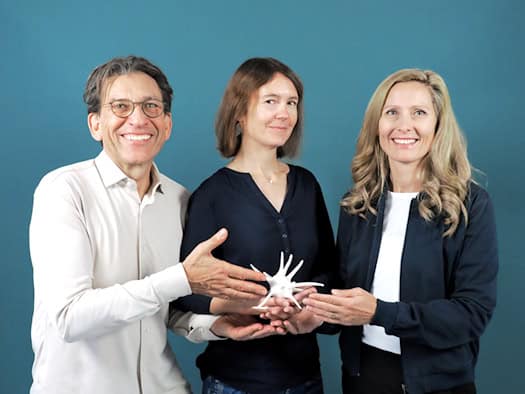

Around 90 percent of all cancers are so-called solid tumors – growths that form dense tissue. Many of them remain difficult to treat. Researchers at TU Dresden have genetically modified immune cells so that they can penetrate deep into tumor tissue and potentially attack cancer cells over the long term. The EU is now funding the project with 2.5 million euros. | more
A blood test using just a few drops of blood could help prevent severe diabetic crises in children. Researchers at TU Dresden and Carl Gustav Carus University Hospital are involved in a European project to detect type 1 diabetes before symptoms appear. So far, 100,000 children have been screened. | more
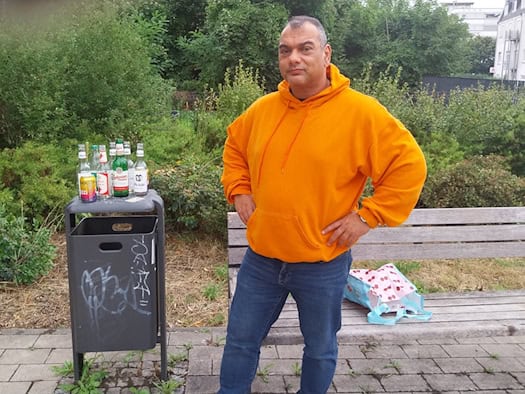
Auf dem Weg zur Arbeit, beim Spaziergang durch Dresden oder beim Warten auf die nächste Bahn – überall können sie liegen: leere Pfandflaschen und Dosen. Für die meisten sind sie Müll, für andere ein kleiner Schatz. Genau daraus macht Pfandpirat eine digitale Schatzsuche, bei der Nutzer Fundorte entdecken, selbst Flaschen melden, Punkte sammeln und gemeinsam auf die Jagd gehen können. Hinter der ungewöhnlichen Idee steckt der Dresdner Sammy Zimmermanns. Wie aus herumliegenden Pfandflaschen ein echtes Spiel für die Stadt geworden ist, lesen Sie hier. | more
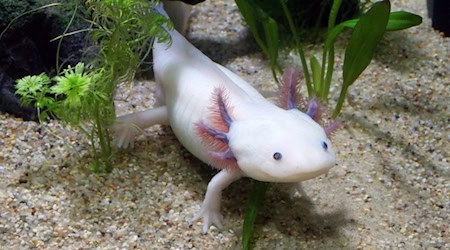
Axolotls can regrow lost limbs - always in the perfect size. Scientists from Dresden have now deciphered how this works. Their mathematical model shows that two messenger substances work together as an intelligent measuring system. The findings could also be important for us humans. | more