


The human-dog bond is stronger worldwide than previously thought
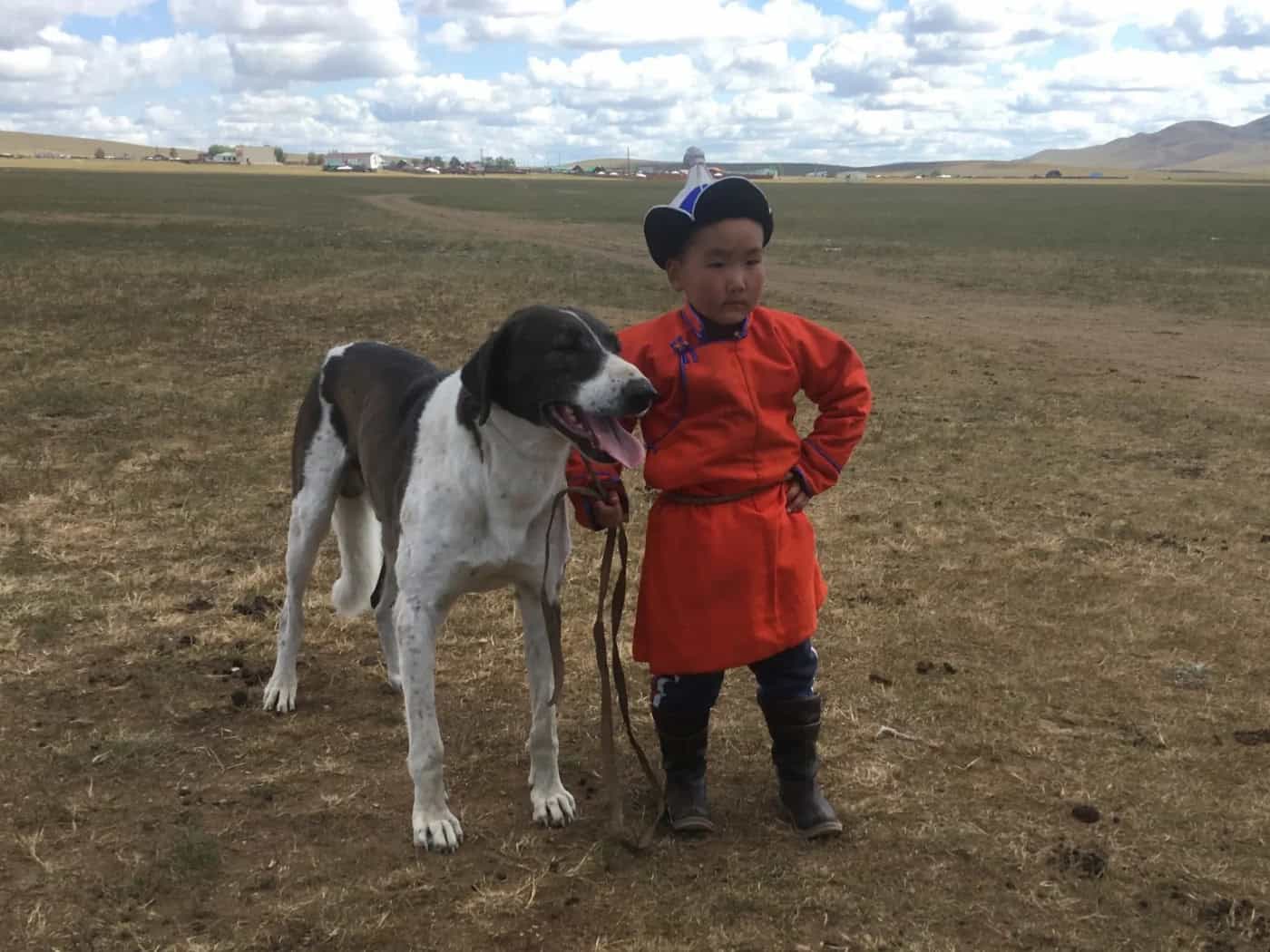
A glance, a gesture, a step toward each other – and the dog understands. Many people are familiar with this kind of interaction from their own daily lives. But does it also apply to hunting dogs in the forests of Vanuatu or on the steppes of Mongolia? Yes, according to a new study on the human-dog bond. Until now, research has focused primarily on Western societies. Yet most dogs worldwide do not live as family pets on the couch, but rather as hunting or guard dogs.
Researchers from Friedrich Schiller University in Jena and the Max Planck Institute for Evolutionary Anthropology in Leipzig studied 164 human-dog pairs in five countries: Germany, Vanuatu, Mongolia, Madagascar, and Peru. They wanted to find out whether the close bond between humans and dogs, as we know it in the West, also exists elsewhere in the world.
Dogs understand us – everywhere
The team developed six behavioral tests. The dogs had to come when called, follow human pointing gestures to find hidden food, or seek guidance from their owners in uncertain situations. In addition, the owners completed a questionnaire about their relationship with their dogs.
In all five societies, the dogs demonstrated similar social skills. They used people’s pointing gestures, communicated with their owners, and sought eye contact with them in unfamiliar situations. The animals were not only able to follow human cues; communication worked both ways: In tasks where only the dog knew where food was hidden, humans and dogs often successfully worked together.
“Although dogs live with humans almost everywhere, they don’t always do so in the same way,” says Juliane Bräuer, first author of the study and director of the DogStudies project at Friedrich Schiller University in Jena. She wanted to know whether the close relationship, as seen in Western societies, also exists in very different cultural contexts.
More Than Just Work Partners
The questionnaire painted a clear picture. In all five countries, people value their dogs. Nearly all respondents said their lives were better because they had a dog. More than 90 percent stated that they could rely on their dog. Just as many believe their dog would protect them in a threatening situation.
At the same time, there are slight differences. German dogs were more obedient and persistent. Owners in Vanuatu were particularly good at reading their dogs’ signals – because they rely on them when hunting wild boars. “Many of these differences make sense when you look at the dogs’ daily lives,” says Bräuer. “Training, hunting techniques, and social roles influence how dogs interact with humans.”
Dogs were domesticated around 30,000 years ago, earlier than any other animal species. The researchers view their findings as evidence that the human-dog bond has stood the test of time over millennia. “Despite enormous cultural diversity, we found more similarities than differences,” says Russell Gray, director at the Max Planck Institute for Evolutionary Anthropology and senior author of the study. "The bond between humans and dogs appears to be widespread worldwide and to have adapted to very different ways of life."

