


Mittweida University uses the Nürburgring for automotive research
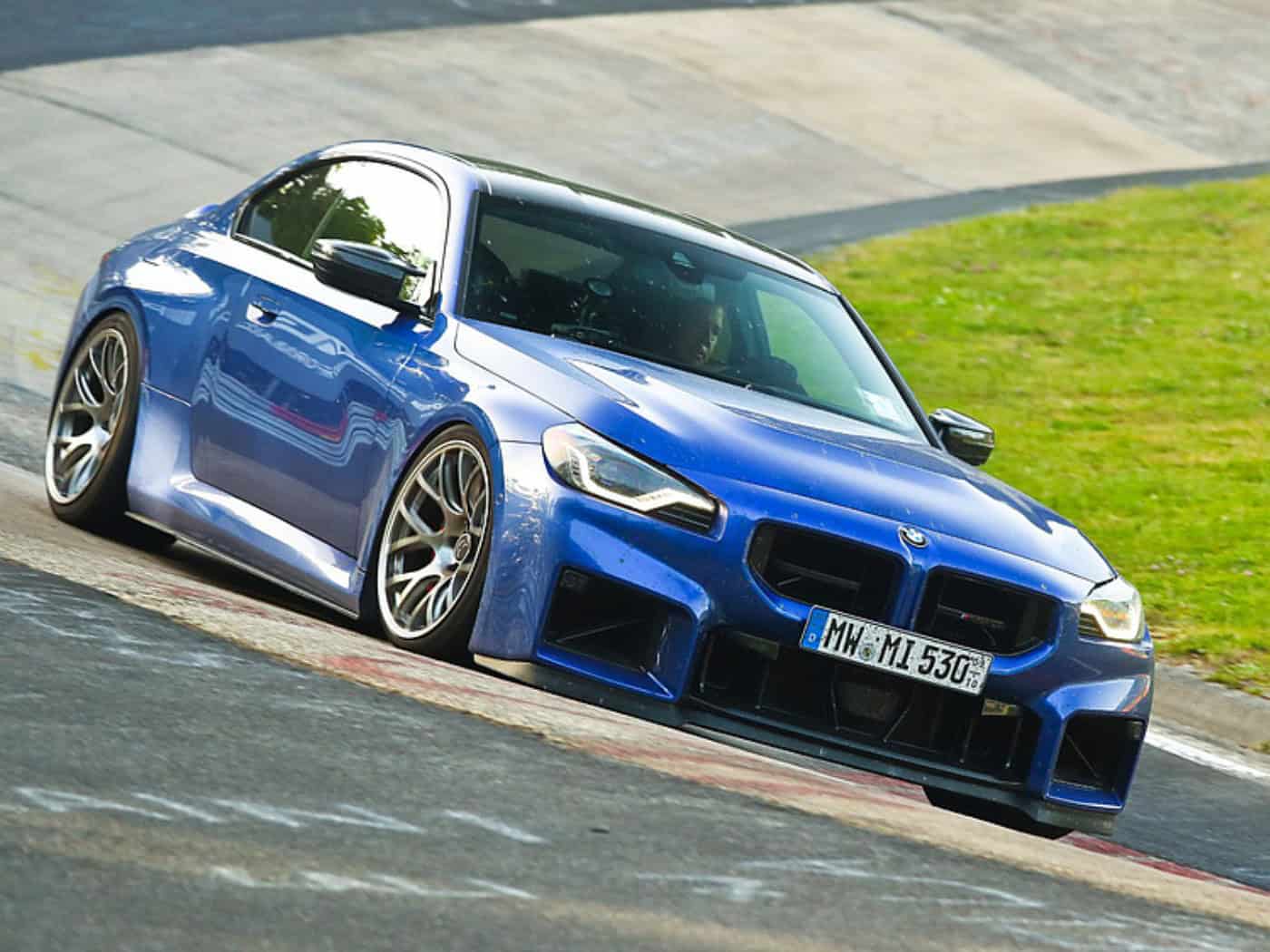
The Nürburgring isn’t just a racetrack for motorsports fans. The Nordschleife is also considered one of the automotive industry’s most important test tracks. Starting in June 2026, a university will participate in the exclusive test and development runs there for the first time. Researchers from Mittweida University of Applied Sciences are collecting data under extreme conditions to enable more realistic computer simulations of vehicles in the future.
Data from the race track for the lab
At the Nürburgring, it’s not about fast lap times. The extreme stresses reveal how brakes, batteries, and sensors perform under difficult conditions. Mittweida University of Applied Sciences collects this data using its own research vehicle, a 530 PS BMW M2, which was funded by industry grants.
The measurement data is analyzed in the “Motion Simulation and Software Development” Living Lab. With the help of artificial intelligence, this data is used to create a digital twin – a virtual vehicle model that behaves on the computer as closely as possible to the real car. This allows new vehicles and individual components to be tested under realistic conditions before they hit the road.
According to Professor Matthias Vodel, head of the Living Lab, this collaboration on vehicle development and data analysis is bringing science and the automotive industry even closer together. Before the university was allowed to participate in the test drives, the researchers had to complete training and pass driving tests at the Nürburgring Driving Academy. Only then did they receive the necessary certification.
Together with partners from Saxony
The test drives are part of a larger research project. Together with six Saxon companies, Mittweida University of Applied Sciences is developing an adaptive simulation platform as part of the SAB InnoTeam project. The project is funded by the EU and the Free State of Saxony. The partners are also using a laser-scanned digital twin of the Nordschleife and comparing real test drives with computer simulations.
Professor Vodel, himself a passionate race car driver, sees great potential in simulation. "New powertrain concepts, autonomous vehicles, and ever-shorter development times are presenting the automotive industry with new challenges. Improved simulations could help develop vehicles faster and more efficiently."
Vodel also sees opportunities for everyday life. “The virtual experience in our simulators is becoming increasingly intense and immersive. We hope to use this to improve practical driver’s education soon.” According to the researchers, test drives on the racetrack will nevertheless remain indispensable. Simulations can complement them, but cannot completely replace them.

