Logo Die Sachsen News
News / Environment

Research on insect species at the former inner-German border

Research on insect species at the former inner-German border
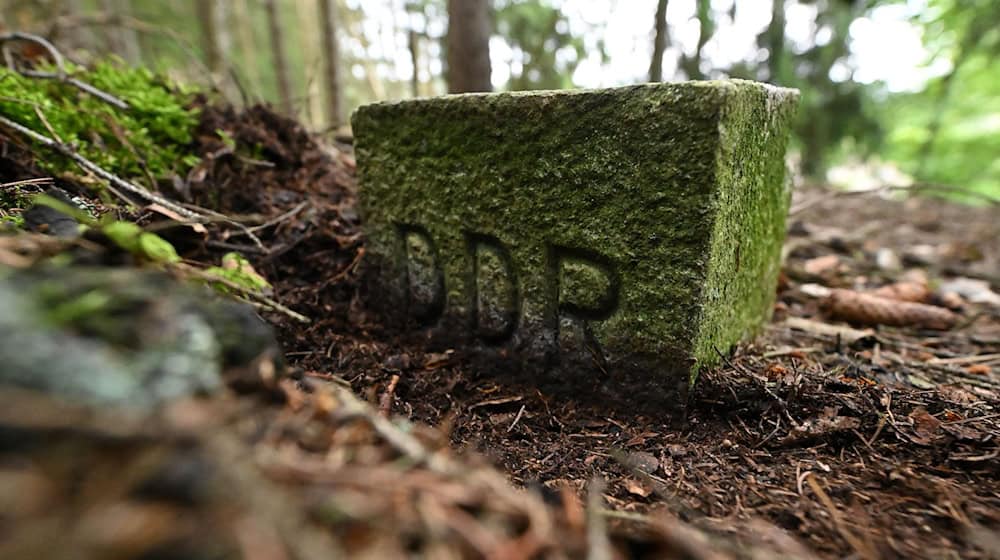
The former German-German border is now considered a refuge for animals and plants. (Archive image) / Photo: Martin Schutt/dpa
From: DieSachsen News
Once the "death strip", today the former German-German border is considered a biotope. Insects are now to be recorded along the Green Belt - this should also help with an application.

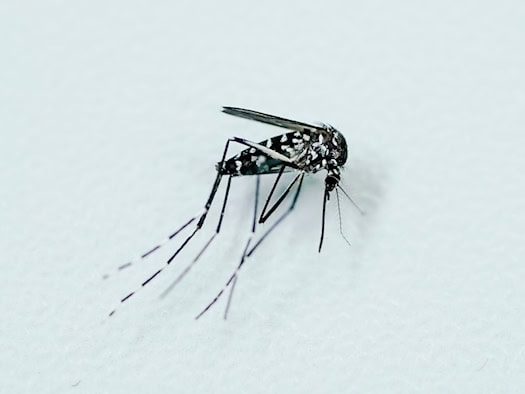
A new research project aims to provide insights into the insect species along the Green Belt, which runs along several German states. For the first time, the insects along the approximately 1,400-kilometre-long former inner-German border strip will be recorded in a broad-based field survey, according to the Bund für Umwelt und Naturschutz Deutschland (BUND).

The Federal Agency for Nature Conservation is funding the project, which is also intended to help with the nomination of the Green Belt as a UNESCO World Heritage Site. Germany had proposed it as a World Heritage Site in 2024.

More from this category

Experts on the hunt for insects

On the route from the Baltic Sea to the Saxon-Bavarian Vogtland region, the new project will primarily focus on flying insects such as rare fritillary and ducat butterflies as well as wild bees. To this end, teams of experts are collecting insect samples, which will then be genetically analyzed. The experts hope to gain an overview of species diversity and draw conclusions about the function of the Green Belt as an insect habitat.

"With this "longest" species survey covering almost 1.400 kilometers, we are also laying the scientifically sound basis for proving the extraordinary universal natural value of the Green Belt," said Hubert Weiger, honorary chairman of BUND, at the launch event in Birx in the Thuringian Rhön.

He also called for the Green Belt to be classified as a National Natural Monument throughout in order to protect it. This legal protection status currently applies to four-fifths of the Green Belt. Specifically, Saxony, Mecklenburg-Western Pomerania and Lower Saxony are in demand, said Weiger.

Particularly species-rich retreat

"The Green Belt is not only historically symbolic. It is also of particular importance for nature conservation," said BfN President Sabine Riewenherm. It serves as a refuge and migration corridor for species that need cooler temperatures in times of climate change.

The area of the Green Belt was excluded from any use for a long time. As a result, nature was able to spread relatively undisturbed and, according to the Federal Environment Ministry, is characterized by a particular wealth of endangered species.

Copyright 2025, dpa (www.dpa.de). All rights reserved

The translations are automated with the help of AI. We look forward to your feedback and your help in improving our multilingual service. Write to us at: language@diesachsen.com.
Sachsen News
Article from

Sachsen News

Sachsen News is responsible for the content itself. The platform's code of conduct applies. The platform checks and treats content in accordance with the legal requirements, in particular the NetzDG.

Social Media