Logo Die Sachsen News
News / Environment

EU millions for field hamsters in Saxony

EU millions for field hamsters in Saxony
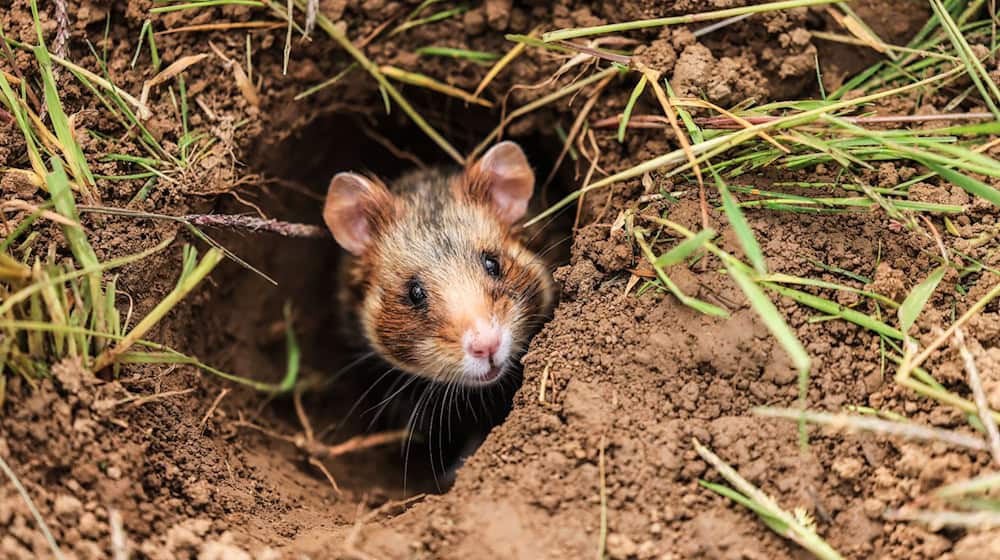
In future, more hamsters are to live in Saxon fields again. (Symbolic image) / Photo: Oliver Berg/dpa
From: DieSachsen News
More hamsters on arable land in Saxony: That is the aim of a new EU-funded project. This is how to get the rodent offspring to thrive.

More little fur-bearers are wanted: the population of hamsters is set to grow in Saxony. A new project funded by the European Union aims to help with this, as announced by the Saxon State Office for the Environment, Agriculture and Geology at the start of "LIFE4HamsterSaxony". The project will run for six years and has a budget of 12.2 million euros. 75 percent of this is being funded by the EU, with the remainder being shared by the state of Saxony, Leipzig Zoo and the district of North Saxony.

According to the report, hamsters will be reared at Leipzig Zoo and later released into the wild. The project also involves cultivating arable land with special "hamster-friendly" cereal and flower strips. The aim is to allow the small field dweller to reproduce independently. The aim is to strengthen the field hamster population in its last habitat in Saxony.

More from this category

400 hectares of farmland for the field hamster

In May, 179 field hamsters had already been released into the wild before the project started. The Environment Agency estimates that the population could already have grown to 300 hamsters. By the end of the project in 2031, 400 hectares of farmland should be habitable for the field hamster.

"Shopping bag" always with them

Field hamsters (Cricetus cricetus) are regarded as "architects below ground" and live in a widely ramified burrow. They grow up to 35 centimetres in size and can weigh up to 500 grams. They hibernate from October to April. With their hamster cheeks, the animals have natural "shopping bags". The cheeks are extremely flexible and are used to transport seeds and grains for the larder in the burrow. Field hamsters are threatened by intensive agriculture and pesticides, for example.

Copyright 2025, dpa (www.dpa.de). All rights reserved

The translations are automated with the help of AI. We look forward to your feedback and your help in improving our multilingual service. Write to us at: language@diesachsen.com.
Sachsen News
Article from

Sachsen News

Sachsen News is responsible for the content itself. The platform's code of conduct applies. The platform checks and treats content in accordance with the legal requirements, in particular the NetzDG.

Social Media