


Put to the test: How does Saxony taste?
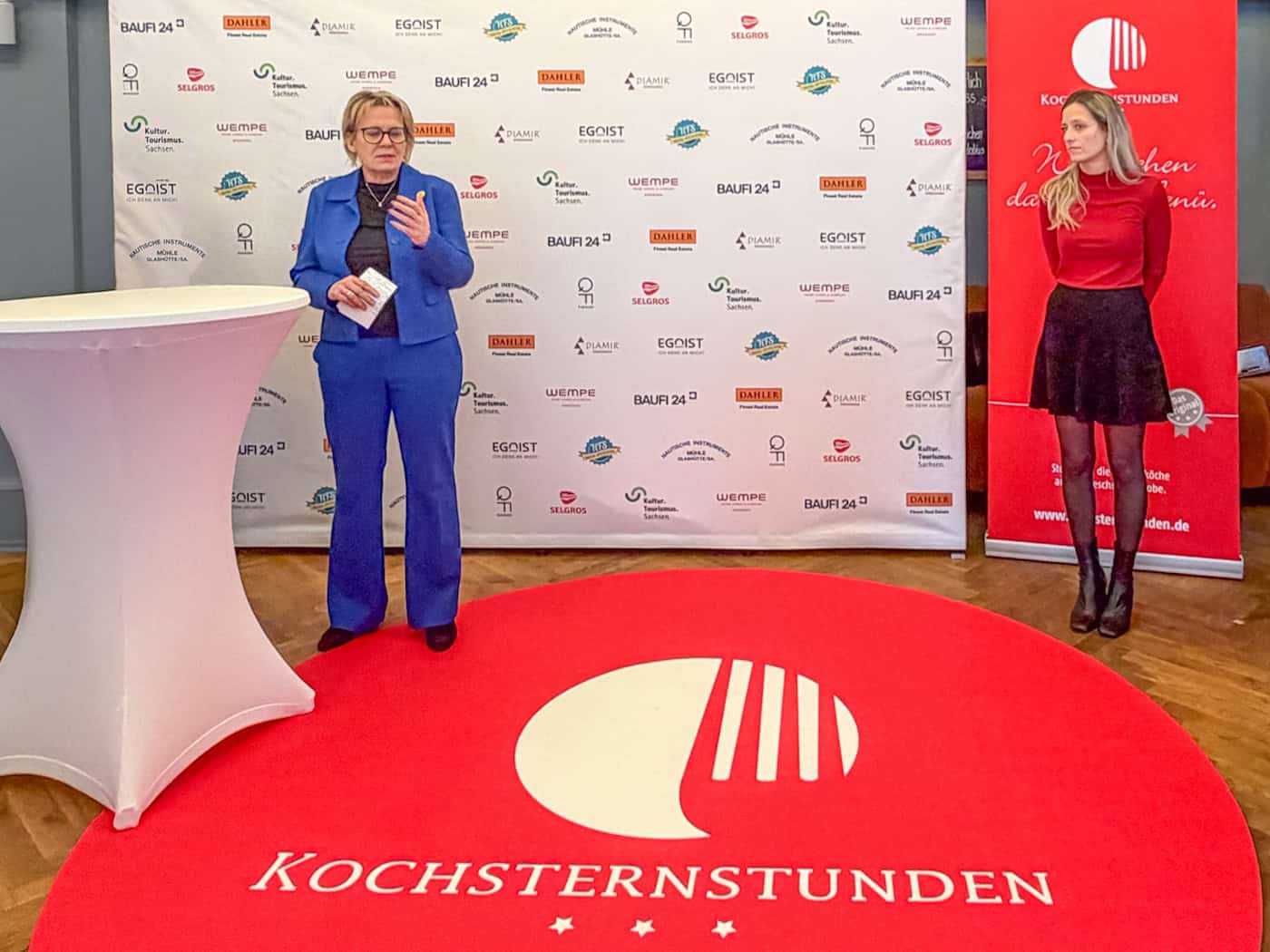
The Rhinelanders have the carnival as their 5th season - and the Saxons (especially those in and around Dresden) have the cooking star hours. This year, the competition is tackling the well-formed figures of gourmets (m/f/d) for the 16th time, with more participating restaurants than ever: you could visit 50 addresses if you can manage it. After all, most of the 50 restaurants are offering three or four courses to show what they can do. Because that's what it's all about from February 6 to March 15, 2026: To make an impression and be rated as highly as possible - and this year for the 16th time.
That was the idea behind the Cooking Star Hours from the very beginning: to create special moments of enjoyment. But just as important was and is the second basic idea that Clemens Lutz, the inventor of Kochsternstunden, had back then: to give restaurateurs a little bit of guest happiness during the usually low-turnover period from the beginning of the year until Easter. It works quite well: last year, a total of 11,390 menus were sold in the 45 participating restaurants at the time - that's an average of 253 menus per restaurant. With 926 menus sold, Stresa in Dresden set the bar extremely high for many guests (happy ones, as the reviews showed). So it's no wonder that siblings Sebastian Böhme and Josefine Persing-Böhme are taking part in the competition for the first time this year with three restaurants: Stresa, Lössnitztalschänke and Hirschsalon (where the press conference for this year's Kochsternstunden took place).
Saxony's Minister of Culture and Tourism, Barbara Klepsch, is the patron of this year's competition. "The Kochsternstunden show how naturally tradition and contemporary cuisine work together in Saxony," said the minister. Because gastronomy is a central component of the tourist experience and (also because of this) an important economic factor for many regions, she is happy to support the competition. "Enjoyment and good food contribute significantly to the satisfaction of guests and are an important part of a wonderful vacation experience. With our "So schmeckt Sachsen" initiative, we are giving this self-image a common framework - from regional cuisine to top gastronomy," emphasized the minister.
And what is true for guests is also true for locals. Anne Zeumer, project manager of the Kochsternstunden, said: "The guests will find many old acquaintances among the participants, but also eleven restaurants that are taking part for the first time: 1328 Restaurant & Bar, Brasserie Bateau, Café Toscana - Restaurant & Patisserie, Gasthof zum Anker, GIOIA Deli Burrata Manufaktur Food & Living, Hirschsalon, Pop-up Kulinarische Bühne, Ranunkelhof and Weingut Karl Friedrich Aust, as well as the two participating restaurants in Leipzig - WUEST Pittlerwerke and HUWA Cafe - Bar - Wohnzimmer."
During the Kochsternstunden, guests rate the participating restaurants in the categories of service, culinary art, creativity, drinks, ambience and value for money. Menu testers also have the chance to win exceptional prizes, such as an exclusive watch duo from Mühle-Glashütte or a trip for two to Tanzania for ten days on safari including flights from DIAMIR Erlebnisreisen.

