

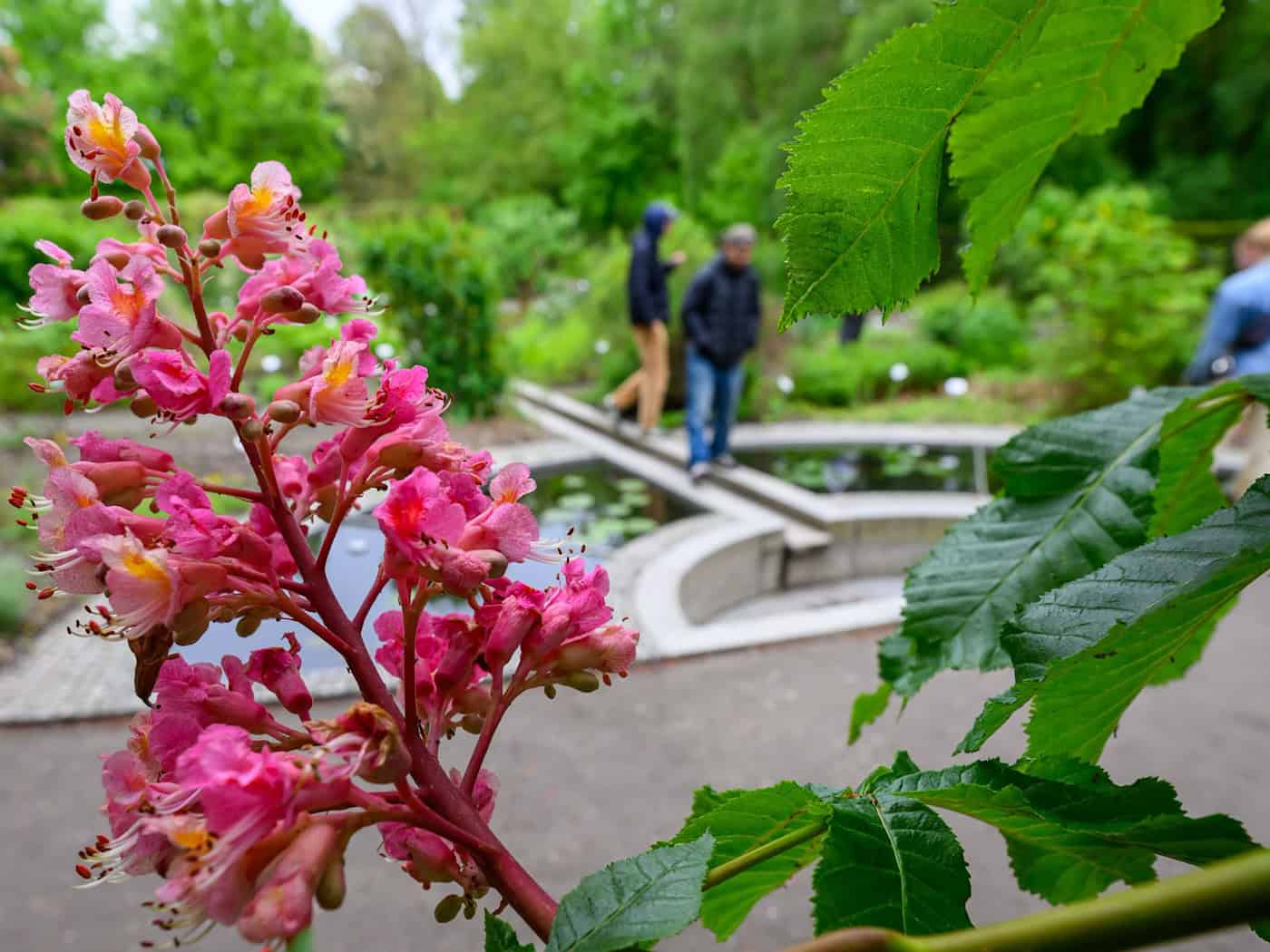
The beds have been prepared, rare plants have been replanted and the season can begin: Numerous special gardens are now opening their doors again in Saxony. An overview: In the Arctic-Alpine Garden in Chemnitz, for example, bizarre-looking plants from high mountains await visitors. "We are not a classic botanical garden with park-like grounds," says Stefan Jeßen from the board of the foundation that was established to preserve the garden. About 4,000 plant species from the cold regions of the world - including the Alps, the Pyrenees and the Asian tundra - grow on around 2,000 square meters. The plants are arranged according to their natural habitats, as Jeßen explains. The garden also works with international scientists - for example, a new plant species was recently discovered. "A shield fern from the Caucasus region," reports Jeßen. Despite the scientific approach, the Walter Meusel Foundation's facility is a garden for visitors - admission is free. An important source of income is the sale of plants. Gardening, plant propagation, species conservation projects and organizational tasks mean a lot of work for the small foundation, emphasizes Jeßen. The garden was founded in 1956 and is celebrating its 70th anniversary this year. The Apothekergarten Leipzig focuses on medicinal plants and their effects. "From the entrance to the exit, the toxicity of the plants increases," says spokeswoman Dorett Bothmann. The garden is part of Leipzig University's Botanical Gardens. Visitors can view medicinal and poisonous plants such as monkshood and deadly nightshade. There are also 25 varieties of lavender. Information boards explain the active ingredients and therapeutic uses. The garden is considered the oldest botanical garden in Germany. It originally belonged to a monastery garden at today's Paulinum. Spokeswoman Bothmann says: "Many Leipzig residents use it as a retreat and pharmacy students learn how to work with medicinal plants there." The Leipzig Botanical Garden attracts around 150,000 visitors a year. While Leipzig and other larger institutions have fixed structures to ensure their operation, the Erzgebirgsgarten in Großrückerswalde is primarily run on personal initiative. The listed private garden with an area of around 4,000 square meters is currently being expanded into a show garden. Oliver Richter is responsible for this and largely looks after the garden himself. "Work is currently underway on paths and plant signage," says Richter. There was EU funding of 15,000 euros for this. The garden, which is more than 100 years old, is certified by the European nature garden initiative "Nature in the Garden". Synthetic chemical pesticides and artificial fertilizers are avoided. Instead of strictly designed plants, Richter focuses on biodiversity and closeness to nature. In addition to plants, the concept also includes wild bee hotels and bats. The season starts at the beginning of March with tens of thousands of early bloomers. According to Richter, more than 100,000 flower bulbs have been planted over the past 20 years. "This is followed later by the native cowslips, which used to be abundant in the adjacent meadows but have been displaced by intensive farming," explains Oliver Richter. He also lists many violets and wild tulips. New fragrant roses and drought-resistant plants will be added in the summer. The garden is mainly open on Saturdays and admission is on a donation basis. The Erzgebirgsgarten is part of a listed manufacturer's villa from the interwar period and has been open to the public for years. Plants mentioned in the Bible grow in Bibelland Oberlichtenau (district of Bautzen), including figs, pomegranates and various herbs. Susanne Förster from the Oberlichtenau-Pulsnitz Christian Association explains that the site is an open-air museum that combines plant life and scenes from everyday biblical life. "You can see a Roman rock tomb or a Bedouin tent, for example." The site is usually accessible on weekdays and admission is via a trust-based ticket office. The site was opened in 2005 and is run by the association on a voluntary basis. According to figures, around 3,000 people visit the site every year. Bibelland is currently preparing for the "Day of Parks and Gardens" on May 31. Numerous visitors are expected to attend. The "Gartenutopie" hands-on garden in Chemnitz has a completely different concept. Around ten years ago, initiator Rajko Nestler created an open community garden on a former wasteland of around 2,500 square meters. "It was a littered area, today it's a little garden idyll," he says. Since 2015, vegetables have been grown there together - from tomatoes and beans to herbs. Around 20 people now regularly cultivate the area. New interested parties join every year. Fruit trees and blackberry hedges are used communally. Wednesdays from 4 p.m. is "open garden" for visitors, reports Nestler. The project sees itself as a low-threshold meeting place for different people and has since inspired similar initiatives in Chemnitz. Copyright 2026, dpa (www.dpa.de). All rights reservedAlpine plants in Chemnitz
Poison and medicine in the heart of Leipzig
Erzgebirgsgarten - a listed private garden for everyone
Bible plants and communal beds in the district of Bautzen
A hands-on garden in Chemnitz


