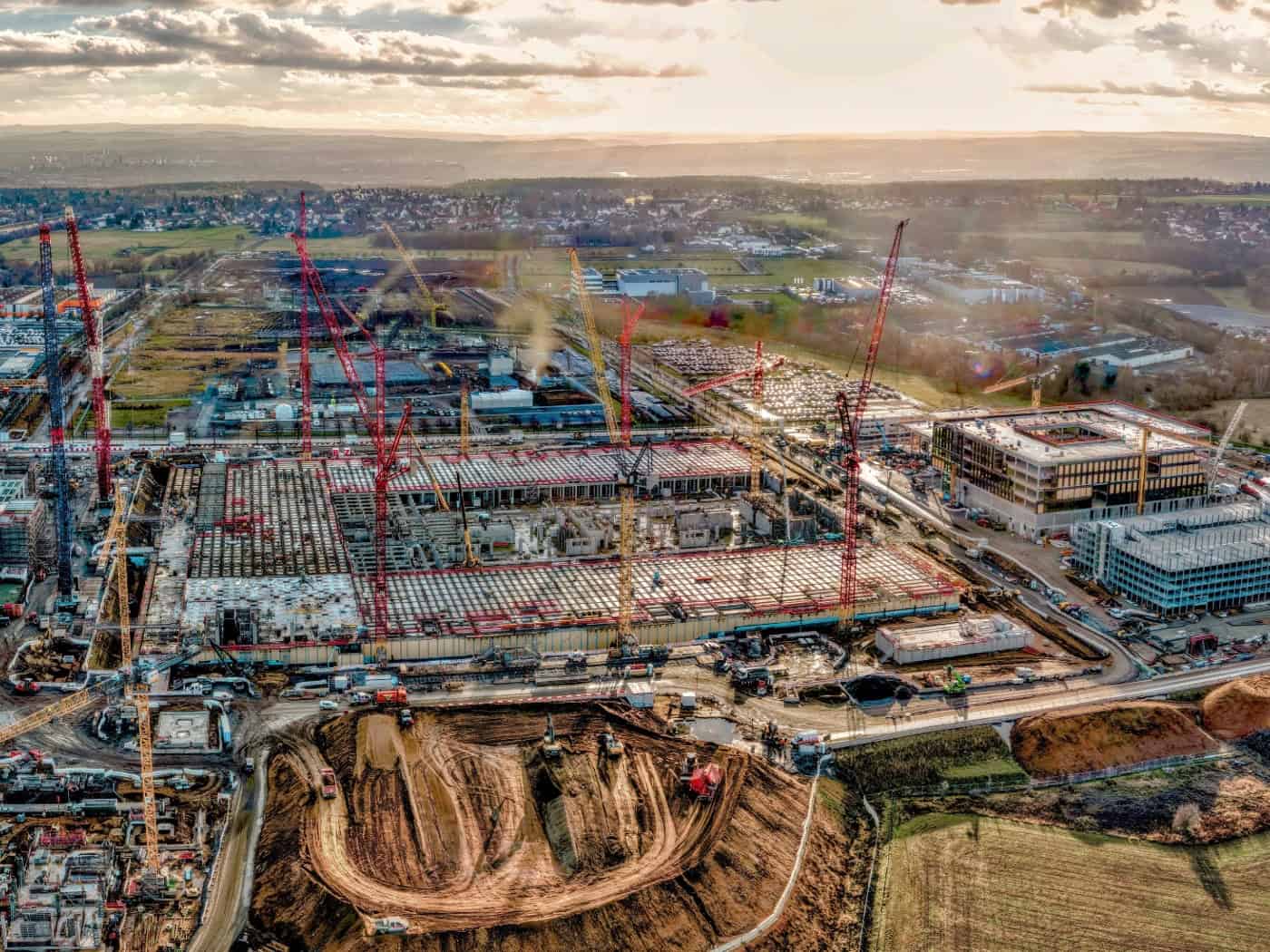
Dresden. Over 8,000 new jobs, nearly 17,000 additional residents expected - and a tram line that won’t be built until the 2030s at the earliest: Dresden’s northern district is growing rapidly thanks to the semiconductor industry, but transportation infrastructure is struggling to keep up. On Tuesday, city leaders presented their plans for the start of construction on Königsbrücker Straße - and made it clear how much of this is beyond their control. At the heart of the matter are two proposals on which the city council is expected to vote on November 26: the “Northern District Transportation and Mobility Concept” and the extension of tram line 8.
Over 8,000 new jobs and significantly more traffic
The numbers behind this are substantial. The city anticipates around 8,000 additional jobs—about 6,300 of them in northern Dresden at ESMC and Infineon—through new business locations and expansions of existing companies. Because many employees will come with their families, a total of just under 17,000 people are expected. Based on current estimates, just under 5,000 of them are likely to live in Dresden, while about 12,000 will commute. The consequences extend far beyond traffic: housing, school, and daycare spots will be needed.
Line 8: 54 million euros, but the terminal stop is located at the Bosch plant
The largest single project is the extension of Line 8 from Hellerau to the Airportpark. For around 54 million euros, the route is set to be extended by 1,800 meters, with two new stops, bringing the total to four accessible stops. One catch: The terminal stop is located near the Bosch plant. There are still a few hundred meters to cover to reach the new ESMC plant. Transportation Commissioner Kühn is counting on “innovative solutions for the last mile,” such as bike-sharing and shuttle buses. The train doesn’t reach GlobalFoundries, but: “The route for an extension to GlobalFoundries is being kept open for the future,” says Kühn.
Funding has not yet been secured either. The city is hoping for more than 33 million euros in subsidies; after deducting the shares of other stakeholders, the city and DVB would have to contribute approximately 16.2 million euros themselves. And the timeline is long: “Construction is no longer expected to begin this decade,” said Kühn. So it remains to be seen when the train will run.