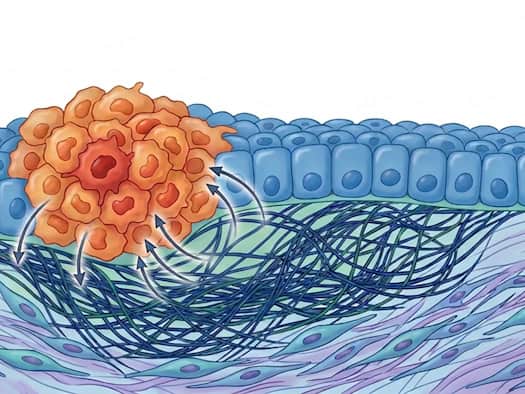
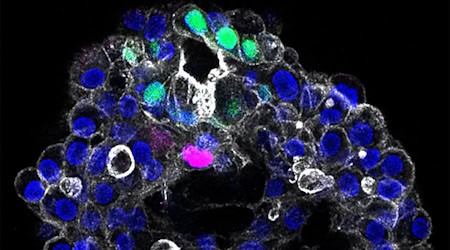
Why do some tiny tumors survive while others disappear? Researchers from Dresden and Cambridge have a surprising answer: cancer cells build their own protective zone. | more
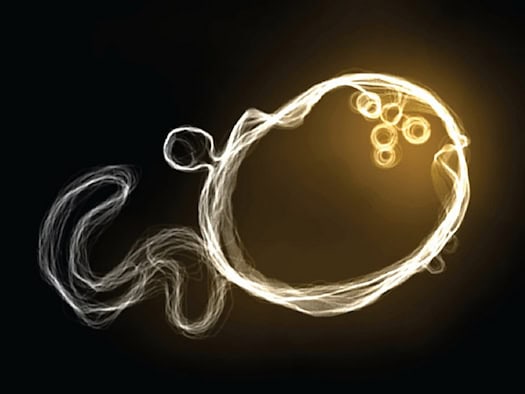
Each of our cells is surrounded by a membrane made of fats and proteins. How these fats behave within it has long remained a mystery. Researchers in Dresden have now developed a technique that could change this – and open the door to new insights into disease. | more
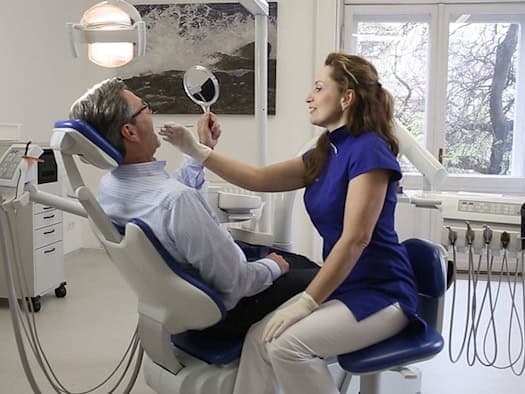
Zahnbehandlungen können in Deutschland schnell zur finanziellen Belastung werden. Besonders bei Implantaten, Kronen, Brücken oder umfangreichem Zahnersatz liegen die Kosten häufig im vierstelligen Bereich. Viele Patienten stehen dann vor einer schwierigen Entscheidung: Behandlung durchführen lassen und hohe Eigenanteile zahlen – oder den Eingriff aufschieben, obwohl er medizinisch sinnvoll wäre. | more
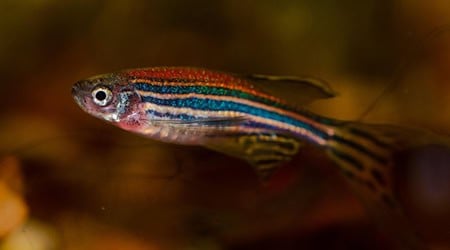
A flash of electricity in milliseconds, followed by a chemical wave and the tissue begins to grow. Researchers at TU Dresden and the Max Planck Institute have discovered how electrical signals control the healing of organs. A small fish provided the decisive insights. | more
Over two million people die of liver disease every year. Researchers at the Max Planck Institute in Dresden have now developed a three-dimensional liver model from real patient cells. The mini-liver can mimic important functions and should help to better understand diseases, test new drugs and develop personalized therapies. The study was published in Nature. | more