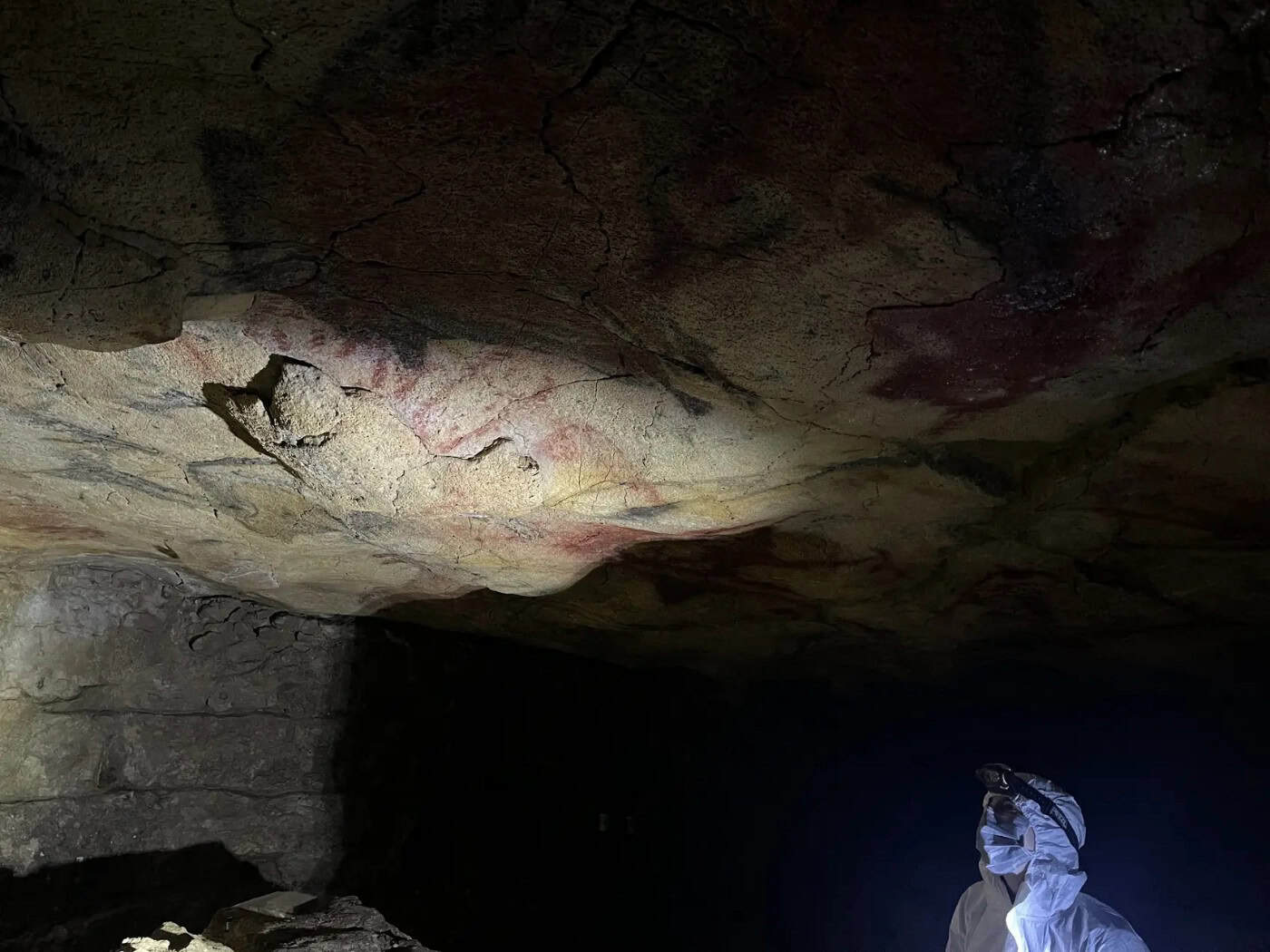
How did people in the Bronze Age react to difficult times? What did they eat, how did they bury their dead and where did they come from? A new study led by the Max Planck Institute for Evolutionary Anthropology in Leipzig provides answers for the first time. The study is based on ancient DNA and chemical traces from bones. | more
Old Saxon healing clay under a powerful X-ray beam and students from Freiberg are right in the middle of it. Master's students at the TU Bergakademie Freiberg are conducting research together with scientists at the Deutsches Elektronen-Synchrotron (DESY) in Hamburg. They want to find out what is in pressed clay plates from the 18th century - without damaging them. | more
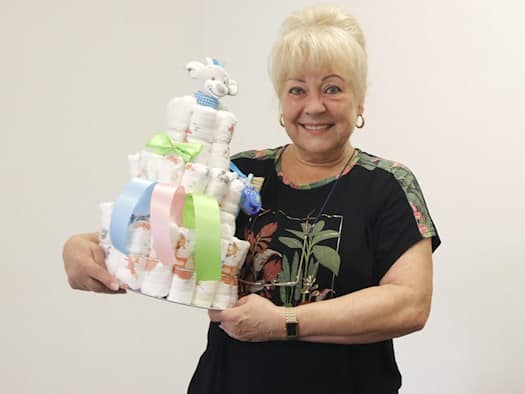
In Dresden-Pieschen fertigt Andrea Rehn im Zentralwerk personalisierte Geschenke für frischgebackene Eltern und deren Familien. Besonders gefragt sind bestickte Windeln mit Geburtsdaten sowie kreative Windeltorten – und das nicht nur online, sondern auch deutschlandweit über DM-Märkte. Jetzt gibt es 10 Prozent Rabatt im Shop. | more
A special kind of camera is being developed at the Fraunhofer IPMS in Dresden: it combines artificial intelligence with spectral analysis to detect the chemical properties of materials. The compact technology makes quality checks in factories, recycling plants and fields faster, more precise and more sustainable. From fresh food to single-origin plastic recycling - the development opens up numerous applications. | more
Analysis of Michael Kretschmer's interview: Recognizing and evaluating populist rhetoric based on specific characteristics. | more
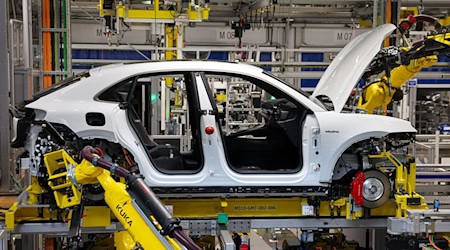
An analysis by Chemnitz-based automotive experts shows that tens of thousands of electric cars are sitting in stockpiles in Germany. Domestic demand is suffering from the abrupt end of the e-car subsidy. | more
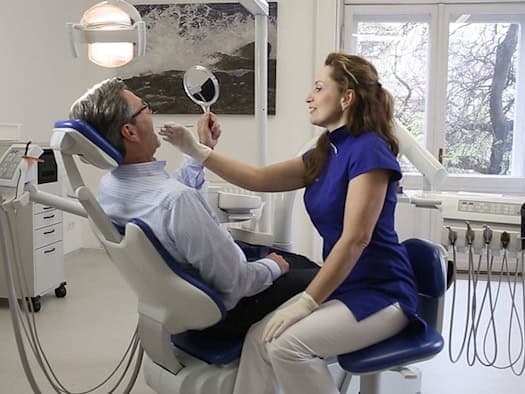
Zahnbehandlungen können in Deutschland schnell zur finanziellen Belastung werden. Besonders bei Implantaten, Kronen, Brücken oder umfangreichem Zahnersatz liegen die Kosten häufig im vierstelligen Bereich. Viele Patienten stehen dann vor einer schwierigen Entscheidung: Behandlung durchführen lassen und hohe Eigenanteile zahlen – oder den Eingriff aufschieben, obwohl er medizinisch sinnvoll wäre. | more