Logo Die Sachsen News
News / Salud

Tick season begins - TBE vaccination rate remains low

Tick season begins - TBE vaccination rate remains low
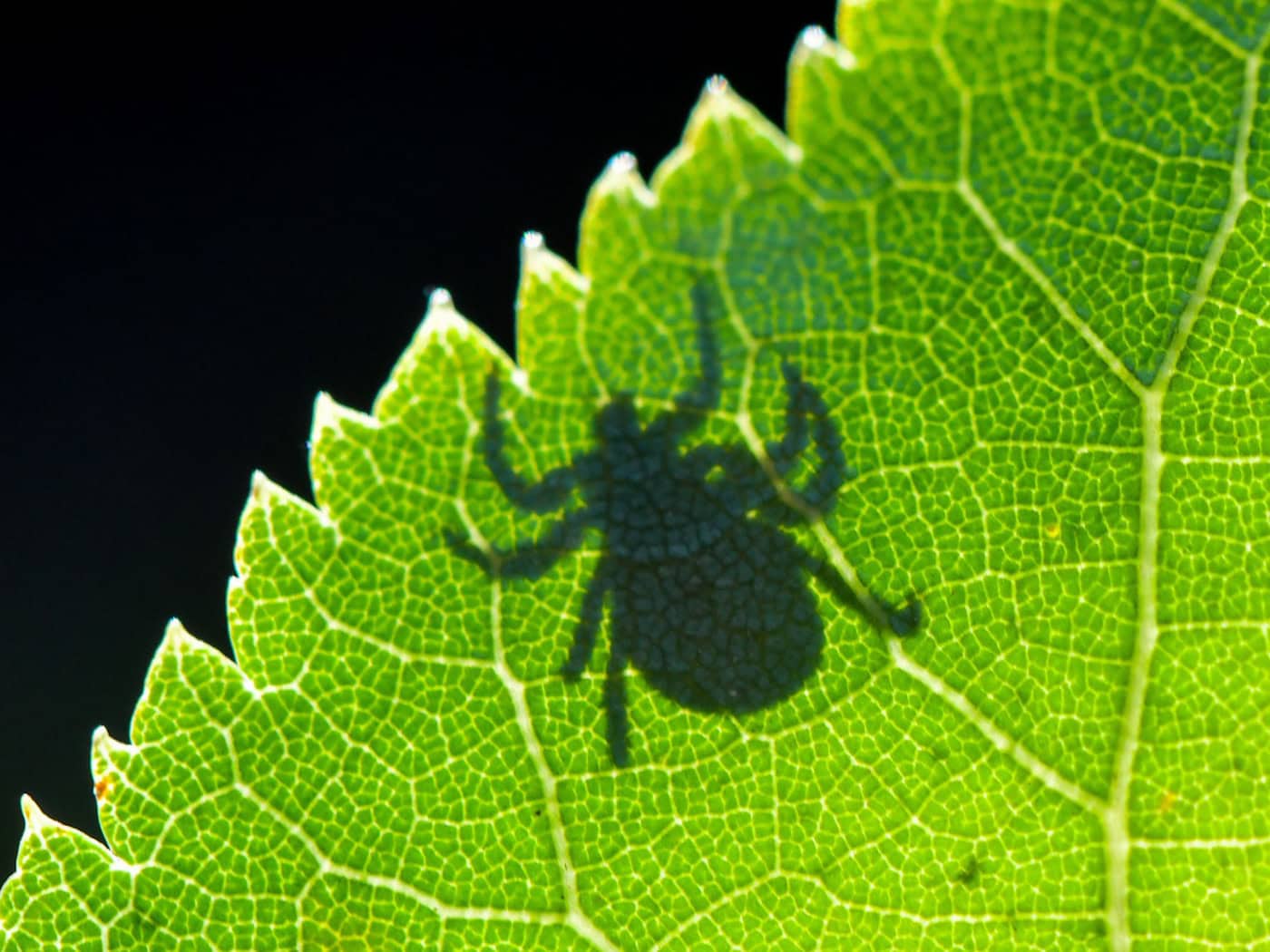
The first infections have already been reported in Saxony. (Archive image) / Photo: Patrick Pleul/dpa/dpa-tmn
From: DieSachsen News
Ticks become active again in spring: Why Social Affairs Minister Köpping advises TBE vaccination and why another region in Saxony is now considered a risk area.

The tick season has begun - and the first Lyme disease infections and TBE cases are already being reported in Saxony. According to the weekly epidemiological report from the State Investigation Institute, 160 Lyme disease infections were registered by the end of March. There were also four cases of tick-borne encephalitis (TBE).

Since this year, there has also been a new risk area in the state of North Saxony. What you need to know about ticks and the risk of infection and why the Minister of Social Affairs is calling for vaccination:

More from this category

When do ticks become active?

The tick season in Germany lasts roughly from March to September, depending on temperatures. According to the Robert Koch Institute (RKI), ticks are active from a temperature of around six degrees.

Why can tick bites be dangerous?

Both Lyme disease and TBE can be transmitted by ticks. Last year, the number of reported Lyme disease cases in Saxony skyrocketed - to around 2,600 from 1,600 the year before. According to the Ministry of Social Affairs, there were also 48 cases of TBE.

What are the symptoms of the infection?

Borreliosis can manifest itself with fatigue, loss of performance or fever, among other things. In addition, the skin often reddens in a circle around the site of the tick bite. If left untreated, an infection can lead to inflammation of the joints, heart muscle and nerves. TBE begins with flu-like symptoms, later on nervous system failures are also possible. There is a vaccination for TBE, while Lyme disease is treated with antibiotics.

Which regions are considered risk areas?

Of the 13 districts and independent cities, only the city and district of Leipzig are not classified as TBE risk areas. The RKI added North Saxony to this list just a few weeks ago. According to the Ministry of Social Affairs, regions in which people are at such a high risk of contracting the disease that vaccinations are recommended are declared risk areas.

How many people fall seriously ill with TBE?

The Ministry of Social Affairs describes the probability of contracting TBE as "relatively low". Approximately every 100th tick in risk areas carries the virus. Only 10 percent of tick bites result in an infection, which is asymptomatic in 70 to 95 percent of cases. However, around one percent of those infected die from the disease.

Minister Petra Köpping (SPD) is calling for vaccination. In 2024, only 19.5 percent of the Saxon population had sufficient protection through two vaccinations. Data for 2025 was not yet available.

Where can you get vaccinated?

If you want to get vaccinated, you can go to your family doctor. However, health authorities also offer TBE vaccinations at their vaccination centers.

Is the vaccination covered by health insurance?

"According to the vaccination guidelines, the statutory health insurance companies in Saxony cover the costs of TBE vaccinations if they are recommended by the Standing Vaccination Commission due to residence or stay in a TBE risk area," the Ministry of Social Affairs announced. Anyone living in the only two non-risk areas, i.e. the city and district of Leipzig, can ask their health insurance provider about the assumption of costs.

Copyright 2026, dpa (www.dpa.de). All rights reserved

The translations are automated with the help of AI. We look forward to your feedback and your help in improving our multilingual service. Write to us at: language@diesachsen.com.

Topics :

Sachsen News
Article from

Sachsen News

Sachsen News is responsible for the content itself. The platform's code of conduct applies. The platform checks and treats content in accordance with the legal requirements, in particular the NetzDG.

Social Media