


Old e-car engines become new raw materials
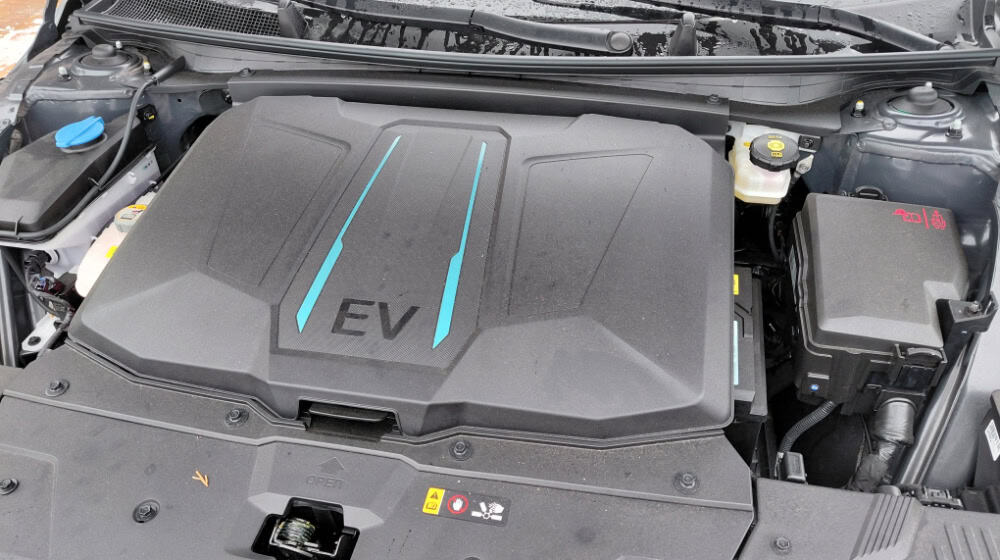
Electric motors are powering more and more cars. But what happens to them when they have had their day? They contain valuable materials such as rare earths, which have hardly been recycled to date. A new large-scale project aims to change this.
The ReDriveS research project, in which the TU Bergakademie Freiberg is also involved, was officially launched in mid-January. A total of 25 partners from industry, SMEs and science are working on automatically dismantling electric axle drives and recovering the raw materials. The Federal Ministry of Economics is funding the project with over 16 million euros. In total, ReDriveS has a volume of more than 25 million euros.
Robots learn to disassemble
Automated disassembly systems are at the heart of the project. In future, robots will take apart electric drives and sort the individual components. Magnets made from rare earths such as neodymium are particularly important. These materials are in short supply and their extraction places a heavy burden on the environment. These raw materials can be reused through recycling.
At TU Bergakademie Freiberg, the team led by Prof. Alexandros Charitos and Daniel Vogt at the Institute of Nonferrous Metallurgy and High-Purity Materials is developing new recycling processes for these rare earth magnets. The Freiberg researchers are working on processes to process the valuable materials and make them usable again.
Digital helpers for sustainable recycling
Another component of the project is digital twins. These are virtual images of the drives that contain all the important information about the design and materials. This digital data should be usable across all manufacturers. This means that the recycling plants know exactly how to dismantle different engines.
The project is helping to reduce dependence on raw material imports. At the same time, CO₂ emissions are reduced in the production of new electric cars. Schaeffler AG is coordinating ReDriveS. More than 80 project participants met at the company headquarters in Herzogenaurach to kick off the project. The project will run for 36 months. The results should help to meet future recycling quotas and make the electric mobility value chain more resilient.

