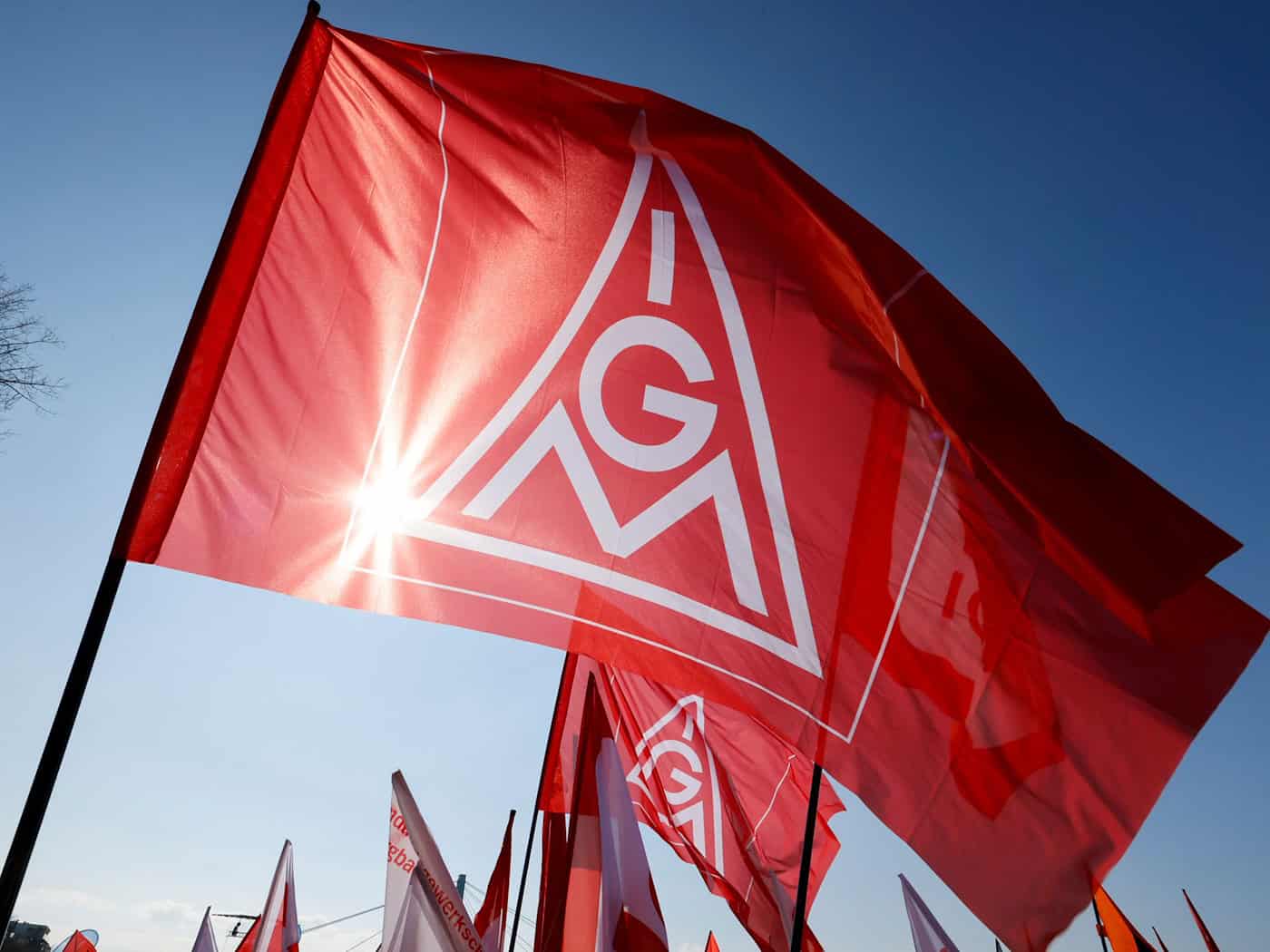
With protests in more than 200 locations across Germany, IG Metall plans to send a clear message on September 21 against job cuts and further measures affecting workers in the auto industry. Union leader Christiane Benner criticizes that, at present, employees in particular are bearing the brunt of the industry crisis. “We are currently witnessing an unprecedented attack on workers in the automotive industry.” The main issue at stake is the 35-hour workweek. “This has to stop.” That would mean employees would have to work five additional hours per week without pay, clarifies Jens Schäfer, chairman of the works council at ZF in Hanover. “That’s driving our colleagues up the wall.” He also warns that this would lead to further job losses. It’s time for a wake-up call to employers and policymakers, Benner explains. Workers have already made sacrifices amounting to several billion euros—for example, by forgoing pay raises and accepting cuts to collective bargaining agreements. And yet they are being told that this isn’t enough, while companies continue to pay out dividends and management faces no consequences for past mistakes. Under the slogan “A Future Instead of Cuts—Solidarity Is Our Strongest Asset,” IG Metall aims to bring more than 100,000 people onto the streets next Monday. Various actions are planned, such as internal company meetings, active lunch breaks, marches from different locations, and public rallies. This concerns both the situation at the major automakers and at suppliers. According to the information provided, there is a particular focus on the automaker Volkswagen and its locations in Zwickau, Emden, Hanover, and Neckarsulm, which are worried about their future, Benner emphasizes. “We will fight for the future of these four plants.” In Zwickau, for example, a large rally is planned for that day at the Hauptmarkt, where, according to IG Metall, thousands of people from companies in the region are expected to attend. Benner himself plans to be on site for demonstrations in Wolfsburg and Hanover. Among other things, the union is calling on companies to invest more heavily in German locations again. Specifically, Benner cites areas such as battery production, autonomous driving, and the modernization of production facilities. In addition, more high-volume models are needed to better utilize factory capacity. Meanwhile, policymakers must ensure competitive industrial electricity prices, adds IG Metall’s second vice chair, Jürgen Kerner. Furthermore, tariffs on Chinese electric cars must also be extended to plug-in hybrids. Copyright 2026, dpa (www.dpa.de). All rights reservedBenner: “It’s time for a wake-up call”
Calls for More Investment in German Locations