

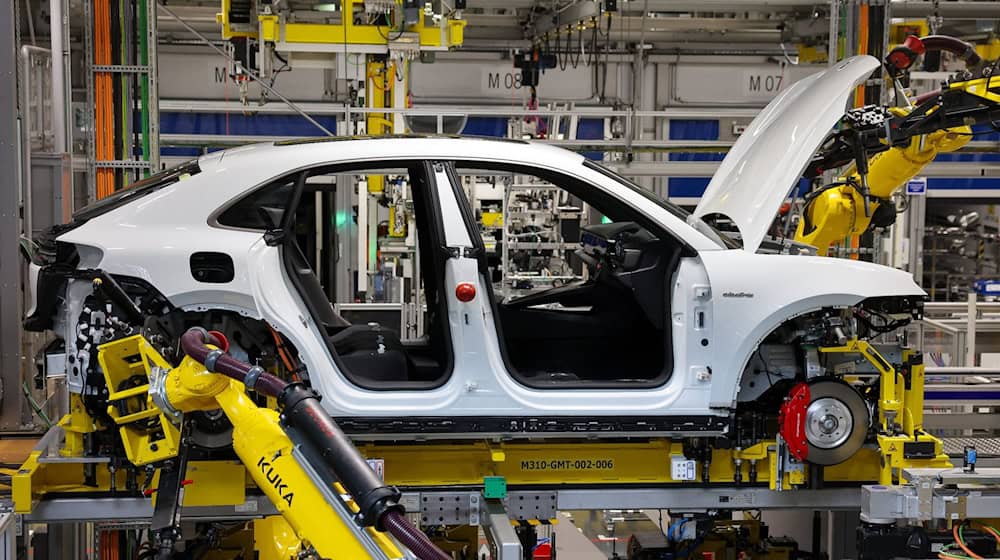
According to an analysis by car experts from Chemnitz, tens of thousands of electric cars are sitting in Germany. Last year, there was a record number of unsold vehicles, explained automotive researcher Werner Olle. He put the backlog at around 100,000, adding that many e-cars had not found their way to customers but were instead sitting in parking lots near factories, at dealerships or in ports. This applies to vehicles from German manufacturers as well as imports. The background to this is the abrupt end of the e-car subsidy, which has affected domestic demand. In May, the Federal Statistical Office reported that exports of e-cars had risen sharply last year. According to the report, 786,000 such vehicles worth 36 billion euros were exported. That was an increase of 58 percent. This means that every fourth new car sold abroad from Germany had a purely electric drive. "The export valve cannot heal all wounds," warned Olle. Production in stockpiles is expensive and can only be reduced with discounts. The figures show an extensive decoupling between production and domestic demand. This is also confirmed by a closer look at Saxony. Around one in four e-cars built in Germany were produced there in 2023. However, only 2.6 percent of all cars registered in the state were electric or at least hybrid-powered. Overall, there are major regional differences between eastern and western Germany. "Income is a decisive factor here." At the beginning of the year, the Chemnitz Automotive Institute (CATI) predicted further growth for Saxony with the manufacturers Volkswagen, BMW and Porsche. Vehicle production is set to rise by ten percent to 620,000 vehicles, including 320,000 fully electric vehicles. The expected growth in e-cars is therefore mainly due to new models from BMW and Porsche in Leipzig. Volkswagen, on the other hand, is struggling with sales problems at its e-car factory in Zwickau. Copyright 2024, dpa (www.dpa.de). All rights reserved


