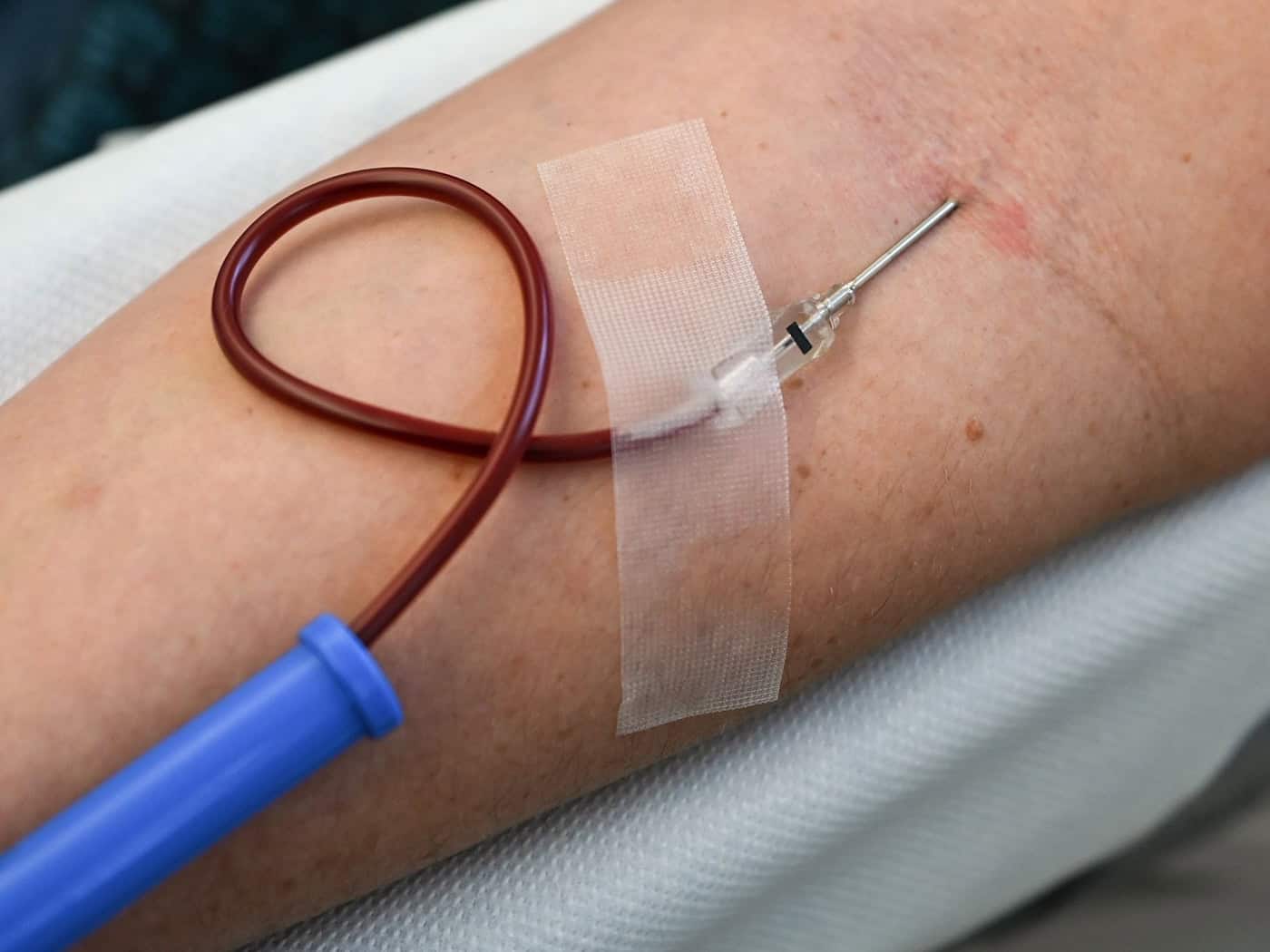
In light of the first wave of colds and the fall break, the German Red Cross Blood Donation Service has issued a call for blood donations. Reserves are currently declining noticeably, and the supply situation is tight, according to the German Red Cross (DRK) Blood Donation Service North-East, which serves the states of Berlin, Brandenburg, Saxony, Schleswig-Holstein, and Hamburg. A decline in the number of donations is also noticeable in Bavaria, North Rhine-Westphalia, Rhineland-Palatinate, and Saarland, according to the blood donation services in those regions. In some federal states, the fall break is currently underway or has already ended, while in others it is just beginning. To ensure a reliable supply, reserves of four to five days are necessary—in the Northeast, the current level is less than three days. At the Blood Donation Service West, reserves currently stand at just over four days, and hospitals are still well supplied. However, stocks could drop quickly, a spokesperson said. A spokesperson for the Bavarian Blood Donation Service emphasized that there is no nationwide shortage and no emergency regarding blood reserves. “But we must now take steps to prevent shortages.” In doing so, it is important to expand the donor base to avoid such situations in the future. “Especially when waves of colds and vacation periods lead to fewer people donating blood, it becomes clear how important a consistent willingness to donate is,” said Martin Oesterer, head of donor relations management at the DRK Blood Donation Service North-East. That is why they are urging healthy people to schedule an appointment to donate now. “Every single donation helps ensure the supply for patients.” Whether following accidents, during surgeries, or in the treatment of serious illnesses—blood is needed every day. However, the products derived from blood donations have only a limited shelf life, officials said. Platelets, for example, which are used in cancer treatment, among other things, have a shelf life of only four days. Anyone wishing to donate must be at least 18 years old and should book an appointment in advance. Before donating, you should eat and drink sufficiently and bring a form of identification. You must also be in good health. According to a spokesperson for the Bavarian Blood Donation Service, you can donate about one week after the symptoms of a cold or flu-like illness have subsided, provided you do not have a fever. Anyone who has had an infection with a fever, the flu, or has taken antibiotics should wait at least four weeks before donating blood. Copyright 2026, dpa (www.dpa.de). All rights reservedConsistent Willingness to Donate Is Important
Short Shelf Life